Cool Winter-Focused Oils and Parts + Expert Advice for Winter Equipment Prep
Key Highlights
- Choose the right winter fluids: Cold temperatures thicken engine oils, hydraulic fluids, and greases. Pick the correct products for cold temps.
- Stock up before temperatures drop: Keep essential filters, lubricants, hydraulic hoses, cutting edges, and replacement parts on hand.
- Make cold-weather inspections a priority: Check batteries, coolant, fuel systems, and filters. Allow adequate warmup time.

At this point, there’s really no excuse for being unprepared for winter. Over the past few months, Construction Equipment has delivered a steady stream of cold-weather maintenance advice from folks like Volvo CE, Takeuchi, Chevron, and beyond. We’ve covered everything from frozen tracks to cold starts, but we still got more. For this latest showcase installment, we’re digging deeper into the oils, lubricants, filters, and replacement parts that keep construction equipment running during the big chill.
We tapped experts from Hyundai, Caterpillar, CITGO, and Ignite Attachments for practical advice on preparing equipment for the cold. We’ve also rounded up a bunch of “cool” products designed to simplify winter maintenance. As they say: Winter is coming. So, your equipment should be ready. Here’s some advice and products to help you do that.
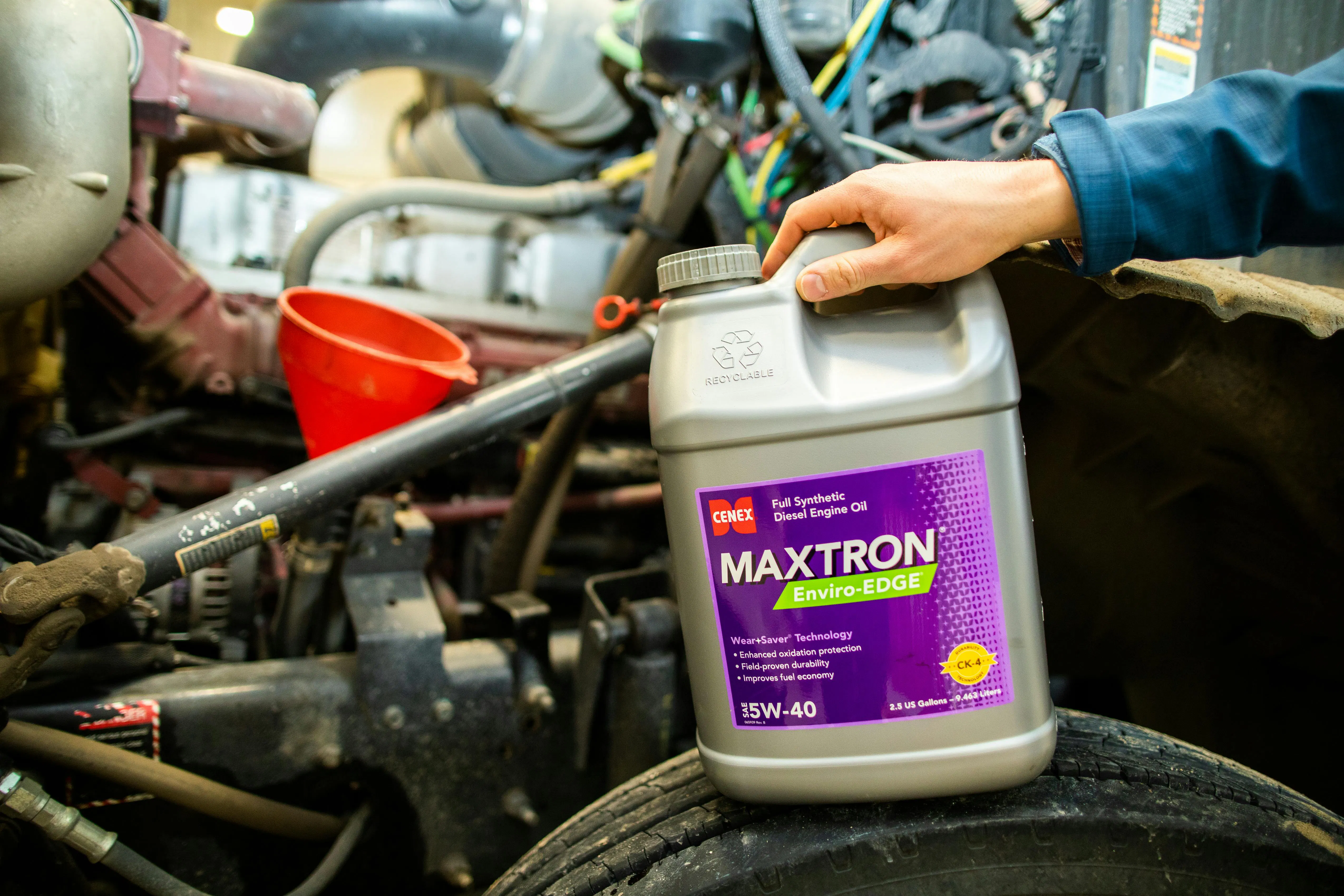
Cenex Maxtron Enviro-EDGE
When temperatures drop, your equipment still has work to do. Cenex Maxtron Enviro-EDGE synthetic diesel engine oil helps protect hardworking diesel engines, with cold-weather performance that supports oil flow at startup. Cold starts put lubricant performance in focus. Oil needs to circulate to help protect moving components against wear. Cenex evaluates its engine oils using ASTM D4684, a test that measures low-temperature pumpability, to assess their ability to flow in cold conditions. Protection matters beyond startup, too. Maxtron Enviro-EDGE offers soot and deposit control to help protect engines throughout the workday. Its soot-handling performance helps manage contaminants that can contribute to oil thickening and engine wear. For more info, visit Cenex's website.
Winter maintenance tips for oil, lube, and filters on heavy construction equipment
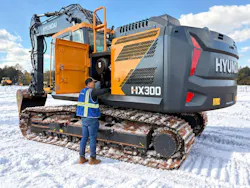
This section was written by Blake Berkbuegler, national parts manager. HD Construction Equipment Hyundai North America.
Follow these winter weather tips and work with your dealer’s service team to ensure your fleet’s maximum productivity and uptime during the cold weather months. Cold temperatures thicken fluids, increase wear during cold starts, and raise the risk of restricted flow or filter clogging. Focus on these areas to protect engines, hydraulics, and undercarriage components.
Use manufacturer-specified winter-grade engine and hydraulic oils with lower cold-cranking viscosity (often multi-grade synthetics). Cold oil contracts and can show falsely low readings when warm, so check levels daily when equipment is cold, and top off as needed. Because contaminants and moisture accelerate wear in freezing conditions, it’s best to change oil and the oil filter before the season if the service interval is approaching. When outdoor temperatures are low, allow ample warmup time so oil reaches operating temperature and circulates fully before heavy operation.
Cold weather stiffens standard greases, reducing penetration, which makes it important to select OEM-approved grease rated for the expected temperature range and apply it to pins, bushings, tracks, and boom joints, according to the specified lubrication intervals, adjusting maintenance frequency when operating conditions warrant it. Wipe fittings clean before greasing to avoid introducing dirt or ice engage components after application to distribute lubricant.
Replace fuel, engine-oil, hydraulic and air filters at the manufacturer’s specified intervals — or sooner — when inspection, restriction indicators, or operating conditions warrant. Drain fuel-water separators according to OEM guidelines, inspecting them more frequently when conditions warrant. Use fuel specified for the expected temperatures and follow the manufacturer’s recommendations for preventing fuel gelling and filter plugging. Inspect air-intake components for ice, snow, debris, and restricted airflow. Blockages can reduce engine power, impair combustion, and increase emissions. Because a clogged filter in extreme cold can cause rapid pressure drops or bypass activation, it’s important to keep spare filters on hand.
When possible, store equipment under cover, on level ground, and follow the OEM’s cold-weather checklist. Consistent attention to oil viscosity, timely lubrication, and clean filters reduces cold-start damage and keeps machines productive through winter. Always consult specific equipment manuals for exact grades and intervals.
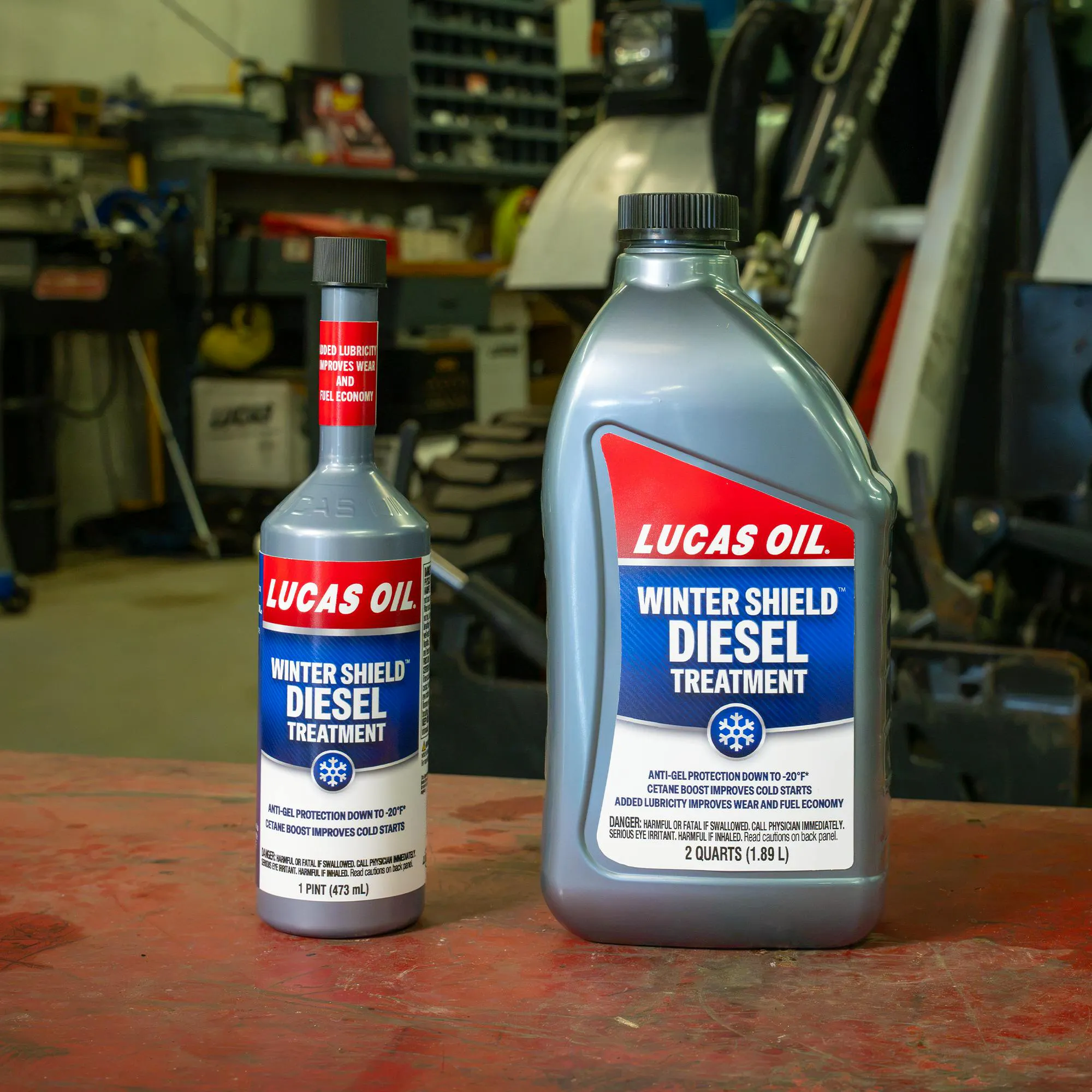
Lucas Oil Winter Shield Diesel Treatment and Cold Temperature Hydraulic Fluid
Cold weather can create problems for both diesel fuel and hydraulic systems. Lucas Oil is addressing both with its Winter Shield Diesel Treatment and new Cold Temperature Hydraulic Fluid. Formerly called Anti-Gel Cold Weather Diesel Treatment, Winter Shield helps prevent fuel thickening and gelling at temperatures down to -20°F, depending on fuel type and application conditions. A cetane booster supports cold starts, while water dispersants and added lubricity help protect diesel fuel systems. The treatment works with diesel and biodiesel fuels. For hydraulic equipment operating in extreme cold, Lucas Oil has introduced Cold Temperature Hydraulic Fluid. Rated to -50°F, the zinc-free synthetic formula contains antifreeze additives designed for snowplows and other winter equipment. It helps protect hydraulic components against corrosion and wear while resisting oxidation and shear. The fluid also reduces hydraulic hesitation in low temperatures. Operators can install it by draining the existing fluid, refilling the system to the recommended volume, and purging trapped air. For more info, visit Lucas Oil’s website.
Building a winter maintenance parts inventory
This section was written by Darin Gronwold, product manager for Ignite Attachments.
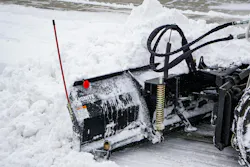
Winter weather doesn’t put construction projects on hold. From moving materials to clearing job sites and managing snow, compact equipment operators have plenty to tackle when temperatures drop. The last thing they need is a machine sitting idle while they wait for a replacement part. A little planning can go a long way toward keeping operations moving.
Start by taking stock of your fleet. Review service records and manufacturer-recommended maintenance intervals to identify upcoming needs. Are any machines due for an oil change or other routine maintenance? Were there components that needed frequent attention last winter? Stocking commonly used items like engine oil, hydraulic fluid, and grease helps crews stay ahead of predictable service requirements.
Cold temperatures and demanding applications can also take a toll on equipment. Cutting edges, skid shoes, hydraulic hoses, and fittings should be inspected regularly, especially on machines operating in snow, ice, or abrasive conditions. Keeping frequently replaced parts on hand allows operators to address issues before they turn into costly repairs.
But there’s more to building an effective inventory than filling shelves. Finding the right replacement part shouldn’t require hours of research or multiple calls to a dealership. Some manufacturers offer online product support pages with clearly labeled parts diagrams and exploded views, allowing operators to identify specific components and order them directly with just a click. These resources can be especially valuable for mixed fleets, where compatibility and part identification can become complicated.
Winter brings enough challenges without unexpected maintenance delays. A proactive approach to parts planning, combined with convenient access to replacement components, helps operators minimize downtime and keep projects on schedule.
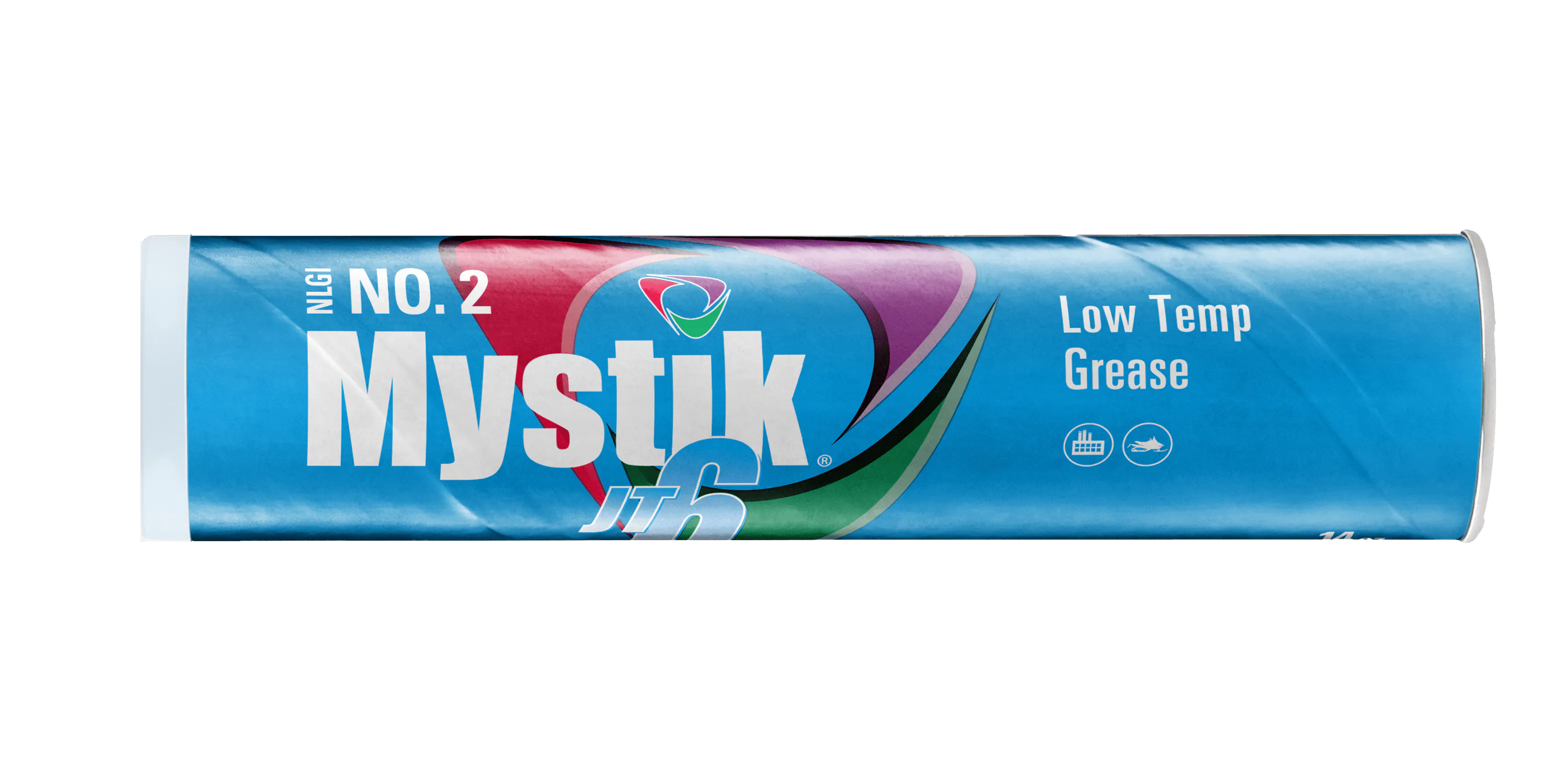
Mystik JT-6 Low Temp SynBlend #2 Grease
Cold weather can make grease stiffen, making it harder to reach critical wear surfaces on construction equipment. Mystik JT-6 Low Temp SynBlend #2 Grease is designed to maintain pumpability and lubrication performance in cold and below-freezing conditions, helping equipment stay protected when winter temperatures challenge conventional lubrication. Low-temperature grease performance is particularly important for components exposed to the elements, including undercarriage pivot points, pins, bushings, and bearings. Snow, ice, and repeated warm-to-cold temperature cycles can also introduce moisture, making suitable grease selection an important part of seasonal maintenance. Mystik JT-6 Low Temp SynBlend #2 Grease helps maintain lubrication while resisting moisture associated with winter conditions. For best results, follow the equipment manufacturer’s recommended greasing quantities and service intervals. Over-greasing can be as problematic as under-greasing, making consistent maintenance essential to protecting components and minimizing winter downtime. For more info, visit CITGO’s website.
Winter oil strategies: protect equipment before the first freeze

This section was written by CITGO.
Cold weather changes how engine and hydraulic oils behave, affecting equipment protection, responsiveness, and reliability. As temperatures fall, oil viscosity increases. Engine oil can take longer to reach critical components during startup, while thicker hydraulic fluid can contribute to sluggish operation, pump cavitation, and added stress on pumps, hoses, and connections.
Winter preparation should begin about a month before the anticipated first freeze. That gives maintenance teams time to review fluid condition, check oil analysis results, and confirm that lubricants meet the equipment manufacturer’s requirements.
Start with the correct viscosity. Follow the manufacturer’s specified oil grade rather than changing fluids based on temperature alone. For engine oil, the winter viscosity rating is particularly important because it indicates how the oil performs during cold starts. Synthetic and synthetic-blend oils can offer advantages in low-temperature startup performance but keep the correct specification in mind.
Pay attention to hydraulic systems. Cold hydraulic oil can respond slowly and place additional demands on system components. Fluids with a higher viscosity index are less affected by temperature changes, helping maintain more consistent viscosity across operating conditions. Before putting a machine under load, start at low idle and allow it to warm up. Slowly cycle hydraulic functions, including extending and retracting cylinders, several times before beginning full operation.
Check for contamination and wear. Water can enter hydraulic reservoirs through condensation as equipment cycles between warm and cold conditions. Ensure tanks are dry, filters are in good condition, and lines are free of cracks or leaks.
The goal is to prepare before temperatures plunge, not troubleshoot after a machine stops. Proactive fluid checks, appropriate lubricant selection, and controlled warm-up procedures can help reduce unnecessary stress, downtime, and winter maintenance costs.
Ditch Witch Uptime Kits
From directional drills to trenchers and other underground construction equipment, keeping machines running reliably requires consistent upkeep, particularly as colder temperatures bring new challenges to the jobsite. Ditch Witch Orange Armor Uptime Kits simplify preventive maintenance by bringing essential OEM replacement parts together in one convenient package. Each kit contains air, fuel, oil and hydraulic filters, spark plugs, or other replacement parts specified for the machine’s scheduled maintenance. Larger kits also include select wear parts and come packaged in reusable, lockable storage trunks to keep components organized and accessible. For contractors, having these parts readily available helps simplify service planning and reduce time spent sourcing individual components. As winter conditions place greater demands on equipment, staying ahead of routine upkeep can help minimize unexpected interruptions and maintain productivity. Ditch Witch Uptime Kits help crews stay prepared, protect equipment performance, and keep machines ready for the next job. For more info, visit Ditch Witch’s website.

Winter equipment readiness starts before the temperatures drop
This section was written by Caterpillar.
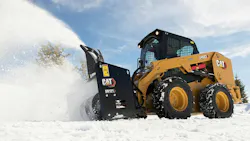
Cold weather can challenge more than an engine’s ability to start. Fuel, coolant, lubricants, filters, and starting systems can all be affected as temperatures fall, making preseason preparation important for dependable winter operation. Start with the machine’s expected operating conditions. Review fluid and lubricant requirements for anticipated temperatures, verify coolant freeze protection, inspect fuel and filtration systems, and check batteries and starting components before colder weather arrives. Operating environment matters, too. Severe, dusty or wet conditions may call for more frequent lubrication or filter changes than standard maintenance intervals.
Five cold-weather checks
- Review fluids and lubricants: Check the machine’s operation and maintenance manual for fluid and lubricant requirements appropriate for anticipated temperatures. Confirm that the lubricants meet the ambient temperature range where the machine will be operating. Lubricants can have a narrow or wide ambient temperature operating range. Each product should be reviewed to confirm it meets the specifications needed.
- Check batteries and starting components: Inspect the battery, cables, and connections for damage, corrosion, or other concerns. Check starting aids such as glow plugs and air inlet heaters, where equipped, before colder conditions increase demands on the starting system.
- Verify coolant protection: Test coolant freeze protection and confirm the coolant meets the machine manufacturer’s requirements. Inspect hoses, clamps, and the cooling system for visible leaks or damage that should be addressed before winter operation.
- Inspect fuel and filtration systems: Review fuel requirements and the condition of air, fuel, engine oil, and hydraulic filters. Replacing filters when required before winter can help reduce the chance that existing restrictions or contamination will complicate cold-weather operation.
- Consider the operating environment: Maintenance intervals are not always one-size-fits-all. Severe, dusty, or wet conditions may require more frequent lubrication or filter service, so consider the application, environment, storage conditions, and expected winter workload when planning maintenance.
Ignite Attachments parts
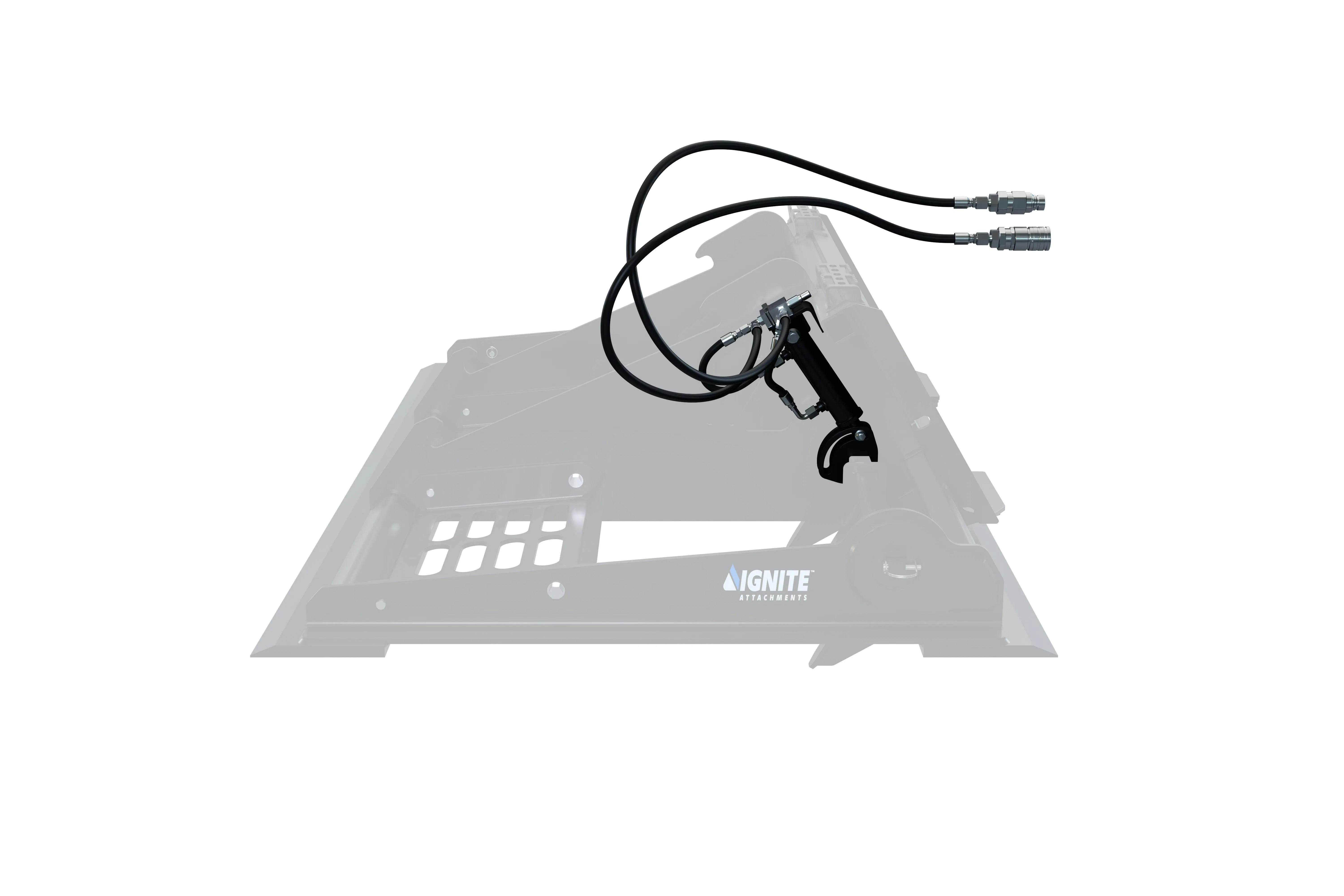
When winter weather hits, keeping compact equipment running starts with proper maintenance and dependable replacement parts. Ignite Attachments makes it easier for operators to prepare for the season with an expanded lineup of parts and maintenance essentials delivered directly to their door. From everyday necessities like oil and lubricants to replacement cutting edges, flat-free skid steer tires, and hydraulic kits, Ignite offers convenient access to products that help operators maintain equipment and minimize downtime. Whether servicing a skid steer, compact track loader, or compact tractor, customers can find what they need in one place. With transparent pricing, convenient online ordering, and fast, direct-to-customer shipping, Ignite takes the hassle out of sourcing parts. No unnecessary trips to the dealership or complicated purchasing processes. Just dependable products that help operators get back to work. The right parts. The right price. Right now. For more info, visit Ignite Attachments’ website.
About the Author
Keith Gribbins
Keith Gribbins is the head of content at Construction Equipment, where he leads editorial strategy across print, digital, video, and social channels. An award-winning journalist with more than 20 years of experience, Keith has won 17 national and regional editorial awards and is known for his hands-on reporting style, regularly visiting manufacturers, operating equipment, and covering major industry events worldwide.