Frozen Tracks, Dead Batteries, Gelled Fuel: How to Avoid Winter Downtime
Key Highlights
- Prepare before freezing temperatures arrive. ❄️ Check cold-weather fluids, batteries, fuel systems, and scheduled maintenance before the cold.
- Keep the undercarriage clean. Packed snow, ice, and mud can freeze overnight, damaging rollers, tracks, seals, and other components.
- Warm machines up properly. Let the engine idle before gradually increasing RPM. Check out more tips below.
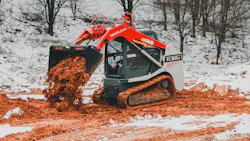
Machine maintenance in the field is already hard work. During wintertime, it becomes an absolute grind. So, it’s best to keep those common, preventable repairs to a minimum in winter. Because you don’t want to deal with a cold, grumpy field tech. Frozen tracks, a dead battery, gelled fuel — you’ll get that look that says — hey, these are problems that should have been avoided.
Those are headaches you don’t need, and avoiding that type of brain freeze is exactly what this Q&A series is all about. Construction Equipment has been talking with equipment and fluid experts this fall about preparing machines for winter. In the first installment, Volvo Construction Equipment shared its cold-weather maintenance advice. We followed that with CITGO Lubricants, which took a closer look at how low temperatures affect engine oils, hydraulic fluids, coolants, and other machine fluids. For our latest Q&A, we turn to Takeuchi-US and Joseph Huling, national service and training manager. Huling covers an awful lot here. He details when fleets should begin winterizing, what operators should inspect each day, and how to properly warm up equipment. There’s no advice here on angry mechanics. You’re on your own there.
First off, Joseph, thanks so much for taking the time to talk today. We are big fans of the Tak brand, so we’re excited to hear your insights into cold-weather maintenance. To start us off, when should contractors begin thinking about winterizing their fleets?
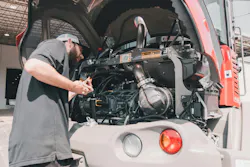
Contractors should begin preparing their equipment before freezing temperatures become the norm rather than waiting for the first major weather event. That timeframe will change depending on where they live and when cold weather usually arrives. Generally speaking, a little preventative maintenance in the fall can help avoid costly downtime during the busiest winter months.
Start by making sure your machines are using the proper engine oil, coolant, and diesel fuel for the anticipated temperatures over the next few months. The operator's manual will specify the recommended engine oil viscosity for cold-weather operation. Check the coolant mixture to ensure it provides adequate freeze protection and use No. 1 diesel fuel or a winter blend to help prevent fuel gelling in extreme cold. It's also a good time to verify that scheduled maintenance is current and inspect the hydraulic oil, as its actual condition is just as important as maintaining the proper level.
What should be included in a daily winter walkaround inspection?
A daily winter inspection should begin with the basics: check all fluid levels, inspect the hydraulic oil for discoloration or contamination, and drain water from the fuel/water separator. During the winter months, water in the fuel system can freeze or gel, causing the engine to stall or starve for fuel, potentially leading to expensive repairs. Operators should also inspect the undercarriage and remove any snow, ice, or debris that has accumulated around the tracks, rollers, and carriers. Finally, make sure the radiator is clean and free of debris so the cooling system can maintain proper airflow, even during cold weather.
What undercarriage issues become more common during winter?
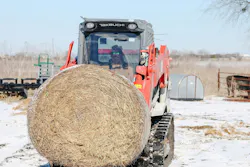
Snow, ice, and mud left in the undercarriage can freeze overnight, preventing rollers and carriers from rotating properly the next morning. In some cases, rollers can even develop flat spots if they're unable to turn. Tracks may also freeze to the ground if the machine is parked on wet or muddy surfaces. Cleaning the undercarriage after each use is one of the simplest and most effective ways to reduce unnecessary wear and prevent downtime. Operators should also clean exposed cylinder rods before parking the machine, since frozen debris can damage cylinder wiper seals when the machine is put back into service. Parking on a dry surface whenever possible also helps reduce freeze-related issues.
How can operators prevent frozen doors, latches, and cab seals?
If you must leave your machine outdoors overnight in freezing conditions, it’s a good idea to apply silicone spray or rubber conditioner to door seals and use graphite lubricant in keyholes and latches. A single thorough application will last for weeks or even months under normal winter conditions. During your daily walkaround, visually inspect the seals every week or two during cold weather to make sure the barrier remains intact. If you pressure wash your machine, it’s a good idea to reapply the silicone spray or rubber conditioner afterward. Keyholes and mechanical latches may need a quick shot of graphite spray more frequently.
What battery inspections should contractors perform before winter? Should fleets routinely load-test batteries before the season starts?

Cold temperatures put additional demands on a machine’s starting system, so it’s important to make sure batteries are in good condition before winter arrives. Contractors should inspect batteries for corrosion, check that connections are clean and tight and make sure cables and terminals are in good condition. Any signs of damage, corrosion, or weak connections should be addressed before temperatures drop.
For fleets operating in consistently cold climates, testing batteries before winter can help identify weak batteries before they become a source of unexpected downtime. A battery that performs adequately in warmer months may struggle when temperatures fall and the engine requires more power to start. It’s also a good idea to replace any batteries that may be close to ending their useful life to avoid unexpected equipment downtime.
Besides batteries, what electrical components commonly fail in cold weather?
Cold weather can expose weaknesses in a machine’s electrical system, particularly connections, wiring harnesses, and starting components. Moisture and corrosion can create issues with electrical connections, while cold temperatures put additional demands on the starting system. Before winter arrives, inspect electrical connections, and make sure they are clean and secure. Beyond electrical components, fuel and hydraulic systems also deserve attention. Water in the fuel system can freeze and restrict fuel flow, while cold hydraulic oil takes longer to reach operating temperature and can put additional stress on components if the machine is worked too aggressively before warming up.
What’s the biggest misconception operators have about warming up equipment?
One of the biggest misconceptions is that operators should immediately increase engine RPM after startup to warm the machine more quickly. That can actually increase wear because oil hasn't had sufficient time to circulate to critical engine components. Instead, allow the engine to idle for approximately five minutes before gradually increasing engine speed. This gives the oil time to reach operating temperature and properly lubricate the engine. Operators should also ease into hydraulic functions rather than immediately putting the machine under a heavy load. Likewise, avoid using ether or starting fluid to help start the machine. If starting becomes difficult, a block heater is a much better solution and can help reduce engine wear during cold starts.
What operating habits help reduce wear during cold weather?
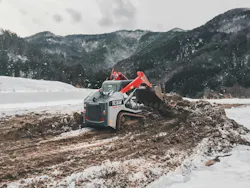
Using the proper cold-weather fluids, allowing the engine to warm up gradually, and keeping the machine clean all contribute to longer equipment life. Operators should avoid sudden increases in engine speed after startup and should work the hydraulics gently until the system reaches operating temperature. Cleaning the undercarriage at the end of each workday is equally important. Removing packed snow, mud, and debris will help prevent frozen rollers, tracks, and cylinder components that can lead to unnecessary wear or damage the next day. Simple preventative maintenance performed consistently throughout the winter can significantly reduce downtime and repair costs.
What other habits should be avoided during cold weather operation?
After following proper warm-up procedures, operators should avoid excessive low RPM idle time as this will help prevent premature clogging of the diesel particulate filter [DPF] if equipped. Allowing a DPF-equipped machine to idle for extended periods increases the soot load as exhaust particulate matter is captured by the filter. The filter is doing its job at that point, but the system will not generate enough heat at low RPM and low workloads to burn off the soot that is created during operation. Once the machine has reached operating temperature, operation at high idle will allow the exhaust aftertreatment system to work as designed, helping prevent DPF clogging and frequent regeneration requests due to high soot load.
What’s the best way to store construction equipment that won’t be used for several weeks?
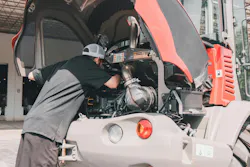
If equipment is stored for an extended period, the goal is to ensure it's ready to go back to work when needed. Store the machine in a dry, dust-free environment whenever possible. If indoor storage isn't available, park the machine on wooden planks, cover it with a tarp, and avoid direct sunlight, which can create temperature fluctuations that lead to condensation and corrosion. Before storage, drain water from the fuel tank and fuel/water separator, fill the tank with fresh fuel, verify coolant condition, lubricate all grease points, and retract hydraulic cylinders as much as possible to protect the cylinder rods. If any rods remain exposed, apply a rust inhibitor or grease. Disconnect the battery's negative terminal, and if temperatures will drop below freezing, remove the battery and store it in a warmer location.
Should machines be started periodically during extended winter storage?
If hydraulic cylinders cannot be fully retracted or protected with rust inhibitors, it's good practice to start the machine approximately every 30 days and cycle the hydraulics. This coats the exposed cylinder rods with hydraulic oil and helps protect them from corrosion and pitting during storage.
Which inexpensive winter maintenance steps deliver the biggest return on investment? Which of your products or technologies have made the biggest difference in winter uptime over the last five years?
Some of the most effective winter maintenance practices are also the simplest. Taking a few minutes each day to inspect the machine, drain water from the fuel/water separator, check fluid levels, and remove snow, ice, and debris from the undercarriage can prevent costly downtime and repairs. Using the correct fluids for the expected operating conditions is also critical. Ensuring the engine oil viscosity, coolant mixture, and diesel fuel are appropriate for cold-weather operation helps protect key components and allows the machine to perform reliably in challenging conditions. Proper warm-up procedures are equally important, as allowing the engine and hydraulic systems to reach operating temperature before putting the machine under load helps reduce unnecessary wear.
Technology has also played an important role in helping contractors take a more proactive approach to maintenance. Telematics systems like our Takeuchi Fleet Management (TFM) give owners and fleet managers greater visibility into machine health, operating conditions, service intervals and performance data, helping them identify potential issues before they result in unexpected downtime. During winter operation, this type of insight can help contractors better monitor equipment performance and keep machines working when they are needed most.
Looking ahead, what innovations will make cold-weather operation easier for construction fleets?
Future innovations will continue to focus on helping contractors improve uptime, efficiency, and equipment management in all operating conditions. Technologies such as telematics and fleet management systems will play an increasingly important role by giving owners and fleet managers greater visibility into machine health, operating conditions, service needs, and potential issues before they result in downtime.
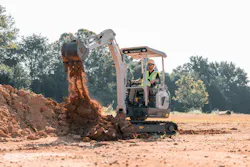
Electrification will also continue to shape the future of compact equipment. Electric machines, such as Takeuchi’s TB20e compact excavator, provide contractors with new options for applications where reduced emissions, lower noise levels, and operation in environmentally sensitive areas are priorities. As battery technology continues to advance, electric equipment will become another tool contractors can use to match the right machine to the jobsite.
Ultimately, the goal is to give contractors equipment that is easier to manage, more efficient to operate, and capable of delivering reliable performance throughout the year — regardless of the conditions.
About the Author
Keith Gribbins
Keith Gribbins is the head of content at Construction Equipment, where he leads editorial strategy across print, digital, video, and social channels. An award-winning journalist with more than 20 years of experience, Keith has won 17 national and regional editorial awards and is known for his hands-on reporting style, regularly visiting manufacturers, operating equipment, and covering major industry events worldwide.
Related
 A giant fuel wave cover with an ice filter and frame.