Winter Fluids 101: Oil, Diesel, Grease, Hydraulics, and DEF
Key Highlights
-
Get ahead of the first freeze. ❄️ Fleets should start winter prep weeks before sustained cold arrives.
-
Cold changes how fluids behave. Engine oil thickens, grease stiffens, diesel can gel, and hydraulic systems can become sluggish.
-
Water is a winter enemy. 💧 Condensation and contamination can create problems in diesel and hydraulic systems.

We just wrote about the Fluids Czar, which is a dedicated fleet professional responsible for managing all the fluids that keep construction equipment running. This is an especially important job in winter. Machine fluids change when temperatures drop — oil thickens, grease stiffens, diesel can gel, and water contamination becomes a bigger headache. So, it begs a lot of questions, right? When should fleets switch to winter-blended diesel? Does hydraulic oil need extra attention? Which grease works best in freezing conditions?
To get some of these answers, we spoke with Jamie Morford, senior account manager for the Upper Midwest at CITGO Lubricants. Morford digs into diesel fuel, engine oil, grease, hydraulic fluids, filters, DEF, and the maintenance practices that can help keep equipment productive through winter. This Q&A is part of our fall series on cold-weather equipment operation and maintenance. Be sure to check out our previous conversation with Volvo Construction Equipment, and check back throughout the fall for more winter equipment advice. Now go below for the full monty.
CE: First off, Jamie, thanks so much for taking the time to talk today. We are big fans of the CITGO Lubricants brand, so we’re excited to hear your insights into cold-weather maintenance. To start us off, when should contractors begin thinking about winterizing their fleets?
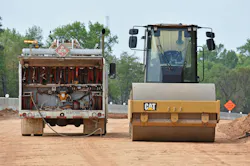
Morford: It really depends on your area and, of course, what Mother Nature decides to do. Some years in Minnesota we have seen folks moving dirt into late November and haven’t seen a freeze. Other years it is much sooner that the cold takes over. You really need to begin this process a month or better before the anticipated first freeze. More than likely, it has already begun to get cooler so being ahead of the game won’t hurt. A few things to make sure you are checking is your coolant to ensure you are at the correct temperature range. Make sure batteries and block heaters are in good working order. Look to replace them to ensure you have good cold crank ability. Watch for cold snaps and look to make changes to fuel accordingly.
How does cold weather affect engine oil performance? Should contractors switch to different oil viscosities for winter operation?
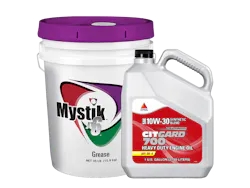
The first and most obvious is that the cold will increase an oil’s viscosity, causing an increase in time for the oil to reach critical components like the top end valve train, journal bearings, etc. When you look at engine oil and cold weather, two things stick out — pour point and Viscosity Index [VI]. We want to make sure that no matter what is being used we are protecting the engine at operating temperatures so using the recommended X-W30 or X-W40 is best, but cold-weather start is represented in that first number. Synthetics and synthetic blends, like in our CITGARD 1000 and 700 product lines, will offer very good protection at startup giving you a higher pour point and VI index ensuring you have maximum protection during the most critical time.
How does cold weather affect grease performance in pins, bushings, bearings, and swing systems? Are there specific grease formulations better suited for snow, freezing rain, or prolonged cold?

Cold temperatures can cause grease to stiffen significantly, making it harder to reach critical wear surfaces. In these unfriendly grease conditions, we recommend greases like the Mystik JT-6 Low Temp SynBlend #2 Grease or the Mystik JT-6 Synthetic 460 Greases. These greases maintain their pumpability and lubrication performance during cold or below freezing weather while helping resist moisture from snow, ice, and warm/cold cycles.
Which machine components benefit most from fresh lubrication before winter? How can contractors avoid over greasing or under greasing during cold weather?
Honestly all of them should get some TLC before the weather turns cold. Most contractors find ways to get the major components like engine oil and hydraulics at least checked with oil analysis before it turns cold, which is great but anything that will be continuously exposed to the elements for sure needs attention. Things like any undercarriage pivot points, pins and bushings, low level bearings. When it comes to greasing it is best to stick with the manufacturer's recommended quantity at the recommended frequency. Over greasing is just as bad as under greasing.
What causes diesel fuel to gel, and how can contractors prevent it?
Gelling occurs when the wax in your fuel begins to crystallize, restricting flow. This usually happens at the fuel filter or in tighter, exposed areas of the fuel line. Fuel is one of the biggest operational costs that contractors have and not being able to run because of it can be very frustrating. My suggestion is to talk to your fuel supplier and come up with a game plan on when to switch to winter-blended fuels, and if it dips down really cold what are the things they can do to help keep you moving. To help this, contractors should also be checking for water in their fuel and get that removed in the fall. Using approved and the right amount of anti-gelling agents and keeping tanks full as best they can will help prevent any issues during the cold months.
When should winter-blended diesel fuel replace summer fuel?
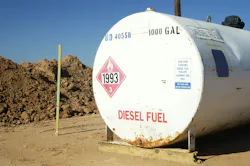
Again, make sure you have a conversation with your fuel supplier, so everyone is in agreement on what that looks like. I would say right when the weatherman says, “We are in for our first cold snap of the year coming up later this week.” I would be ahead of that first big cold snap and when it starts to get below freezing every night.
Are aftermarket fuel additives still necessary when purchasing winter diesel?
Most contractors will carry on hand some form of anti-gel to ensure they don’t have issues with gelling in the cold. Winter fuel alone should be sufficient, but just in case, it’s OK to use an additive to help with cold weather flow. Just make sure you are following the OE recommendations and discussing it with your fuel supplier. Remember, more is not better.
How should contractors store diesel fuel during winter? How can fleets reduce condensation and water contamination in fuel tanks?
I think the biggest thing you should do to reduce the potential for water contamination is to have your tanks tested twice per year — once just before winter and once again as it gets into the dog days of summer. It can be very hard to pinpoint where water can get in so it’s best to test and attempt to eliminate the issue before it becomes one. Check to see if it is something your fuel supplier offers. You can DIY it, or finding companies that will do this can significantly reduce condensation buildup in your tanks. The other thing is to keep tanks as full as you can which will reduce the condensation that can form from the morning thaw of a warm winter morning sun.
What roles do fuel-water separators play during cold weather?
If equipped, they can be vital in ensuring you stay running as they separate any water in the tank from good clean fuel before it can get to the injectors. Remember, they are also part of daily maintenance, as they must be drained to ensure you don’t end up in the same situation as before.
What winter issues are you seeing with DEF systems?
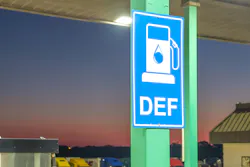
Well, DEF freezes at 12°F. While it is lower than water, it still has a lot of challenges when in cold climates. Once it crystalizes it cannot be brought back to solution, so it is critical to keep DEF from freezing. Couple ways to do this is to make sure it is stored properly. If that is in a heated building or in a heated tank outside, you must make sure it does not crystalize. Most vehicles have DEF heaters, but allowing equipment adequate time to warm up and avoiding short stops are key to helping the systems reach operating temperature.
Which filters deserve extra attention before winter begins?
Honestly, all of them but you want to make sure these ones for sure get looked at. We have already discussed fuel filters, so we know their importance. Hydraulic systems can have the same issues when it comes to water so ensure tanks are dry and filters are in good working order or you will see issues in equipment performance. Others like air filters that become dirty or have frozen condensation in them can create a sluggish engine and unnecessary downtime in the field.
How often should contractors inspect or replace fuel filters during cold-weather operation? What signs indicate a fuel filter is beginning to plug because of wax or contamination?
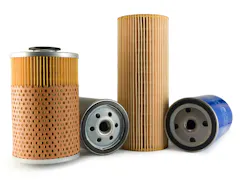
We already touched on this before, but fuel filters are usually the first components to gel, so “spinning filters” when it’s cold is a common occurrence. As discussed above there are ways to help mitigate the concern but it is not 100 percent going to fix the issues. Keeping plenty of them on hand is best, but now we are adding carrying cost to filters just in case. It’s a double-edged sword on either holding excess filters or downtime due to filters gelling. Most folks know the warning signs of potential fuel plugging issues, things like loss of power or the engine staggers, hard or no starting, or it simply just feels like the equipment isn’t getting enough fuel.
Do hydraulic filters become more important during winter because of thicker fluids?
For sure they are. Hydraulic oil is a power-transmitting fluid and as such can get warm. Hydraulic tanks often hold three to five times the amount that the pump needs because the tank itself helps to cool the oil as it returns. So, when you add cold and warmth you get condensation which can put water in your tank creating the need for filters to catch water and other contaminants. The hydraulic filter is a very important part to keep your systems running at peak performance.
How does cold weather affect hydraulic oil and machine performance? Are there hydraulic fluids designed specifically for cold climates?

Like any other lubricant, cold temperatures will affect how well a piece of equipment performs. Hydraulic oil is no different. With decreased temps, we get increased viscosity and with that comes sluggish response times, pump cavitation due to air pockets, and a lot of unnecessary pressure on the pumps, hoses, and connections. We recommend higher VI fluids like the CITGO HyDurance AW All Temp Fluids, CITGO HyDurance AW Synthetic Fluids, or the CITGO A/W Hydraulic Oil Super MV. All of these products have much higher VIs than your regular AW hydraulic oils. When using a product with a higher VI you are increasing a fluid’s resistance to change viscosity grades as temperatures increase or decrease. Simply put, it helps an ISO 46 will stay an ISO 46 longer in colder weather versus a hydraulic oil with a lesser VI. Your pumps, hoses, and connectors will thank you.
What’s the proper way to warm up hydraulic systems before putting a machine under load?

Just like when you get out of bed, you have to warm up first before you just get into it. Same goes for equipment, especially in colder weather climates. So here is probably the most universal way to warm up the piece of equipment without putting undue stress on it right away. Obviously, let’s get it started and running at a low idle. Once it gets warm, start to cycle all the hydraulic components and extend/retract the cylinders slowly. Once cycled through a few times, the hydraulic oil should be up to operating temperature. Now, it is finally time to get into full operation.
If a contractor only has one day to prepare an entire fleet for winter, what are the highest-priority maintenance tasks?
That’s a tough one, but I would start with the big three that could cause you the most issues right away — batteries, fuel, and hydraulic systems. Making sure those three things are ready are the first things that you should consider checking or getting winter-ready when an unexpected cold snap is coming. These three can be where most of a contractor’s winter issues start. After that I would check block heaters, filters, and get equipment in for lube servicing.
Which inexpensive winter maintenance steps deliver the biggest return on investment? Which products or technologies have made the biggest difference in winter uptime over the last five years?
From what was said above, the big three are what cause most issues in cold weather. Ensure your fuel tanks are clean and have no water. Test your batteries and make sure they are in very good working order and if not replace them. Ensuring that your hydraulic system is also free of water and everything is in good working order. Checking lines for cracks or leaks will also eliminate some downtime in the field.
As far as technology is concerned, we have seen the advancements in the use of telematics to help in the construction field. Block heaters not just for engines but for hydraulic systems. The technology in lubricants alone is light years from where it was just 10 years ago. Things like extended drains, which were looked at as only for on-road fleet companies or synthetics that will last longer than traditional mineral oils. The understanding of oil analysis and how it can help not just increase drain intervals but keep equipment running, reducing downtime. Batteries are getting more robust than they were just a few years ago. Filtering systems are tied into fleet software to keep contaminant levels to a minimum. All of these are meant to increase uptime, which increases revenue. When you are not moving, you are not making money.
Looking ahead, what innovations will make cold-weather operation easier for construction fleets?
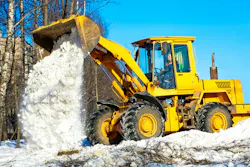
So as technology gets better and we look at the direct relationship to that and cold weather, the biggest focus will be preventing failures and increasing uptime. Catching a problem before it shows as a problem and keeps the equipment moving. I think the biggest innovation is probably going to be the use of AI. I think about how AI can help with predictive maintenance and understanding how weather patterns can affect how equipment runs in the field or even how it can help telematics understand frost depth and how that affects yards moved per hour. Battery technology is only getting better. How will that change the way we work in the cold?
About the Author
Keith Gribbins
Keith Gribbins is the head of content at Construction Equipment, where he leads editorial strategy across print, digital, video, and social channels. An award-winning journalist with more than 20 years of experience, Keith has won 17 national and regional editorial awards and is known for his hands-on reporting style, regularly visiting manufacturers, operating equipment, and covering major industry events worldwide.