How to Prepare Construction Equipment for Winter Work or Cold-Weather Storage
Key Highlights
- Winter prep starts before the freeze. Batteries, fluids, fuel systems, hydraulics, and electrical connections all need attention before temperatures drop.
- Wasser ist der feind! Water can freeze fuel systems, corrode electrical connections, and turn mud packed around an undercarriage into cement.
- How are you warming up? Maybe skip the marathon idle session. Follow the manufacturer’s warmup procedure, work the machine gently, and give both the engine and hydraulics time to heat up.

Fleet managers have two big questions heading into winter: What machines are working out in the cold, and which ones are going into hibernation? Both groups need attention, and you need to start thinking about it right now in September. Working machines need cold-weather fluids, healthy batteries, clean undercarriages, and smarter operating routines. Stored equipment needs protection from moisture, corrosion, and months of inactivity. With fall on the horizon, let’s get all those machines sorted right now.
“In my experience, if you wait for the first hard freeze warning on the weather report, you’re already behind,” says Garland Morrison, technical service manager for Volvo Construction Equipment. “Fleet winterization is a process that should start in mid-to-late autumn depending on your region. In northern states, I recommend starting prep in late September or October; further south, November might be fine. Before temperatures consistently dip below 32°F, every contractor needs to focus on fluid management and chemistry.”
First, dig into your operator and service manuals for specific cold-weather requirements. Then, I’d pay particular attention to your fluids — engine oil, hydraulic fluid, coolant, diesel fuel, wiper fluid. The correct oil for July is probably not the correct oil for January. We are creating a whole separate winter article for fluids and filters, so in this piece, we’ll stick more to machine inspection, maintenance, and best operational practices.
Let’s start with winter storage
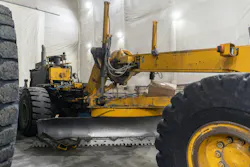
Some machines will work all winter. Others are headed for seasonal retirement. For the latter, indoor storage is preferred for their wintry dormancy.
“If indoor storage isn’t available, park the machine on wooden planks, cover it with a tarp, and avoid direct sunlight, which can create temperature fluctuations that lead to condensation and corrosion,” suggests Joseph Huling, national service and training manager at Takeuchi-US. “Before storage, drain water from the fuel tank and fuel/water separator, fill the tank with fresh fuel, verify coolant condition, lubricate all grease points, and retract hydraulic cylinders as much as possible to protect the cylinder rods. If any rods remain exposed, apply a rust inhibitor or grease. Disconnect the battery’s negative terminal, and if temperatures will drop below freezing, remove the battery and store it in a warmer location.”
Here are some other good tips we gathered from all the sources in this story.
- Clean the machine. Remove mud, concrete, road salt, snow, and other material that can trap moisture or accelerate corrosion.
- Check tires and tracks. Inflate tires to the recommended pressure and inspect them for damage. For tracked machines, clean the undercarriage thoroughly and follow the manufacturer’s storage recommendations for track tension.
- Service it. Complete scheduled maintenance that will come due during storage or shortly after recommissioning.
- Protect the fuel system. Drain accumulated water and follow manufacturer recommendations for fuel level and storage.
- Verify coolant protection. Make sure coolant concentration matches expected low temperatures.
- Grease the machine. Lubricate specified bearings, joints, chains, and grease points.
- Drain water systems. Compactors, pavers, and other machines with spray or washdown systems can suffer freeze damage.
- Manage the batteries. Use battery disconnects or remove and store batteries when recommended.
- Protect electronics. Close covers and keep moisture away from consoles, controls, and connections.
- Choose the parking spot carefully. A dry, protected storage area beats a muddy corner of the yard.
- Protect bare metal. Touch up damaged paint and protect exposed or unpainted metal surfaces from corrosion.
- Seal up the cab. Close windows, doors, vents, and access panels to keep out moisture, rodents, and debris.
- Protect attachments, too. Clean, grease, inspect, and properly store buckets, breakers, couplers, hoses, and other attachments. Cap or plug disconnected hydraulic lines and couplers.
- Document the shutdown. Record the machine’s hours, maintenance performed, battery status, fuel condition, and anything that will need attention when the machine returns to service.
“Definitely follow the recommendations for long-term storage in the maintenance manual for the equipment,” suggests Rod Schneider, director of training at GOMACO Corp. “Close all console covers. Apply lubrication to bearings after cleanup and prior to storage. Apply a graphite chain lubricant to all chains as recommended in the maintenance manual. Apply a graphite lubricant to unpainted surfaces to prevent rust during storage. Follow the engine manufacturer’s recommendations for DEF long-term storage.”
For active machines: Create a winter preventive maintenance checklist
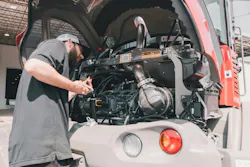
Let’s talk about machines that work all winter. For these cold-weather workers, regular walk-arounds matter more in the winter. Moisture, snow, ice, salt, and all those repeated freeze-thaw cycles create problems that operators do not encounter during the summer.
“Good cold-weather operation starts with making sure the machine is properly maintained and configured for the conditions,” explains David Lombardo, chief engineer at JLG. “Operators should use the engine and hydraulic oils specified by the manufacturer for the ambient temperature. Electrical systems and batteries deserve attention. On diesel-powered equipment equipped with glow plugs, contractors should also verify that the system is set up properly according to the manufacturer’s instructions. The goal is to address maintenance concerns before consistently cold weather arrives rather than waiting until low temperatures expose a weak battery, electrical connection, or other issue.”
A good winter equipment inspection might include:
- Check engine oil, hydraulic oil, coolant, and fuel.
- Drain the fuel/water separator as recommended.
- Inspect hydraulic hoses, couplers, fittings, and seals for leaks or damage.
- Look at exposed cylinder rods for ice, salt, rust, or debris.
- Inspect battery terminals, cables, and connections.
- Check electrical plugs and connectors for moisture and corrosion.
- Inspect belts for cracking, damage, and proper tension.
- Remove snow, ice, and mud from the undercarriage.
- Clear snow and ice from steps, ladders, handholds, and walkways.
- Inspect cab seals, doors, latches, switches, and control boots.
- Keep the radiator and cooling package clear of debris.
“If you must leave your machine outdoors overnight in freezing conditions, it’s a good idea to apply silicone spray or rubber conditioner to door seals and use graphite lubricant in keyholes and latches,” says Huling. “A single thorough application will last for weeks or even months under normal winter conditions. During your daily walkaround, visually inspect the seals every week or two during cold weather to make sure the barrier remains intact. If you pressure wash your machine, it’s a good idea to reapply the silicone spray or rubber conditioner afterward. Keyholes and mechanical latches may need a quick shot of graphite spray more frequently.”
Don’t forget about DEF
Diesel exhaust fluid adds another wrinkle to winter operation. DEF freezes at approximately 12 degrees Fahrenheit, but modern SCR systems are designed with freezing in mind. Machine heating systems can thaw DEF after startup, but fleet managers should also understand how their particular machine manages frozen DEF.
Batteries deserve extra attention
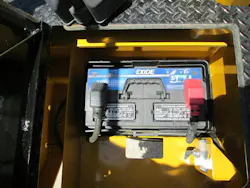
Cold weather and batteries are old enemies. Fleet managers should inspect batteries in the fall, paying attention to cables, terminals, corrosion, and connections.
“A machine’s battery can be up to 50 percent weaker in an extremely cold environment,” explains Morrison. “Fleet managers should use a battery tester to check voltage, verify overall condition, and watch for any performance signals before cold weather sets in. Be sure to keep batteries and terminals clean.”
There are also different kinds of batteries. Some kinds might need extra attention, such as on lift and access equipment.
“For lead-acid batteries, water levels should also be checked and topped off when necessary using distilled or deionized water rather than tap water,” says Lombardo. “Aged or weakened batteries should be addressed because battery performance naturally declines with age, and those weaknesses may become more noticeable in colder temperatures. For battery-powered MEWPs, keeping batteries fully charged is especially important. When possible, charging overnight and charging the machine indoors or in a warmer environment can help batteries begin the workday warm and fully charged.”
Cold weather puts increased demand on batteries but also starters, relays, and electrical systems. Lombardo also notes de-icing salts used on winter jobsites can seep into wiring harnesses and connections, causing corrosion that triggers electrical fault codes. Preheating technologies such as block heaters can help reduce cold-start strain by warming up components.
“Also make sure covers are closed over the consoles to prevent water or snow from accumulating on electronic devices,” suggests Schneider. “This will help to prevent failure due to freeze-thaw and moisture entering devices.”
Water is a big winter troublemaker
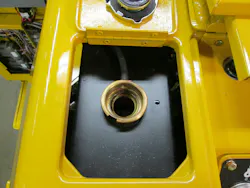
Winter means paying extra attention to H2O. Moisture in a fuel system can freeze and restrict fuel flow. Moisture inside an electrical connection can start corrosion. Water in an undercarriage turns mud into concrete overnight.
“A daily winter inspection should begin with the basics: check all fluid levels, inspect the hydraulic oil for discoloration or contamination, and drain water from the fuel/water separator,” says Huling. “During the winter months, water in the fuel system can freeze or gel, causing the engine to stall or starve for fuel, potentially leading to expensive repairs.”
Fleet managers should also think beyond the machine itself. Fuel storage, service trucks, portable fuel containers, and bulk tanks need moisture-control routines. Things like: Keep containers sealed, inspect caps and vents, check tanks for accumulated water, drain water separators regularly, and keep melting snow away from fuel openings. Winter is a battle against condensation!
Don’t let the undercarriage freeze into a sculpture

We just talked about freezing water, but tracked equipment needs special attention at the end of a winter shift. Excavators, dozers, compact track loaders, and even those awesome forestry feller bunchers can collect mud, snow, and ice around tracks, rollers, carriers, and frames. Leave that mess overnight, and freezing temperatures will cement everything together.
“If an operator tries to force the machine to move with frozen tracks the next morning, that frozen mud can easily damage the tracks, pins, and rollers,” says Morrison. “My rule of thumb is to clean out track frames, undercarriages, and drivelines at the end of every shift while the material is still soft. Afterwards, park the machine on timber mats or clean rock rather than standing water or deep mud so the tracks don’t freeze directly to the ground overnight.”
Engine, idling, and aftertreatment
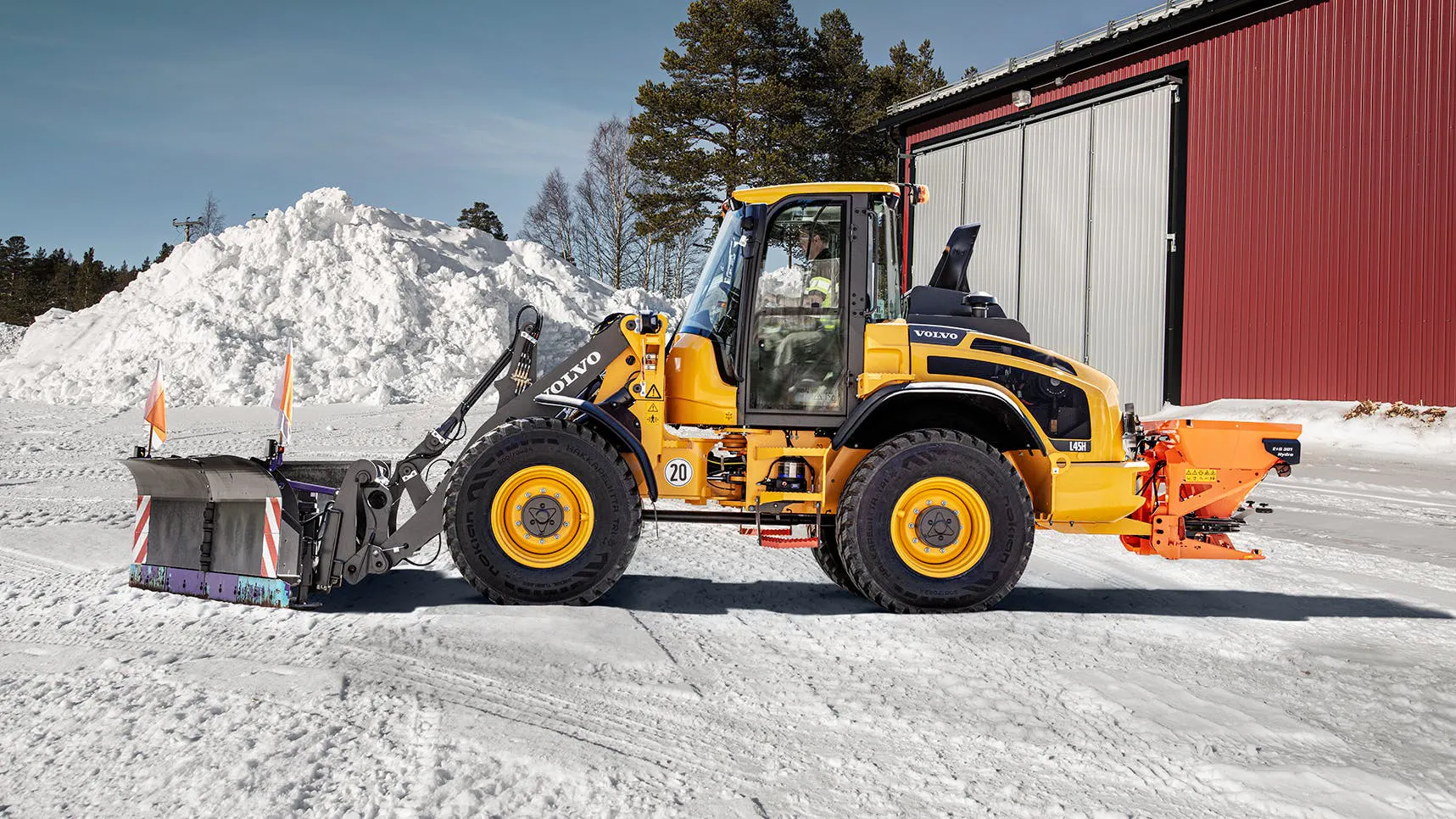
Like you and me, diesel engines don’t particularly enjoy cold mornings. Low temperatures thicken engine oil, reduce battery performance, and make starting more difficult. Diesel fuel brings another concern. In extreme cold, wax crystals can form in the fuel and eventually restrict flow through filters and fuel lines. That’s why fleets operating in colder climates may need No. 1 diesel or a winter-blended fuel appropriate for chilly temps. Cold starts also demand some operator patience, which is not always in a surplus.
“One of the biggest misconceptions I hear in the field is that idling a diesel engine at low rpm for 15 or 20 minutes is the best way to warm it up, but that actually does more harm than good,” says Morrison. “When a diesel engine idles excessively in cold weather, it doesn’t generate enough heat to reach optimal operating temperature. This causes incomplete combustion, leading to carbon buildup on injectors, turbos, and in the exhaust system. It leads to fuel dilution in the engine oil, which reduces lubrication and causes cylinder wall wash. It leads to unnecessary hours on the machine counter, hurting resale value and wasting fuel. The right approach is to allow the engine to idle just long enough for oil pressure to stabilize and fluids to circulate — typically three to five minutes. Then start working the machine under light load. Operating the machine gently builds heat in the engine, transmission, and hydraulics far faster and cleaner than excessive idling ever will.”
Operators should also avoid excessive low-rpm idle time to prevent premature clogging of the diesel particulate filter (DPF).
“Allowing a DPF-equipped machine to idle for extended periods increases the soot load as exhaust particulate matter is captured by the filter,” says Huling. “The filter is doing its job at that point, but the system will not generate enough heat at low rpm and low workloads to burn off the soot that is created during operation. Once the machine has reached operating temperature, operation at high idle will allow the exhaust aftertreatment system to work as designed, helping prevent DPF clogging and frequent regeneration requests due to high soot load.”
Follow the manufacturer’s specific warmup procedure because requirements vary by machine and ambient temperature.
Operational tips: Take it easy for the first few minutes

A warm engine does not necessarily mean warm hydraulics. Pressurized hydraulic oil makes the machine move, and cold hydraulic oil moves differently. Forcing a machine immediately into heavy digging, lifting, or high-speed travel can increase stress, and we’re all too stressed already. Operators should begin with patience and lighter loads.
“Allowing an engine to properly warmup will reduce lubrication issues,” says Schneider. “Typical warmup times can vary, but GOMACO typically recommends a minimum of 10 to 15 minutes in severe cold conditions. After warmup, operate the hydraulic systems slowly for 10 to 15 minutes to circulate the hydraulic oil.”
Avoid using ether or starting fluid to help start the machine. “If starting becomes difficult, a block heater is a much better solution and can help reduce engine wear during cold starts,” notes Huling.
Beware of winter ground. Frozen ruts can hit an undercarriage like speed bumps. Snow can conceal ice, curbs, debris, and yesterday’s trench. Slow down until you understand the surface conditions. Also…
“Don’t just kill the engine right after heavy working,” says Morrison. “Give the engine 90 to 120 seconds of idle time at the end of the shift so the turbocharger can cool down properly before shutoff. Some newer machines, Volvo included, come with an auto engine shutdown feature that automatically turns the machine off after a set period of time.”
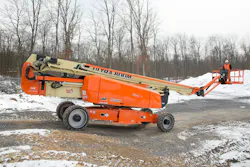
What about battery-powered equipment like MEWPs (mobile elevated work platforms)?
According to JLG, operators can help maintain machine performance through proactive charging. Extremely cold temperatures will cause greater voltage drops in lead-acid batteries.
“Keeping batteries as highly charged as possible helps maintain voltage within the optimal operating range,” says Lombardo. “Opportunity charging — plugging the machine in whenever practical — can be useful in cold environments. Overnight charging is also beneficial because it allows the machine to begin the next workday with a full charge while also warming the batteries during the charging process.”
Cold-weather packages
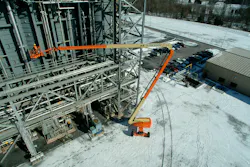
Some of the best winter tech is just applied heat. Heated seats. Heated mirrors. Block heaters remain one of the most useful cold-weather tools for diesel equipment. Battery warmers. Hydraulic oil heaters. Fuel heaters. There’s even auxiliary cab heaters that can warm up the machine before the operator climbs aboard. Depending on the machine, OEM cold-weather packages can take the theme further.
“For particularly demanding conditions, JLG also offers optional cold-weather packages for certain equipment,” says Lombardo. “JLG MEWPs are designed for operation in nominal ambient temperatures from 0°F to 104°F. Cold-weather kits can help control the temperature of key operating components in more severe conditions. These kits can include battery, hydraulic tank, and engine breather heaters designed to help address hard starts, slow hydraulic performance, and engine malfunctions.”
Cold-weather options vary significantly by manufacturer and model, so fleet managers should investigate them when spec’ing machines for cold markets. Also consider how your telematics services play into all this winter weather prep.
“In terms of technology, fleet telematics systems like Volvo ActiveCare Direct make the biggest difference in winter uptime,” explains Morrison. “Telematics allows dealers and fleet managers to catch subtle fault codes and machine health alerts proactively, giving technicians a chance to fix potential cold-weather issues before they turn into costly downtime.”
4 cold-weather trouble spots to check daily
This was written by Garland Morrison, technical service manager at Volvo Construction Equipment.
Hydraulic hoses and fittings: Freezing temperatures cause the rubber in hydraulic hoses to become brittle and lose flexibility. During your walk-around, visually inspect every hose for cracks, surface splitting, or signs of leakage around the couplings before putting the machine under load.
Hydraulic cylinder rods: Snow, ice, and road salt brine kick up onto exposed chrome rods. If salt brine sits on chrome, it pits and rusts fast. Make it a habit to inspect rods and, whenever possible, park machines with hydraulic cylinders fully retracted to keep the chrome protected.
Belts and seals: Check fan and alternator belts for proper tension and surface cracking. Stiff, frozen belts subjected to the sudden drag of a cold alternator and fan on startup are far more prone to slipping or snapping. Also inspect door and window weatherstripping for tears. Damaged seals let moisture seep in, which freezes cab doors shut overnight and lets drafty air in during operations.
Top off fluids and fuel: Fill fuel tanks above 70 percent with winter-blend diesel to minimize air space where condensation can form and verify that coolant freeze protection matches your lowest local temperatures. However, because DEF expands as it freezes, leave space in the DEF tank rather than filling it completely to avoid damage.
About the Author
Keith Gribbins
Keith Gribbins is the head of content at Construction Equipment, where he leads editorial strategy across print, digital, video, and social channels. An award-winning journalist with more than 20 years of experience, Keith has won 17 national and regional editorial awards and is known for his hands-on reporting style, regularly visiting manufacturers, operating equipment, and covering major industry events worldwide.