Cold Weather vs. Construction Equipment: A Winter Maintenance Q&A
Key Highlights
- Prep before the freeze. 🥶 Check fluids, coolant, DEF, batteries, hoses, and fuel systems before temperatures consistently fall below freezing.
- Don’t overdo the warmup. Idle for about three to five minutes, then gently work the machine to bring the engine and hydraulics up to temperature.
- A little winter maintenance prevents big downtime. Clean undercarriages, drain water separators, and stay ahead of small problems before they sideline a machine.
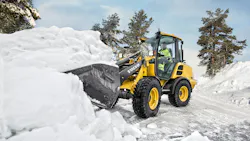
Cold weather has a way of breaking things — batteries, filters, hoses, bucket teeth, and eventually the human components trying to keep a fleet of equipment running. To mitigate the damage, we need to prepare.
Winter brings a new set of maintenance challenges, and now is the time to start thinking about cold weather construction equipment operation or hibernation. So, we asked Garland Morrison, technical service manager at Volvo Construction Equipment, to share some advice on keeping machines productive through the chilly season.
In our Q&A below, he covers just about everything — when to start winterizing, what to inspect during daily walkarounds, how long equipment should warm up, and why excessive idling can actually do more harm than good. Descend and enjoy the magic.
First off, Garland, thanks so much for taking the time to talk today. We are big fans of the Volvo Construction Equipment brand, so we’re excited to hear your insights into cold-weather maintenance. To start us off, when should contractors begin thinking about winterizing their fleets?
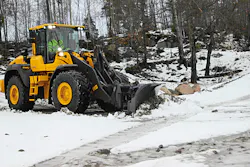
In my experience, if you wait for the first hard freeze warning on the weather report, you’re already behind. Fleet winterization is a process that should start in mid-to-late autumn depending on your region. In northern states, I recommend starting prep in late September or October; further south, November might be fine. Before temperatures consistently dip below 32°F, every contractor needs to focus on fluid management and chemistry. First, switch to winter/arctic-grade engine oils and hydraulic fluids appropriate for your expected operating temperatures. Second, check coolant concentrations — at -13°F, you need a 40% coolant mix, but if you’re hitting -31°F, you’ll want a 50% concentration.
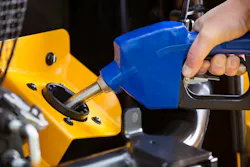
One thing a lot of contractors forget about before winter is to not overlook the Diesel Exhaust Fluid (DEF). DEF starts to freeze around 12°F (-11°C). Because DEF expands as it freezes, you should avoid topping off tanks completely if machines will sit outside overnight or for extended periods of time. Leave headroom in the tank so frozen DEF doesn’t crack the reservoir or damage internal components. Don’t refill the DEF tank until the morning, after the engine is warmed up. Keep the container in your pick up or service truck where it’s warm and then add it to the DEF tank.
What should be included in a daily winter walk-around inspection? Which hoses, seals, belts, and fittings deserve extra attention before freezing temperatures arrive?
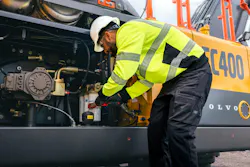
Cold weather makes rubber brittle and causes metals to contract at different rates, so a winter walk-around needs to be much more thorough than a summer check.
On your walk-around, pay close attention to:
- Hydraulic hoses and fittings: Freezing temperatures cause the rubber in hydraulic hoses to become brittle and lose flexibility. During your walk-around, visually inspect every hose for cracks, surface splitting or signs of leakage around the couplings before putting the machine under load.
- Hydraulic cylinder rods: Snow, ice and road salt brine kick up onto exposed chrome rods. If salt brine sits on chrome, it pits and rusts fast. Make it a habit to inspect rods and, whenever possible, park machines with hydraulic cylinders fully retracted to keep the chrome protected.
- Belts and seals: Check fan and alternator belts for proper tension and surface cracking. Stiff, frozen belts subjected to the sudden drag of a cold alternator and fan on startup are far more prone to slipping or snapping. Also inspect door and window weatherstripping for tears. Damaged seals let moisture seep in, which freezes cab doors shut overnight and lets drafty air in during operations.
- Water separators and fuel filters: Drain water separators daily. Water trapped in fuel lines or filters will freeze, wax up and starve the engine before you even leave the yard.
What undercarriage issues become more common during winter?
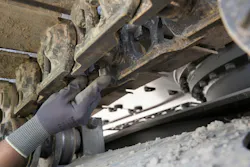
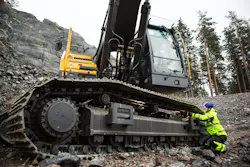
Packed mud is the absolute enemy of undercarriages in winter. If wet mud is left in the undercarriage overnight in sub-freezing temperatures, it freezes solid and acts a lot like concrete. If an operator tries to force the machine to move with frozen tracks the next morning, that frozen mud can easily damage the tracks, pins and rollers. My rule of thumb is to clean out track frames, undercarriages and drivelines at the end of every shift while the material is still soft. Afterwards, park the machine on timber mats or clean rock rather than standing water or deep mud so the tracks don’t freeze directly to the ground overnight.
How can operators prevent frozen doors, latches, and cab seals?
There’s nothing more frustrating for an operator than starting a cold morning by snapping a door handle off a frozen cab. To prevent frozen cab seals, apply a high-quality silicone lubricant or rubber conditioner along door, window and hatch weatherstripping before a deep freeze hits. The silicone creates a hydrophobic barrier so water can’t settle into the porous rubber and freeze the door shut. For key locks and latch mechanisms, spray a graphite or dry Teflon-based lubricant into the key cylinders and latch assemblies. You should avoid petroleum-based wet lubricants inside keyholes because they trap dirt and moisture, which causes them to freeze up even worse when temperatures drop.
Don’t forget the fluids
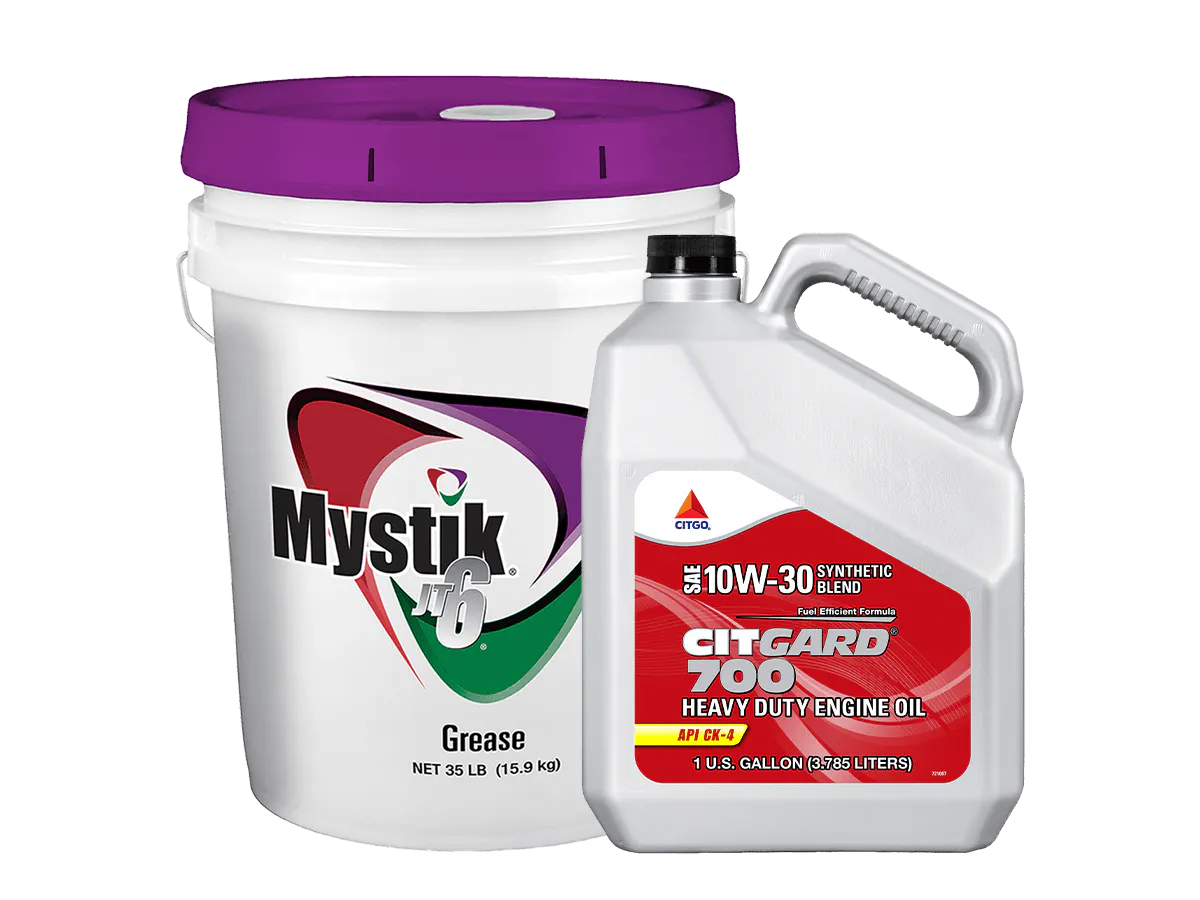
Winter maintenance goes deeper than batteries and frozen tracks. Cold temperatures thicken engine and hydraulic oils, stiffen grease, gel diesel fuel, and create new contamination headaches. Our Fleet Manager’s Guide to Cold-Weather Fluids and Filters digs into choosing the right viscosity, keeping grease flowing, preventing fuel gelling, managing filters and water separators, and dealing with frozen DEF. It also explains why high-viscosity-index and multi-viscosity fluids can make a big difference when temperatures plunge. Before your fleet heads into the cold, check out the complete guide for the fluids, fuels, filters, and lubrication strategies that can help keep machines moving.
What battery inspections should contractors perform before winter? Should fleets routinely load-test batteries before the season starts?
Testing batteries before temperatures drop is critical during fall prep. A machine’s battery can be up to 50 percent weaker in an extremely cold environment. Fleet managers should use a battery tester to check voltage, verify overall condition and watch for any performance signals before cold weather sets in. Be sure to keep batteries and terminals clean.
Besides batteries, what electrical components commonly fail in cold weather?
Cold start aids like air heaters and block heaters take on a heavy workload during freezing weather, putting increased demand on relays, starters and the battery system. On top of cold stress, de-icing salts used on winter jobsites can seep into wiring harnesses and connections, causing corrosion that triggers electrical fault codes. Inspecting connections and keeping your machines clean of salt buildup helps prevent cold-weather electrical issues.
What’s the biggest misconception operators have about warming up equipment? How long should operators let machines idle before working?
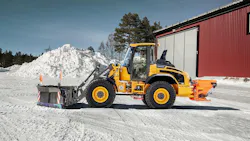
One of the biggest misconceptions I hear in the field is that idling a diesel engine at low RPM for 15 or 20 minutes is the best way to warm it up. But that actually does more harm than good.
When a diesel engine idles excessively in cold weather, it doesn’t generate enough heat to reach optimal operating temperature. This causes incomplete combustion, leading to:
- Carbon buildup on injectors, turbos and in the exhaust system
- Fuel dilution in the engine oil, which reduces lubrication and causes cylinder wall wash
- Unnecessary hours on the machine counter, hurting resale value and wasting fuel
The right approach is to allow the engine to idle just long enough for oil pressure to stabilize and fluids to circulate (typically three to five minutes), then start working the machine under light load. Operating the machine gently builds heat in the engine, transmission and hydraulics far faster and cleaner than excessive idling ever will.
What operating habits help reduce wear during cold weather?
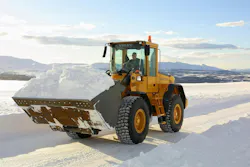
It comes down to operator patience during the first 15 to 20 minutes of the shift.
- Ease into hydraulic functions: Cold hydraulic oil is thick. Even if the engine feels warm, operators should start moving the machine slowly to warm up the entire system. Exercise all hydraulic functions gently without a load to circulate fluid before digging into heavy material.
- Watch your travel speed: Ground conditions in winter are unpredictable. Frozen ruts are hard as concrete, and hidden ice under snow causes sudden traction loss. High-speed travel over frozen ground exerts massive shock loads on structural welds, pins and undercarriages.
- Cool-down periods: Don’t just kill the engine right after heavy working. Give the engine 90 to 120 seconds of idle time at the end of the shift so the turbocharger can cool down properly before shutoff. Some newer machines, Volvo included, come with an auto engine shutdown feature that automatically turns the machine off after a set period of time.
When should Eco mode — or higher engine speeds — be used during winter startup?
During cold startup, operators should avoid running the engine at full throttle immediately. Start at low idle until oil pressure stabilizes, then move to a moderate engine speed to help the engine reach operating temperature efficiently without wasting fuel. High engine speeds and heavy working loads should only be engaged once engine coolant and hydraulic fluids have warmed up out of the cold range.
What’s the best way to store construction equipment that won’t be used for several weeks?
If a machine is going to be sitting for several weeks or months during the winter, prep is everything. Here are a few things to consider before putting equipment into extended storage:
- Clean it thoroughly: Power wash the exterior and undercarriage to remove dirt, mud and road salts that trap moisture and accelerate rust.
- Protect hydraulics: Fully retract hydraulic cylinder rods to keep chrome surfaces protected inside the cylinder barrels, or coat exposed chrome with grease.
- Top off fluids and fuel: Fill fuel tanks above 70% with winter-blend diesel to minimize air space where condensation can form and verify that coolant freeze protection matches your lowest local temperatures. However, because DEF expands as it freezes, leave space in the DEF tank rather than filling it completely to avoid damage.
- Drain water systems: On machines like asphalt compactors, fully drain the water spraying systems, pumps and hoses (or flush them with RV antifreeze) so freezing water doesn’t burst water lines or pumps.
- Isolate electrical: Disconnect the battery ground switch or remove batteries and store them in a climate-controlled room.
- Drain air tanks: This helps prevent structural damage, safety hazards and mechanical failures caused by trapped moisture.
Should machines be started periodically during extended winter storage?
Starting a stored machine just to let it idle for a few minutes in cold weather actually causes more harm than good. Because short idling prevents the engine from reaching its optimal operating temperature, unburned fuel and moisture condense inside the engine oil and exhaust system rather than burning off. Unless you plan to work the machine under load long enough to reach full operating temperature, it’s best to keep the machine properly winterized and dormant until it’s ready to return to service.
Which inexpensive winter maintenance steps deliver the biggest return on investment? Which of your products or technologies have made the biggest difference in winter uptime over the last five years?
The highest ROI step is performing low-cost preventive checks like testing DEF purity with a refractometer, monitoring coolant concentration and regularly draining fuel water separators. In terms of technology, fleet telematics systems like Volvo ActiveCare Direct make the biggest difference in winter uptime. Telematics allows dealers and fleet managers to catch subtle fault codes and machine health alerts proactively, giving technicians a chance to fix potential cold-weather issues before they turn into costly downtime.
Thanks again to Garland for taking the time to share his maintenance expertise. Go visit Volvo CE's website for more info.
About the Author
Keith Gribbins
Keith Gribbins is the head of content at Construction Equipment, where he leads editorial strategy across print, digital, video, and social channels. An award-winning journalist with more than 20 years of experience, Keith has won 17 national and regional editorial awards and is known for his hands-on reporting style, regularly visiting manufacturers, operating equipment, and covering major industry events worldwide.