Stay On the Move With These On-Road Truck Maintenance Tips
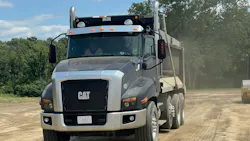
Regular truck maintenance is essential for safe operation, maximizing uptime, and helping reduce operating costs.
Routine inspections can identify small issues before they become costly repairs while helping keep your truck operating efficiently. Daily miles on the road can take a toll on various components, so it’s important to inspect and maintain your truck to help prevent costly repairs, roadside breakdowns, or lost productivity.
Cleanliness and visual walk-around
A clean truck makes it easier to identify potential maintenance concerns before they become larger issues. (And as we all know, cleanliness is next to truckliness, too.)
So, wash the entire vehicle, including the undercarriage, to remove dirt, road salt, and contaminants that can contribute to corrosion.
Used trucks can be worth the price
A systematic walk-around inspection helps identify concerns early, reducing the risk of unexpected downtime. Key action items in a walkaround include the following.
- Inspect lights, reflectors, mirrors, and body panels for damage and verify all lighting systems are functioning properly.
- Check windshield wipers for wear and replace as needed to maintain visibility.
- Look underneath the truck for signs of oil, coolant, or fuel leaks.
- Inspect frame rails, suspension components, air lines, and electrical connections for wear or damage.
- Clean debris from the radiator, charge air cooler, and air intake areas to promote proper airflow and cooling efficiency.
Now, look down at the tires
Tires have a direct impact on fuel consumption, vehicle safety and operating costs. Drivers and maintenance personnel should:
- Verify tire pressures are maintained according to manufacturer specifications
- Inspect tread depth and wear patterns
- Check steer tires for uneven wear that may indicate alignment or suspension issues
- Remove embedded debris and inspect for cuts, punctures or sidewall damage.
Proper tire maintenance can improve fuel efficiency, extend tire life, and help prevent costly roadside service events.

Open the engine compartment
Routine under-hood inspections can help identify issues before they affect vehicle reliability.
An under-hood inspection should include:
- Air filter condition and restriction indicators
- Engine oil level
- Coolant level and condition
- Power steering and other fluid reservoirs are at the proper level
- Fuel filter is clean and carry a replacement
- Belts, hoses, and clamps for cracks, leaks, or excessive wear
- Battery cables and electrical connections for corrosion or looseness.
Addressing these minor issues early can prevent component failures and unplanned downtime.
Don't forget the oil
Regular oil changes are one of the most important things you can do to keep your engine running at peak performance.
Choosing a high-quality engine oil helps protect both modern low-emission and older diesel engines in a wide range of operating conditions, from cold starts to high-temperature driving. Advanced formulations resist oxidation to help support improved fuel economy, provide corrosion protection for critical engine components, and deliver the durability today's engines demand.
A fleet manager's guide to winter fluids and oils
An oil analysis program helps fleets optimize oil drain intervals based on real-world conditions, reducing unnecessary maintenance and improving engine health. By minimizing downtime and extending oil life, it can support lower total cost of operation and deliver lasting value for fleets of any size.
Keep it cool
Cooling system problems remain one of the leading causes of engine-related downtime. It’s important to check your cooling system regularly.
- Verify coolant concentration and freeze protection level year-round.
- Inspect coolant condition and contamination.
- Examine hoses, clamps and fittings for leaks or deterioration.
- Keep the radiator and cooling package free from debris.
Maintaining a healthy cooling system can help prevent overheating incidents that lead to costly repairs and lost productivity. Consider using an extended-life coolant like Shell Rotella, which can help reduce corrosion, provide effective heat transfer, freeze and boil protection, and improve water pump life.
Keep the power running
Battery and electrical failures are often preventable through routine inspection and support of today's increasingly sophisticated vehicle systems. It is important to inspect:
- Battery terminals for corrosion
- Cable connections for tightness and cleanliness
- Battery hold-downs and mounting hardware
- Wiring harnesses for abrasion or damage.
Cornelius Jones is Commercial Road Transport-Technical Expert, Shell Lubricants.
About the Author
 Frank Raczon
Frank Raczon
Frank Raczon has covered and influenced the equipment industry for 35 years, including 15 years as senior editor of Construction Equipment, and marketing, advertising, and public relations work with the industry's top manufacturers. In addition to authoring "Caterpillar: Modern Earthmoving Marvels" (Motorbooks, 2015), he has won numerous awards in his career, highlighted by nods from the Construction Writers Association, the Association of Equipment Manufacturers, the Business Marketing Association, and BtoB magazine. Raczon has also won a number of awards from publishing peer groups such as ASBPE and TABPI.