Frozen Controls and Weak Batteries: JLG Talks Winter Aerial Lift Prep
Key Highlights
- Moisture can freeze aerial lift controls. Inspect joystick boots, toggle switches, and electrical connections for damage or moisture that could cause equipment failures.
- Smart charging habits improve winter performance. Keep batteries fully charged, charge overnight, and use warmer indoor charging locations when possible.
- JLG offers extra protection for extreme cold. 🥶 Optional cold-weather packages can include battery, hydraulic tank, and engine breather heaters.
We’ve talked a lot about winter maintenance this fall. A lot. Construction Equipment has been serving up a steady stream of cold-weather advice to anyone willing to listen. Here are a few winter prep topics we’ve tackled this season:
- Winter oils, parts, and expert maintenance advice — Tips from Caterpillar, Hyundai, CITGO, and Ignite Attachments.
- Chevron’s cold-weather maintenance tips — Advice on lubricants, hydraulic fluids, and protecting equipment from freezing temperatures.
- Volvo CE’s winter maintenance Q&A — Expert answers on frozen tracks, machine warmup, and daily inspections.
- Winter equipment operation and storage — Advice on keeping working machines productive and protecting stored equipment.
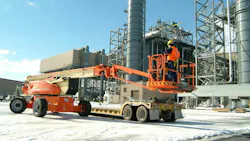
That’s not even the full list. Next up: aerial work platforms. These machines face their own cold-weather challenges, especially when it comes to battery performance and hydraulic systems. A frozen joystick or weak battery can quickly put a lift in the shop. To help rental fleets and contractors keep their machines working this winter, we spoke with David Lombardo, chief engineer at JLG. He shares practical advice on winterizing mobile elevating work platforms (MEWPs), improving daily inspections, and protecting equipment from the cold. Let's dig in.
CE: First off, David, thanks so much for taking the time to talk today. We are big fans of the JLG brand, so we’re excited to hear your insights into cold-weather maintenance. To start us off, when should contractors begin winterizing their fleet?
Lombardo: Preparation should begin before cold temperatures and winter precipitation arrive. Contractors should first confirm that equipment is up to date on recommended maintenance and repairs, then review the machine’s Operation and Safety Manual to make sure the appropriate engine oils, hydraulic oils, lubricants and fuels are being used for the expected ambient temperatures.
Electrical systems and batteries also deserve attention. Battery connections should be secure, tight and corrosion-free, and exposed electrical components and cannon plugs should be checked for moisture. Where appropriate, dielectric grease can be applied to help seal out moisture and prevent corrosion. On diesel-powered equipment equipped with glow plugs, contractors should also verify that the system is set up properly according to the manufacturer’s instructions.
The goal is to address maintenance concerns before consistently cold weather arrives rather than waiting until low temperatures expose a weak battery, electrical connection or other issue.
What should be included in a daily winter walk-around inspection? Which hoses, seals, belts, and fittings deserve extra attention before freezing temperatures arrive?
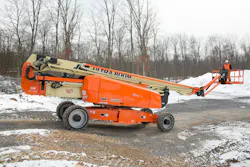
Incorporate several cold-weather checks into the equipment’s normal inspection and preventive maintenance routines. Battery connections should be checked to make sure they are secure and corrosion-free. Electrical cannon plugs should be inspected for moisture, and exposed electrical components should be protected against moisture and corrosion as appropriate.
Operators should also inspect toggle switches and joysticks at both the platform and ground controls for damaged protective boots. Water entering a switch can freeze and potentially make the machine inoperative.
Beyond these winter-specific items, equipment should remain current on all manufacturer-recommended maintenance and inspections. Always follow the applicable Operation and Safety Manual and service manual for machine-specific inspection requirements, including requirements related to hoses, fittings and other components.
What battery inspections should contractors perform before winter? Should fleets routinely load-test batteries before the season starts?
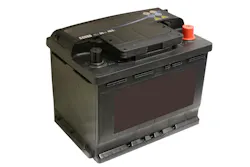
Cold temperatures can significantly affect battery performance, making battery condition particularly important during winter operation. Before and throughout the season, contractors should make sure batteries and battery connections are secure and corrosion-free.
For lead-acid batteries, water levels should also be checked and topped off when necessary using distilled or deionized water rather than tap water. Aged or weakened batteries should be addressed because battery performance naturally declines with age, and those weaknesses may become more noticeable in colder temperatures.
For battery-powered MEWPs, keeping batteries fully charged is especially important. When possible, charging overnight and charging the machine indoors or in a warmer environment can help batteries begin the workday warm and fully charged.
Contractors should follow the battery and equipment manufacturer’s prescribed inspection and maintenance procedures.
Rent, Lease, or Buy? Making the Right Equipment Decision
What's the smartest way to acquire your next piece of construction equipment? The answer goes well beyond the monthly payment. From utilization rates to maintenance costs and dealer support, several factors can determine whether renting, leasing, or buying makes the most financial sense. Read our guide to making smarter equipment acquisition decisions.
Besides batteries, what electrical components commonly fail in cold weather?
Moisture is an important consideration for electrical systems during winter. Contractors should inspect electrical cannon plugs for moisture and, where appropriate, apply dielectric grease to help seal out moisture and prevent corrosion.
Toggle switches and joysticks also deserve attention. The protective boots around controls at both the platform and ground stations should be inspected for damage. If water enters a switch and freezes, it can interfere with machine operation.
These checks are especially relevant in winter because equipment may regularly encounter snow, ice, freezing temperatures and repeated freeze-thaw cycles.
What operating habits help reduce wear during cold weather?
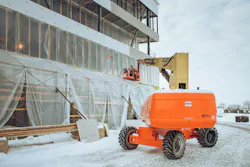
Good cold-weather operation starts with making sure the machine is properly maintained and configured for the conditions. Operators should use the engine and hydraulic oils specified by the manufacturer for the ambient temperature and follow all recommendations in the applicable Operation and Safety Manual and service manual.
For battery-powered MEWPs, operators can help maintain machine performance through proactive charging. Extremely cold temperatures can cause greater voltage drops in lead-acid batteries, which can cause the machine’s control system to limit performance to protect vital components. Keeping batteries as highly charged as possible helps maintain voltage within the optimal operating range.
Opportunity charging — plugging the machine in whenever practical — can be useful in cold environments. Overnight charging is also beneficial because it allows the machine to begin the next workday with a full charge while also warming the batteries during the charging process.
Which inexpensive winter maintenance steps deliver the biggest return on investment? Which of your products or technologies have made the biggest difference in winter uptime over the last five years?
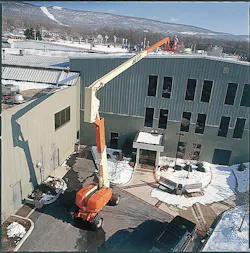
Some of the most valuable winter maintenance steps are also relatively straightforward: keep batteries and their connections clean, tight and corrosion-free; inspect electrical connections for moisture; inspect switch and joystick boots for damage; maintain proper battery water levels; and use the correct lubricants, engine oils, hydraulic oils and fuel for the expected ambient temperatures.
For battery-powered equipment, charging habits can also make a substantial difference. Charging overnight, opportunity charging during the workday and, whenever possible, charging indoors or at warmer temperatures can help maximize battery performance in cold environments.
For particularly demanding conditions, JLG also offers optional cold-weather packages for certain equipment. JLG MEWPs are designed for operation in nominal ambient temperatures from 0° F to 104° F (-20° C to 40° C). Cold-weather kits can help control the temperature of key operating components in more severe conditions. These kits can include battery, hydraulic tank and engine breather heaters designed to help address hard starts, slow hydraulic performance and engine malfunctions. Machine-specific limits and requirements outlined by the manufacturer must always be followed.
Looking ahead, what innovations will make cold-weather operation easier for construction fleets?
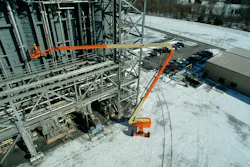
One important area is technology designed to better manage the temperature of critical machine components. Cold weather can affect batteries, hydraulic systems and engines differently, so solutions that help maintain appropriate operating temperatures can support machine performance in harsh conditions.
JLG cold-weather packages offer an example of this approach today. Depending on the machine, these packages can incorporate battery heaters, hydraulic tank heaters and engine breather heaters to help manage the effects of low temperatures on key systems.
As equipment continues to evolve, cold-weather productivity will remain closely tied to designing machines and supporting systems around the environmental conditions in which customers need to work. Regardless of the technology available, however, proper preventive maintenance, correct fluids and adherence to the manufacturer’s specified operating temperature limits will remain essential.
About the Author
Keith Gribbins
Keith Gribbins is the head of content at Construction Equipment, where he leads editorial strategy across print, digital, video, and social channels. An award-winning journalist with more than 20 years of experience, Keith has won 17 national and regional editorial awards and is known for his hands-on reporting style, regularly visiting manufacturers, operating equipment, and covering major industry events worldwide.