From Scrap Yards to River Barges: Behold the Liebherr LH 60 C Material Handler
Key Highlights
-
This thing can move some serious material. Gateway Dredging’s LH 60 C unloads about 500 tons of sand per hour while working aboard a floating operation.
-
The LH 60 C can change jobs with its configuration. Long-reach fronts, elevated cabs, diesel and electric options, and attachments make it one versatile tool carrier.
-
Gateway says the machine is earning its keep. ⏱️ After roughly a year and a half of near-daily operation, the company reports strong reliability and easy maintenance.
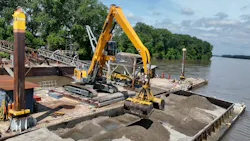
Some machines just look awesome. Like walking draglines, extreme-duty road saws, or the big Bagger 288 bucket-wheel excavator. I’ll also throw material handlers into that category. They’re big, fun, and a little strange. They have elevated cabs, long arms, and cool technology. Let me draw your attention to the Liebherr LH 60 C Industry Litronic as a good example. Depending on how you configure it, the LH 60 C can tackle everything from scrap and timber to bulk materials and harbor work — all while looking awesome. Gateway Dredging & Contracting offers a particularly cool example of this machine in use. The St. Louis-area contractor put an LH 60 C to work moving dredged sand and sediment along the Missouri and Mississippi rivers. So, it’s an awesome-looking machine in an equally cool application, so let’s dig in.
Moving 500 tons of sand per hour
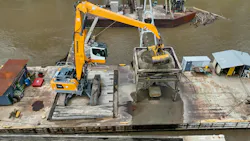
Liebherr recently wrote about the Gateway Dredging operation for its Beyond State Lines magazine (a pub you should sign up for). A lot of the info from this post comes from that article. Gateway Dredging works across more than 150 miles of the Missouri and Mississippi rivers. The company supplies sand and sediment for construction operations while also supporting barge, towing, drilling, painting, and bridge maintenance work. Gateway Dredging works with Liebherr dealer Central Power Systems & Services for both sales and service of this LH 60 C. According to the article::
“We have had this machine for a year a half now — the name of the game is uptime, and so far, we have had great success with the Liebherr,” noted Terry Bangert, chief operating officer of Gateway Dredging & Contracting.
Gateway says its LH 60 C can unload approximately 500 tons of sand per hour. Gateway puts the crawler-mounted unit to work aboard its floating dredging operation, where its long reach, elevated cab, and clamshell bucket turn it into a high-capacity sand handler. The LH 60 C is designed around repetitive lifting, swinging, unloading, and returning. The unit is equipped with Liebherr’s patented ERC system (energy recovery system), which captures energy as the boom lowers and feeds it back into the next lift, reducing the amount of power the engine must provide during repetitive cycles.
The LH 60 C is a big tool carrier
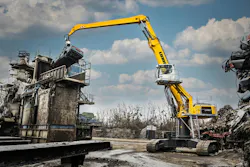
The LH 60 C can tackle a variety of material handling jobs. Liebherr designed the crawler machine for versatility across scrap, timber, recycling, bulk-material, and harbor applications. First off, the LH 60 C gives operators a great view via a hydraulically elevating cab. Raising the operator position provides visibility into both the hopper and barge. These material handlers also provide long-reach booms and sticks that can reach deep into railcars and vessels. Depending on configuration, the LH 60 C can stretch its front nearly 66 feet, while Port versions reach more than 75 feet. Since we’re already here talking handlers, maybe go check out Material Handlers 101 article.
Anyway, Liebherr also offers both diesel and electric power options. The Liebherr LH 60 C Industry E Litronic replaces the diesel engine with an electric drive; this unit is a cable-powered electric material handler. There are options for both crawler and wheeled undercarriages as well. If you need to hustle around a scrap yard, the LH 60 M puts the material handler on wheels. Attachments are big, too.
Some available work tools include:
- Multi-tine grabs for scrap and bulky materials
- Clamshell buckets for sand and other bulk materials
- Sorting grapples for recycling and sorting applications
- Specialized grabs for timber handling
- Quick-coupling systems that expand attachment flexibility
Here are the four main diesel iterations of the LH 60 C:
LH 60 C Industry Litronic — The standard diesel crawler and the machine Gateway Dredging is using. It has up to 65 feet, 7 inches of reach and a 258-horsepower diesel. It’s aimed at scrap, timber, bulk materials, and other industrial handling.
LH 60 C High Rise Industry Litronic — Same general industrial mission, but the uppercarriage sits on a raised structure. That gives the operator greater working height and visibility. It still reaches over 65 feet.
LH 60 C Port Litronic — This is the port specialist. Liebherr stretches maximum reach to 75 feet, 5 inches and optimizes the machine for bulk and mixed-cargo handling.
LH 60 C High Rise Port Litronic — Basically the long-reach Port machine plus the raised uppercarriage. It combines more than 75 feet of reach with greater elevation and visibility for loading and unloading vessels.
For fleet managers, versatility matters
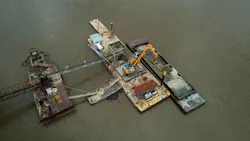
It’s always interesting to hear from companies what they think about the equipment. According to the Beyond the State Lines article, Gateway Dredging & Contracting’s operators liked the LH 60 C’s controls, elevated cab, and visibility. After roughly a year and a half, the company says reliability and maintenance have met the demands of its near-daily operation. That’s impressive for a machine that works nearly non-stop, unloading about 500 tons of sand per hour. Plus, this material handler application on a boat is just extra awesome. Gateway equipped its LH 60 C for bulk material handling, and put it aboard a floating operation unloading sand along the Missouri and Mississippi rivers. The photos prove how cool this unit looks doing it.
About the Author
Keith Gribbins
Keith Gribbins is the head of content at Construction Equipment, where he leads editorial strategy across print, digital, video, and social channels. An award-winning journalist with more than 20 years of experience, Keith has won 17 national and regional editorial awards and is known for his hands-on reporting style, regularly visiting manufacturers, operating equipment, and covering major industry events worldwide.