The Fluids Czar: A New Job for the Modern Equipment Fleet
Key Highlights
-
Fluids management deserves dedicated attention. Fuel, oil, coolant, air, and DEF have become increasingly complex as construction equipment has evolved.
-
Clean fluids can mean longer component life. Better procurement, storage, filtration, and monitoring can help fleets reduce wear, failures, and repair costs.
-
Put someone in charge. Treating fluids management as a specialized responsibility can help fleets control costs and improve equipment reliability.
Editor’s note: This article was first published as “The Case for a Fluids Czar” by Mike Vorster on May 26, 2015. It has been significantly updated to reflect today’s construction equipment and fleet management practices.
It is pretty simple — you cannot maintain the equipment of today with the tools, technologies, and mindsets of yesterday. The old rope shovel in the picture below burned almost anything for fuel. Oil was black and dirty, and water was all you needed for a coolant. Preventive maintenance was all but nonexistent and a day without some sort of mechanical failure was a good day. Fluids were of no concern. Anything would do as long as it was reasonably clean and in the right place. Maintenance was easy, and anyone could do it.
Construction equipment maintenance has changed

A cursory glance at this website shows that the world is different. Even this article has been updated since it was first published 11 years ago. Equipment today is better, faster, more complex, and more productive. Gone are the days when black smoke coming out of the smoke stack was seen as a sign of solid hard work. Gone are the days when maintenance was a low-tech job performed by an “oiler.” Gone are the days when fuel, oil, and water were simple, cheap, low-tech products that required little or no care and attention. Machines of today have very high demands when it comes to the cleanliness and quality of the fluids they use, and there is little if any room for error. Let’s look at what has happened to the fluids we use to power, lubricate, and cool our machines and then consider the possibility of defining fluids management as a specialized, highly focused job.
Diesel fuel requires careful management
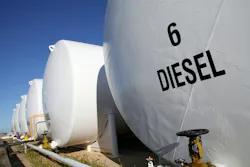
The transition to ultra-low sulphur diesel (ULSD) and the demands of modern, high-performance diesel engines have placed a high demand on fuel specification, cleanliness, and storage. Diesel is no longer a simple product of the oil refining process. It is a complex fluid that cools, lubricates, and cleans the injection system and provides power to the engine with minimum environmental impact. Tight tolerances and high pressures demand extreme cleanliness and it is absolutely not possible to expect that a machine will operate reliably on fuel that has not been bought, stored, and distributed with the utmost care and diligence. Volatility in the market, price fluctuations, and starkly different procurement options add to the complexity of the situation. It is no longer a matter of buying a couple of thousand gallons of the nearest and cheapest and filling up your tanks.
Oil cleanliness affects component life
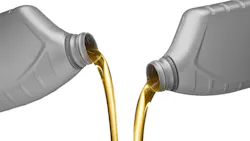
Oils, the base materials from which they are made and the additive packages they contain, are extremely complex, carefully designed fluids. Requirements for lubricity, operating temperatures, and oxidation resistance are up, and oil change intervals are continuously increasing based on improvements in oils, filtration, and cooling. Design and manufacturing changes have resulted in a staggering increase in the need for cleanliness. We no longer discuss or debate the fact that cleanliness is “good.” We measure it by ISO standards, and we have the knowledge needed to quantify the impact of improved cleanliness on component life. We know that we can reduce the cost of major component replacement for a mid-size loader by 30 percent if we do nothing more than increase oil cleanliness from ISO code 18/15 to ISO code 15/12. It is not a matter of debate or a matter of good practice. It is a matter of hard economics. Procurement, storage, and filtration are critical at every step in the process. A competent oil analysis program is no longer a luxury or an option.
Coolant is the forgotten construction equipment fluid
Coolant is truly the forgotten fluid. Summer and winter demands vary and there is a lot of chemistry going on between the fluid and complex metals in the cooling system. Liner cavitation and aluminum corrosion can become major problems if additives and concentrations are not properly measured and managed. As with fuel, it is no longer a question of finding the cheapest and most convenient — water — and topping up the radiator.
Clean air protects diesel engines

Yes, it is a fluid and, yes, performance and life are very dependent on the cleanliness of the air drawn into the engine. The volume of air used is hard to imagine — an average heavy-duty engine requires between 13,000 and 20,000 liters of air to burn one liter of fuel. The filtration system has just one opportunity to filter dust, smog, and other particles out of the intake air. Once dirt is through any hole, crack, or gap in the filtration system, the contaminants are in place to cause damage to all engine components. Tighter tolerances, higher temperatures, and pressures increase the demand for filtration, and the need for carefully balanced fuel-air mixtures at all power settings reduces the allowable pressure drops. Ensuring the required quantity and quality of air to the engine is not as simple as it once was.
Diesel exhaust fluid adds another maintenance challenge

Diesel exhaust fluid (DEF) is another complex fluid causing a lot of people a lot of concern. It is a mix of 32.5 percent high-purity urea and 67.5 percent deionized water and is sprayed into the exhaust system where it serves as the reactant in the selective catalytic reduction system needed to lower nitrous oxide emissions. Consumption runs at approximately 2 percent of fuel consumption. It all sounds pretty simple and substantial work has been done to make storage and distribution as efficient as possible. It is, however, corrosive to copper and brass as well as other materials and there are stringent cleanliness, temperature, and storage requirements, especially in cold or very hot regions. It is, without doubt, another complex fluid to purchase, store, dispense, and manage.
Fluid contamination can drive up equipment costs
Clearly the world is more complex for all five of the principal fluid types discussed. We know that all sorts of contaminants including water and micro-organisms get into the fuel, yet we seldom measure quality and cleanliness as it goes into the machine. Substantial improvements have been made when it comes to oil cleanliness yet I still see top-up containers exposed to dust and grit, and I seldom come across a full understanding of the savings that can be achieved by improving fluid cleanliness and extending component life. Coolant and air filtration problems persist and one can only imagine the costs that flow from a badly managed DEF storage and distribution program. Costs are growing dramatically and opportunities for cost reduction through astute fluids management have never been higher.
Want to burn less diesel?
Fuel remains one of the biggest expenses on a construction site, but fleets have plenty of ways to cut consumption. Our “Burn Less Diesel” guide explores how reducing idle time, matching machines to applications, improving jobsite planning, and using telematics can help squeeze more work from every gallon. It also looks at fuel-saving technologies from major equipment manufacturers — including intelligent hydraulics, eco modes, automatic idle controls, hydrostatic drivetrains, and connected fleet-management systems.
Fuel deserves the same attention as maintenance costs
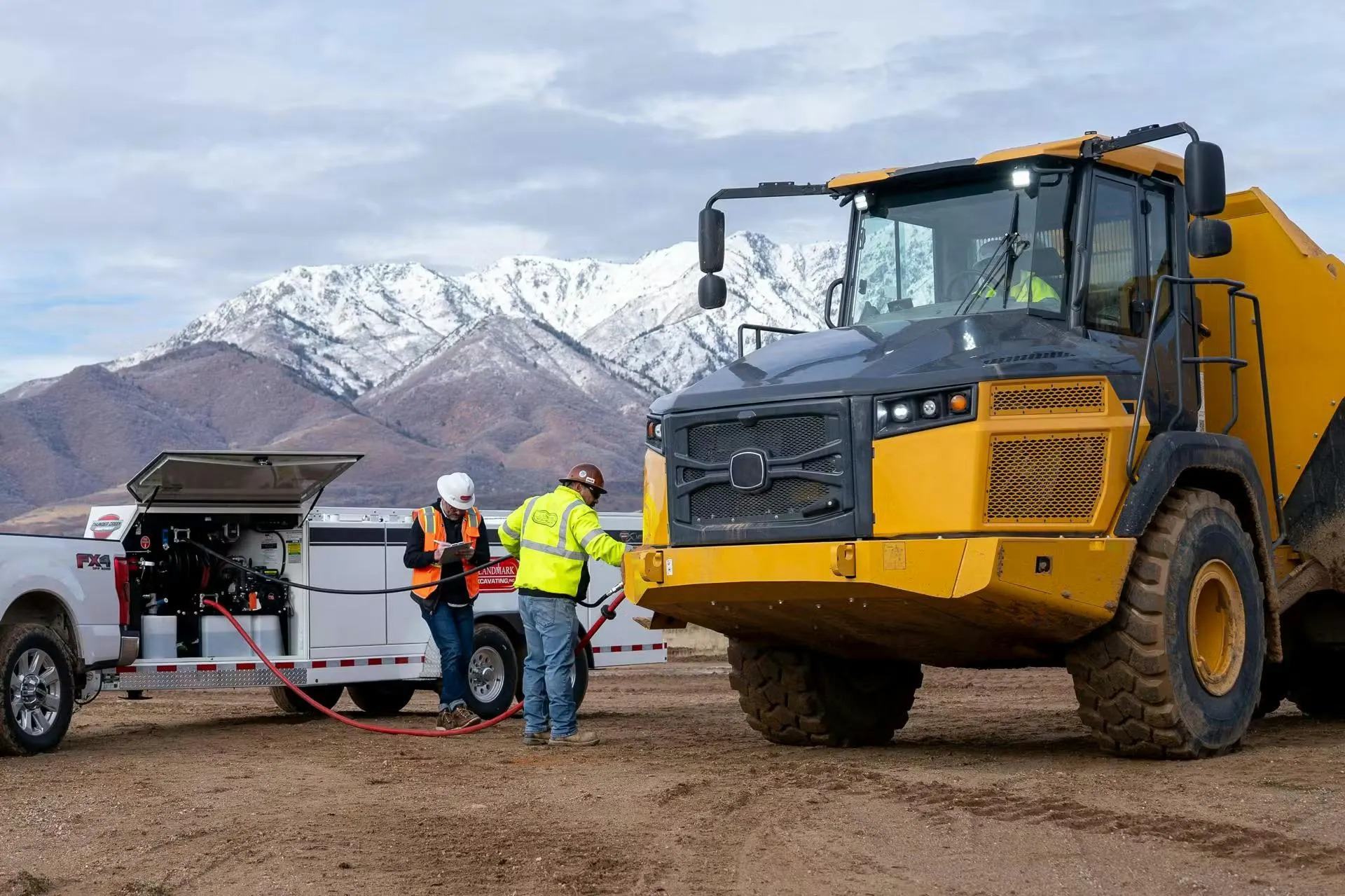
Fuel itself accounts for about a third of the total cost of owning and operating a heavy equipment fleet. The other two major cost categories — owning costs and repair and maintenance costs — receive a lot of attention while fuel is frequently delivered to site and used as and when needed. Unit level fuel consumption and fuel cost statistics are rare, and many equipment managers simply shrug their shoulders and say “there is nothing we can do.” I beg to differ. We have the technologies needed to measure and manage fuel costs with the same care and attention we give to repair and maintenance costs. We do not put mechanics and parts on site with no mechanism to keep track of cost and performance. Yet we often spend more on fuel than we do on parts and labor.
Does your fleet need a fluids management specialist?

Fluids management has passed beyond the stage where it can be the part-time responsibility of several individuals who just happen to be available or close to the problem. It is a specialized area of expertise. It influences and directly impacts a third of the total cost of owning and operating the fleet and can massively impact the reliability and repair costs of every machine you own and operate.
We have individuals who focus on repairs and maintenance and on running shops and yards. Their knowledge and expertise in these areas pay dividends, and we value their contribution to the organization. Let’s create a Fluids Tsar who has a laser focus on the cost savings and benefits that can be achieved from the proper management of the fluids which are the lifeblood of a productive, reliable, and cost-effective fleet.
It is not difficult to write the job description. It is not difficult to justify the investment. Machines are increasingly fluid-intensive, and fuel is a third of the cost of owning and operating our fleet. The need grows every day. It is true, you cannot maintain the equipment of today with the tools, technologies, and mindsets of yesterday. Changing your mindset with regard to fluids and fluid management and causing it to be an area of specialized expertise is a critical first step.
About the Author
 Mike Vorster
Mike Vorster
Mike Vorster is the David H. Burrows Professor Emeritus of Construction Engineering at Virginia Tech and is the author of “Construction Equipment Economics,” a handbook on the management of construction equipment fleets. Mike serves as a consultant in the area of fleet management and organizational development, and his column has been recognized for editorial excellence by the American Society of Business Publication Editors.
Read Mike’s asset management articles.