Burn Less Diesel: Fuel-Saving Tips and Tech Every Construction Fleet Should Know About
Key Highlights
- Reduce costly idling: Excessive engine idling wastes fuel, accelerates engine wear, and racks up non-productive hours that hurt resale value and increase maintenance costs.
- Small changes deliver big savings: Matching machines to the application, maintaining equipment, planning jobsites, and using telematics can significantly improve fuel efficiency.
- Technology is working smarter: Modern features like intelligent hydraulics, eco modes, automatic idle controls, hydrostatic drivetrains, and connected telematics help today's construction equipment burn less diesel and lower TOC.

Fuel has always been one of the biggest expenses on a construction project. That hasn't changed. Even though today's construction equipment burns less diesel than ever, rising fuel costs continue to pressure equipment owners and fleet managers. The good news? Contractors have more tools than ever to run more fuel-efficient diesel operations. Today we got smart engines, intelligent hydraulics, eco modes, and advanced telematics connecting it all. Of course, some of the biggest savings come from thoughtful changes — shutting machines off instead of letting them idle, matching equipment to the job, and letting onboard technology help do the work. To do our part in this effort, we gathered expert advice from industry leaders and then took a look at the technologies helping contractors squeeze more productivity out of every gallon of diesel. Let’s start off with…
The true cost of excessive idling
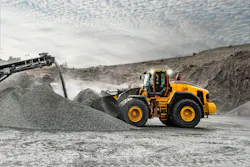
This section was written by S.S. Kim, product manager of mid-size excavators, at Volvo Construction Equipment.
It’s common to see a diesel engine left running while an operator waits on a truck, checks a grade, or takes a quick break. While many assume the only downside to idling is a few gallons of wasted fuel, the actual impact on a machine’s lifetime operating cost is much more severe.
Accelerated maintenance and component wear: Idling actively beats up the engine. At low idle speeds, an engine doesn’t reach its optimal operating temperature. This causes incomplete fuel combustion, leading to soot buildup on valves, cylinder walls, and piston rings. For modern diesel engines, this soot quickly plugs the diesel particulate filter (DPF), leading to more frequent forced regenerations, increased downtime and premature exhaust system failures.
Artificially inflating engine hours: Perhaps the most hidden cost of excessive idling is how it degrades resale value and warranty coverage. Hour meters track engine runtime, not distance traveled or tons moved. A machine that idles 40 percent of its life racks up thousands of non-productive hours. These hours speed up the intervals for mandatory services, exhaust warranty coverage prematurely and drastically lower the machine’s residual value when it comes time to trade it in.
Where the savings begin: Transitioning away from a culture of constant idling requires visibility. By utilizing telematics data to track exact idle percentages across a fleet, managers can identify baseline habits and train operators on when to shut down. Minimizing unnecessary runtime is one of the simplest ways to preserve the life of the equipment while cutting back on operating costs.
Fuel-saving practices that make a difference on today's jobsites
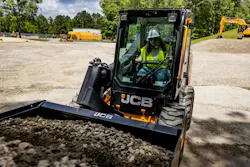
This section was written by Lee Tice, senior product manager, JCB North America.
Fuel efficiency is no longer just about engine technology. Across today's construction industry, contractors are finding that equipment utilization, operator habits, and jobsite planning often have the greatest impact on fuel consumption. One of the simplest opportunities is reducing unnecessary idle time. Even short periods of idling throughout the day can add up to significant fuel costs across an entire fleet. Telematics systems and onboard monitoring tools help identify excessive idle time, allowing fleet managers to coach operators and improve machine utilization.
Matching equipment to the application is equally important. Oversized machines may consume more fuel than necessary for lighter-duty work, while properly sized equipment can often complete the same task with lower operating costs. Selecting the right attachment and ensuring it matches the machine's hydraulic capabilities also helps maintain efficient performance.
Routine maintenance remains another key factor. Clean air filters, properly maintained cutting edges, and sharp attachment components reduce engine load and help machines operate more efficiently. Small maintenance issues that go unaddressed can gradually increase fuel consumption over time.
Finally, thoughtful jobsite planning can produce measurable savings. Organizing material placement, minimizing unnecessary travel, and reducing repeat passes all shorten machine runtime while maintaining productivity. Combined with trained operators and effective workflow coordination, these practical strategies help contractors reduce fuel use, control operating costs, and keep projects moving efficiently.
Run the numbers before you sign another fuel delivery invoice
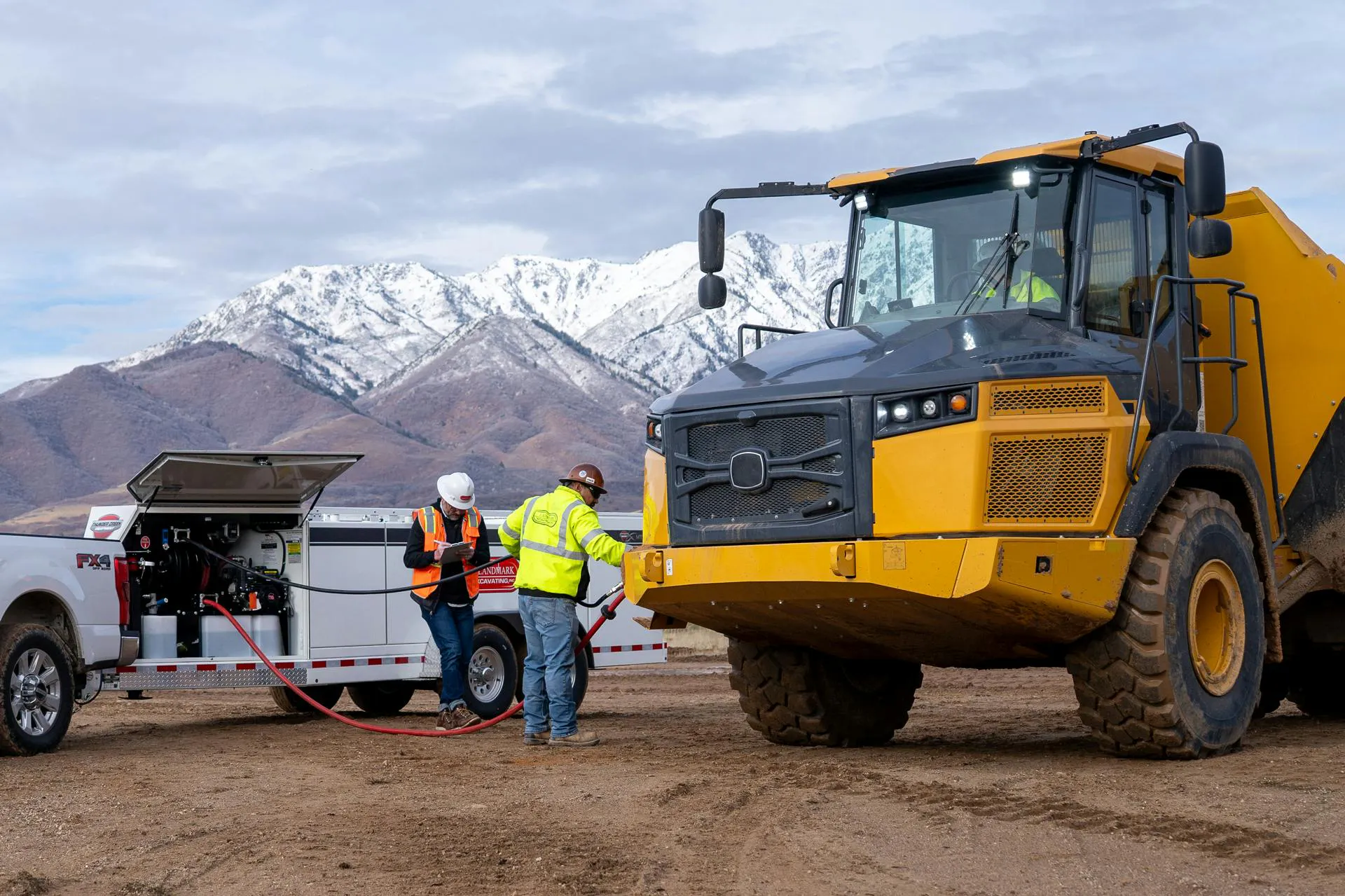
Fuel delivery is one of those costs that's easy to set up and never think about again. But how much is that convenience costing you? Say your site burns 300 gallons a day. Even at a modest 30-cent-a-gallon premium, you're looking at over $8,000 in delivery charges in 90 working days, and that's before any feeds for after-hours drops or half loads. Let’s compare with a 920-gallon fuel trailer. Labor to fuel up daily, couple weekly runs to refill, and that same 90 days runs closer to $3,000. That's a few thousand a quarter and grows the more fuel you burn. Delivery isn't always the wrong move, but hardly anybody actually prices the other option before signing. — Written by Lee Withers, regional sales manager, Thunder Creek Equipment
Telematics can lead the charge in your fuel-saving mission
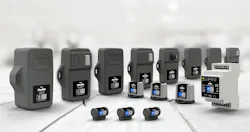
This section was written by Tom Valbak, CEO, Xtellio.
If you are considering adding a telematics solution to improve fuel efficiency, start by asking a few practical questions.
What information can your equipment provide? Engine hours, ignition status, fault codes, location, and fuel levels can help managers identify excessive idling, underused assets, inefficient deployment, and emerging maintenance needs. However, that information creates value only when it reaches the people and systems responsible for fleet decisions.
Will a telematics solution work across your entire fleet? Most contractors operate a combination of brands, equipment ages, small tools, and non-powered assets. A flexible system can close those visibility gaps without forcing you to replace otherwise productive equipment.
What is the utilization? Use the actual operating hours rather than relying only on calendar-based service intervals. Servicing machines according to real utilization can reduce unnecessary maintenance while helping prevent missed service on heavily used equipment.
Do you have an operational baseline? Before setting improvement goals, measure runtime, idle time, fuel use, and equipment movement, then focus on exceptions rather than overwhelming teams with every available data point.
Is your platform closed or open? Data should integrate with the fleet, maintenance, or business systems you already use. The goal is not just to collect more data; it's to make faster, better-informed decisions that reduce fuel use, downtime, and total operating cost.
Cool fuel saving technologies
Good operating habits remain the fastest way to cut fuel costs, but equipment manufacturers continue to make those savings easier to achieve. Today's machines automatically manage engine speed, hydraulic flow, idle time, and drivetrain performance while telematics platforms help managers identify waste across an entire fleet. Let’s take a look at some good examples.
Liebherr Power Efficiency
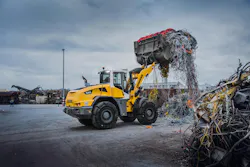
Liebherr approaches fuel efficiency as a complete machine system rather than a single engine feature. Its Liebherr Power Efficiency (LPE) technology continuously coordinates the engine, hydrostatic transmission, and hydraulics to match power output to the task at hand. By automatically adjusting engine speed and hydraulic pump displacement, LPE can reduce fuel consumption by up to 20 percent compared to previous-generation machines. The Liebherr L546 wheel loader showcases that philosophy throughout its design. Engineers mounted the drive components at the rear of the machine, where they serve as a natural counterweight. That balanced weight distribution improves stability, increases efficiency, and helps reduce fuel use without adding unnecessary ballast. The focus on efficiency extends beyond operation. A single rear hood provides ground-level access to the entire engine compartment, allowing technicians to reach service points quickly and safely. Faster maintenance means less downtime and lower ownership costs. The L546 pairs its efficient powertrain with a hydrostatic travel drive and durable components designed for long service life. For more info, visit Liebherr’s website.
Bobcat V-Drive hydrostatic transmission
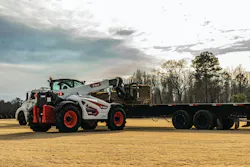
Modern construction equipment is increasingly equipped with technologies designed to reduce fuel consumption without sacrificing performance. One example is the V-Drive hydrostatic transmission available on the Bobcat TL923 telehandler. Unlike traditional transmissions that require manual gear shifts, the V-Drive system automatically optimizes machine performance to improve efficiency and deliver a smoother operating experience. Several integrated features contribute to fuel savings. Stop-and-start technology automatically shuts down the engine during idle periods and restarts it when needed, reducing unnecessary fuel burn. A maximum speed limiter allows owners to set travel speed parameters, helping control fuel use while improving jobsite safety. Eco-Ride lowers engine rpm once travel speed is stabilized, minimizing fuel consumption during transport. Cruise control maintains a consistent travel speed, reducing throttle input and supporting greater efficiency over long distances. Beyond fuel savings, the V-Drive system also reduces operator noise, lowers emissions, decreases engine hours to help preserve resale value, and enhances overall operator comfort. For more info, visit Bobcat’s website.
Volvo CE smart technologies
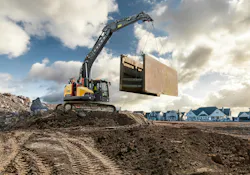
Managing fuel consumption requires machine design that optimizes power output automatically. Volvo Construction Equipment integrates smart technologies into everything from excavators and wheel loaders to haul trucks and compactors. For example, selectable excavator work modes match engine speed and pump flow to the exact task, reducing fuel consumption by up to 10 percent without losing performance. And on the loading side, the second-generation Smart Control system for large wheel loaders regulates rpm to deliver up to 15 percent lower fuel consumption. To curb waste across an entire fleet without operator input, features like Auto Idle and Auto Engine Shutdown automatically drop engine speeds or turn off the machine entirely when controls are inactive for a pre-set time. Integrated systems like these ensure that every machine on the job burns only the fuel required for the task at hand. For more info, visit Volvo CE’s website.
Develon excavator controls deliver enhanced fuel efficiency
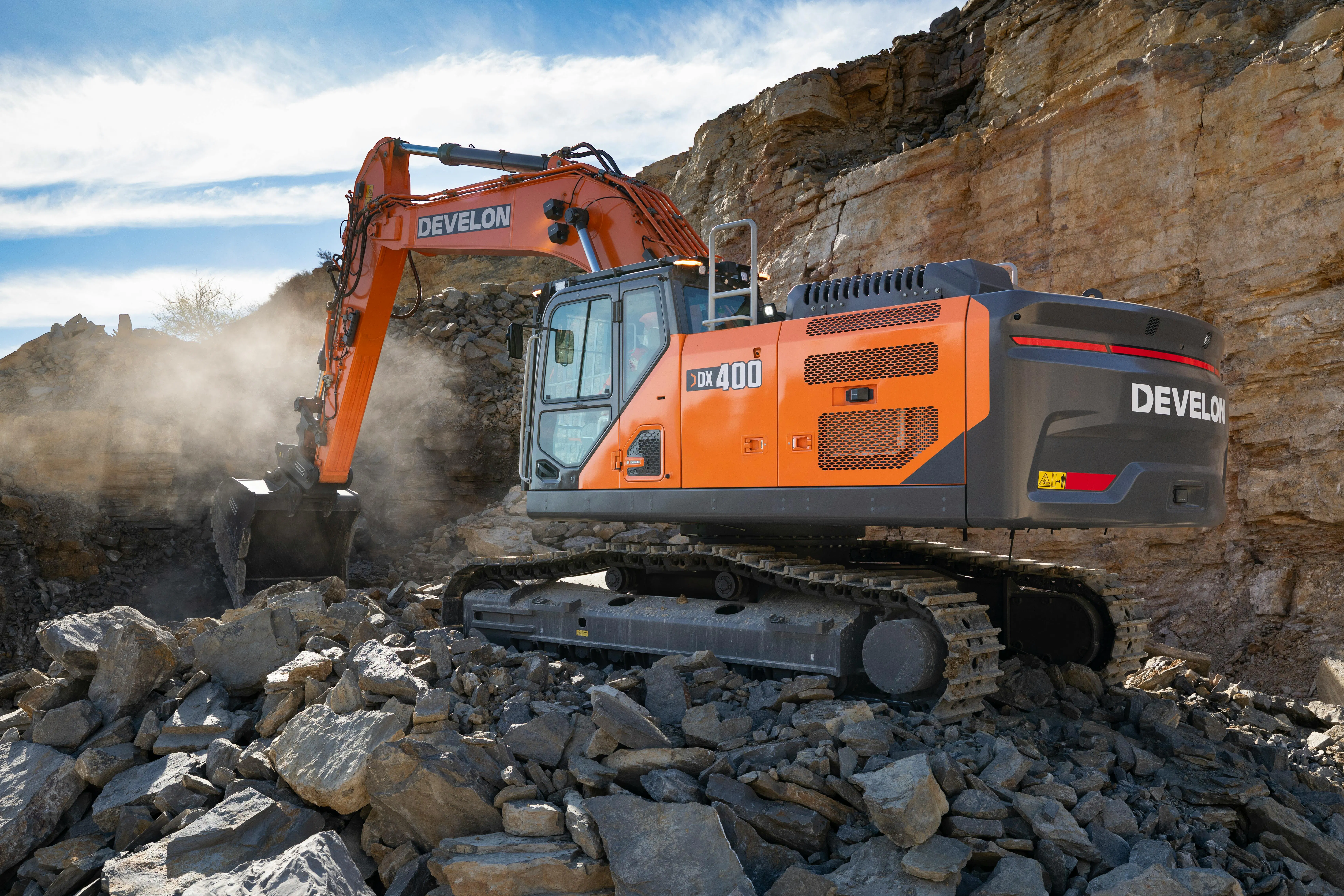
We’ve built on the success of our existing excavator platform with the new Develon -9 Series machines, which are designed with a full electric over hydraulic control system, replacing traditional mechanical pilot controls to deliver up to 8 percent greater fuel efficiency. By eliminating physical pilot lines, this state-of-the-art system significantly reduces parasitic engine load while precisely matching hydraulic flow to real-time operator demand. Power is distributed only when and where it is needed, virtually eliminating wasted energy during idling or transition movements. Beyond immediate fuel savings, this seamless electronic transition provides operators with unparalleled precision, smoother multi-functioning, and customizable control patterns. These technical advancements dramatically lower the total cost of ownership by decreasing daily fuel consumption while simultaneously reducing jobsite emissions and cabin noise. The -9 Series excavators represent a major industry leap forward, offering a proven blueprint for the future of sustainable, high-efficiency earthmoving technology across modern jobsites. — Written by Brian Kim, excavator product manager, Develon.
John Deere JDLink
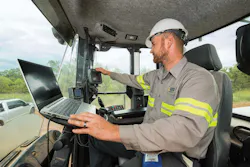
John Deere JDLink, available through the John Deere Operations Center, has major impacts on fuel savings by offering contractors and fleet managers monitoring capabilities to assist in operator training and maintenance needs. JDLink also provides real-time visibility into machine fuel consumption, allowing operators and contractors to spot inefficient practices quickly. Engine and hydraulic performance are also monitored, helping to detect issues that may increase fuel burn. On select machines, JDLink can show how different operating modes influence fuel use and provide customers with the insights they need to optimize machine performance and increase uptime. For more info, visit John Deere's website.
JCB LiveLink
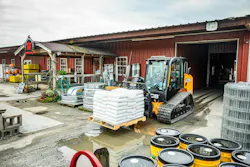
Managing fuel costs starts with understanding how equipment is being used. JCB LiveLink is a telematics platform that gives contractors real-time visibility into machine location, fuel consumption, idle time, operating hours, and maintenance status. By turning machine data into actionable insights, LiveLink helps fleet managers identify unnecessary fuel burn, reduce excessive idling, and schedule preventive maintenance before minor issues become costly repairs. The system also provides service alerts, machine health information, geofencing, and fleet reporting through a single dashboard, helping contractors improve equipment utilization across jobsites. Because LiveLink supports mixed fleets, contractors can monitor equipment from multiple manufacturers in one platform, simplifying fleet management while improving operational efficiency. By helping crews make informed decisions based on real-world machine data, JCB LiveLink supports lower operating costs, increased uptime, and more efficient fuel use across today's construction projects. For more info, visit JCB’s website.
Wirtgen Mill Assist, EcoPlus, and more
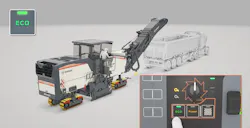
Wirtgen Group enhances fuel efficiency in road construction through smart automation, digitalization, and alternative drive systems. Its approach targets reduced fuel consumption and CO₂ emissions using technologies such as Mill Assist, EcoPlus, and E-Drive concepts. Wirtgen’s F Series milling machines improve efficiency with Mill Assist, which automatically determines the optimal balance between performance, fuel use, and tool wear. In Eco mode, engine and drum speeds are lowered to reduce diesel consumption and noise. Vögele’s EcoPlus system uses an energy-optimized tamper drive, switchable transfer gearbox, and demand-based fan control to minimize fuel use and emissions. Kleemann’s electric-over-hydraulic and E-Drive systems further boost efficiency by reducing reliance on diesel power. With the option to run on external electricity, these solutions lower fuel costs, emissions, and overall environmental impact while maintaining productivity. Together, these technologies reflect Wirtgen Group’s commitment to resource-conservation. For more info, visit Wirtgen’s website.
Xtellio telematics platform
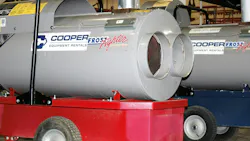
Companies can better manage their fleet’s fuel efficiency by using connected telematics. Today's modern technology enables the ability to see what equipment is doing, where it is, and what it needs. Xtellio’s Pro Xentral devices can be paired with its Xense portfolio of Bluetooth sensors to build visibility across mixed fleets, including heavy equipment, smaller machines, and other assets. Their wired devices, smaller than smartphones and only an inch thick, capture operating information such as ignition status, run hours, daily activity, and location. Wireless fuel-level sensors provide real-time readings, helping teams plan refills based on genuine need. Together, these insights can reveal avoidable runtime, improve equipment allocation, reduce service trips, and prevent machines from sitting idly. Better fuel-level visibility helps to streamline delivery routes and lowers the risk of emergency refueling. For more info, visit Xtellio’s website.
Maybe just go electric: Skyjack’s battery-powered scissor lifts
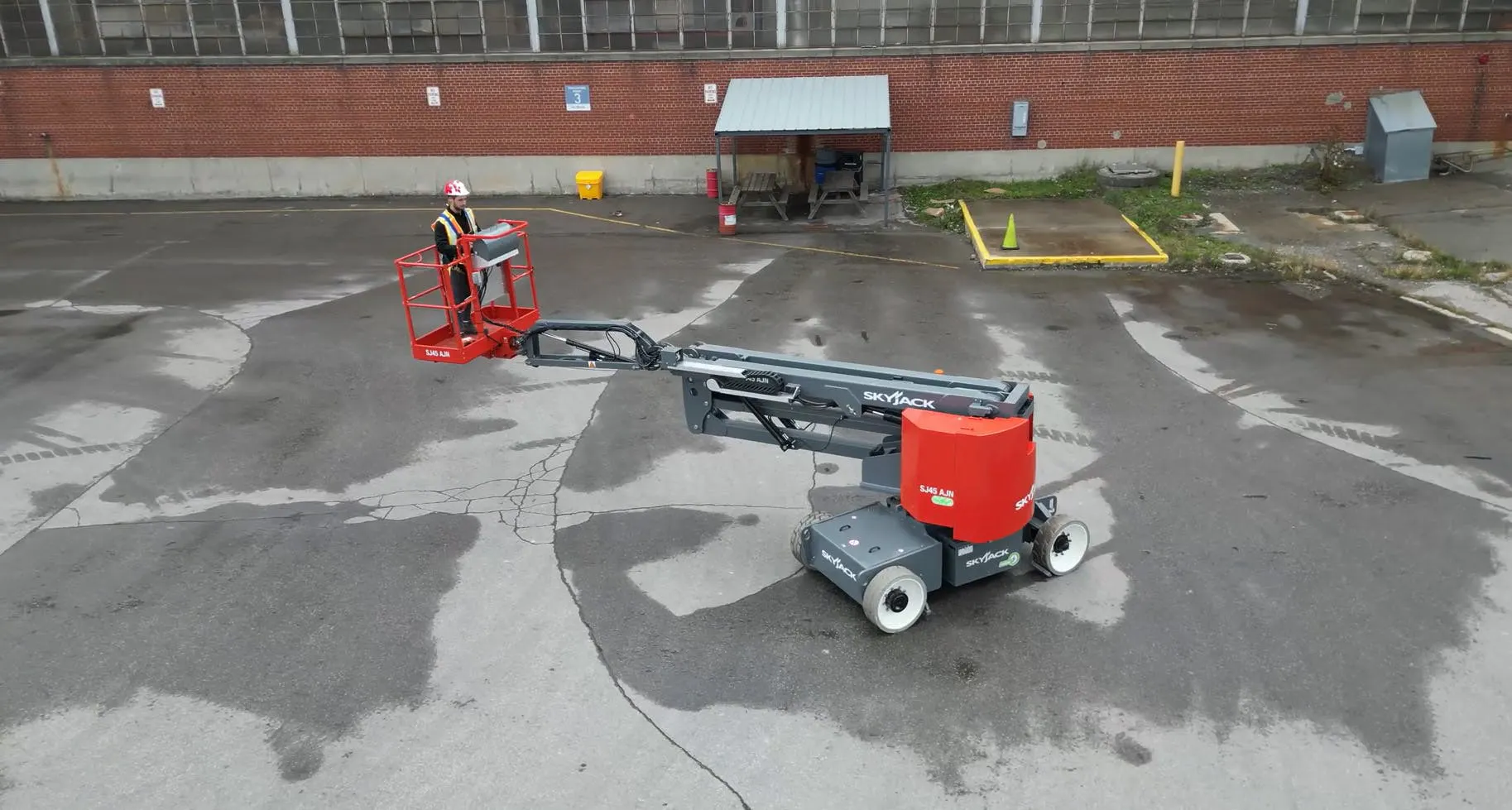
Skyjack’s electric machines are easily rented to support the diverse environmental needs of the construction, manufacturing, technology, and energy sectors that are leaning on and producing green technology. The popularity of Skyjack’s machines continues to climb as more organizations are reaching for quiet, compact, and maneuverable access equipment with zero emissions. Skyjack’s new SJ3232 E electric drive scissor lift features a narrow width, machine length of only 91.6 inches, 550-pound capacity, and low machine weight of just 5,850 pounds. Meanwhile, the new SJ5545 E scissor features a platform height of 45 feet, a load capacity of 770 pounds, and fully welded cross-bracing that improves operator comfort at height. Rental companies and contractors can also rely on the zero-emission productivity of the new SJ45 AJE+ and SJ60 AJE+ battery-electric rough terrain articulating booms and the onsite maneuverability of the compact SJ45 AJN and SJ45 ARJN battery-electric slab booms. For more info, visit Skyjack’s website.
About the Author
Keith Gribbins
Keith Gribbins is the head of content at Construction Equipment, where he leads editorial strategy across print, digital, video, and social channels. An award-winning journalist with more than 20 years of experience, Keith has won 17 national and regional editorial awards and is known for his hands-on reporting style, regularly visiting manufacturers, operating equipment, and covering major industry events worldwide.