Summer Survival Guide for Construction Equipment

Key takeaways:
- Summer heat accelerates wear. Cooling systems, filters, lubricants, hydraulics, and DEF all require extra attention to prevent heat-related failures.
- Daily inspections pay off. Cleaning radiators, checking fluid levels, monitoring filters, and inspecting wear components can prevent costly downtime.
- Proactive maintenance improves uptime. Fleets that combine preventive maintenance, machine data, and operator training are better prepared for summer—and the seasons that follow.
Summer is construction season. It’s also breakdown season. The heat cooks pretty much everything. The dryness causes dust, and dust clogs filters. Radiators fill with jobsite debris, while mud melds into the tracks. Operators and machines also work longer shifts. It’s a great time of year to get things done in a short amount of time, but it’s also the time of year when maintenance oversights can become even more costly.
Luckly, a lot of summer equipment failures are preventable, or at least foreseeable. A little extra attention to cooling systems, filters, fluids, and wear parts from June through August can save you a lot of sweating later.
We surveyed experts from across the industry — from excavator and compaction specialists to cooling-system experts and connected-fleet providers. Below they share their best advice for keeping heavy equipment productive through the hottest months of the year. Their recommendations cover everything from radiator cleaning to DEF storage. So, grab a grease gun, blow out that cooler, and let's get your fleet ready for the dog days of summer.
Sidenote: While we're here yakking, let me draw your attention to our recent Summer Lubrication Guide. It explains how fleets can optimize lubrication schedules and fluid choices to keep equipment running reliably in extreme heat.
Overall maintenance tips to keep your fleet running through the summer
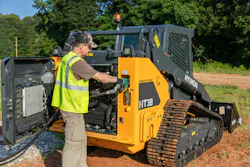
These next two sections were written by Frank Fiebach, service trainer, HD Construction Equipment Hyundai North America.
Summer maintenance is influenced as much by geography as it is by seasonal weather variations. If you operate in a northern climate, the winter months provide an opportunity to get caught up on fleet maintenance and prepare your equipment for the busier warm weather months. But if you’re based in a warmer climate, keeping up the pace all year long puts a non-stop focus on equipment service needs, whether routine or emergency.
Granted, many equipment fleets in cold climates see duty in snow-removal and material-handling applications, but in general there’s time available for service and repairs during the off season. During the busier months of spring through fall, concentrate on routine maintenance, scheduled repairs, and reliance on diagnostic systems to keep equipment working productively and efficiently.
Whether your fleet runs in a northern or southern climate, it’s important to maintain your equipment’s antifreeze throughout the year. Despite the name, antifreeze provides protection in cold and warm weather, and it keeps the water pump lubricated. In winter, antifreeze prevents the fluid in your radiator and engine block from freezing and expanding, which might otherwise crack metal parts and destroy the engine. In summer, a standard 50/50 mix of antifreeze and water raises the boiling point of the water to 265°F or higher without turning to steam.
Summer maintenance issues are similar for all mobile equipment categories. Regardless of the type or size of mobile equipment in your fleet, summer maintenance considerations are quite similar across the board.
Hot weather maintenance musts
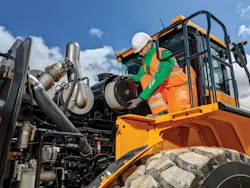
- Make sure your radiator is clean during hot weather — blow it out more often in dusty conditions.
- During the hot weather, air filters need more frequent inspections, cleaning, and, if necessary, replacement.
- Cabs are pressurized to keep dust out, so maintenance of the cabin air filter is very important to prevent dirt/dust from contaminating the electronic systems inside the cab.
- Tire inspection should be done daily to look for cracks. Check air pressure and inspect rims for damage and/or rust.
- The operator has a role in routine maintenance — keep an eye on gauges, be sure fluid levels are maintained, and clean the air filter.
- When a machine is working on the job, especially during warm weather, it’s important to keep the engine RPMs high to get the best performance from the emission control system. Tier 5 engines are designed to work best when the engines are operating at high RPMs. Low idle will result in more frequent regens and will cause premature failure to the aftertreatment system.
- Some summer maintenance is application-dependent. Fox example, in extremely dusty environments like quarries, you have to clean the air filter daily. In general construction, you can sometimes go for a couple of weeks without cleaning the air filter.
Best practices for operating excavators during the summer
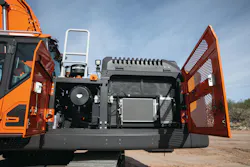
This section was written by Brian Kim, heavy excavator product manager, Develon.
- Maintain the cooling system: Inspect the excavator radiators for debris and monitor coolant levels. Check hoses and belts for wear to prevent leaks, and immediately shut down the machine for at least 30 to 60 minutes if it begins to overheat.
- Minimize dust levels: Jobsite dust clogs air filtration systems, severely reducing engine performance. Clean filters regularly and lubricate moving parts with high-temperature grease to combat friction, corrosion and accelerated wear.
- Check the undercarriage: Adjust track tension to manufacturer specifications and inspect rollers, idlers, sprockets and track shoes. Clear mud and debris daily to prevent abrasive wear and avoid costly undercarriage system failures.
- Inspect the hydraulic system: Check hoses and seals for leaks to maintain proper system pressure and prevent contamination. Monitor fluid temperatures closely; summer heat can lower fluid viscosity, leading to decreased lubrication and accelerated internal wear.
- Examine the electrical system: Extreme heat degrades wiring insulation and accelerates battery drain. Inspect connections for corrosion, check battery fluid levels, and clean terminals with a wire brush or a baking soda and water mixture if necessary.
- Evaluate safety equipment: Ensure that rollover protection structures (ROPS), falling object protective structures (FOPS) and seat belts function properly to maintain a safe environment. Additionally, inspect climate-controlled or air-suspension seats to maximize operator comfort and productivity during grueling summer shifts.
Cooling system maintenance for heavy equipment fleets
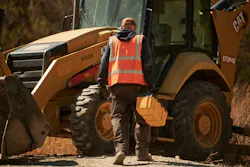
This section was written Joey Pickett, equipment management market professional, Caterpillar.
The cooling system is one of the leading causes of major engine failures -— especially in the summer. When cooling performance suffers, fleets face:
- Head gasket failures
- Cylinder liner scoring and engine damage
- Unplanned downtime
- Expensive repairs
Preventive maintenance is essential to turning condition monitoring insights into real-world uptime. Here are the top three causes of cooling system failures:
- Restricted airflow: Plugged radiators and coolers reduce heat rejection and force engines to operate at higher temperatures.
- Poor coolant condition: Loss of coolant additives can lead to corrosion, scale buildup, and overheating.
- Undetected leaks or worn components: Hoses, radiator caps, pumps, and other components degrade over time and can fail without warning.
Best practices for summer cooling maintenance
1. Keep cooling cores clean
- Clean radiators, aftercoolers, and oil coolers regularly.
- Increase cleaning frequency in high-dust environments such as quarries and landfills.
- Blow debris out from the fan side outward.
Contamination control is a fundamental maintenance principle.
2. Maintain proper coolant chemistry
- Use OEM-approved coolant.
- Maintain the proper coolant mixture, typically 50/50.
- Never mix coolant types.
Correct coolant chemistry helps prevent corrosion and maintains cooling efficiency.
3. Monitor coolant with fluid analysis. Track:
- Additive levels
- Contamination
- Early signs of component failure
Routine coolant analysis can identify problems before they become major repairs.
4. Ensure system integrity. Inspect:
- Hoses, clamps, and fittings
- Radiator caps, which are critical for maintaining system pressure
- Water pumps and thermostats
Repair small issues before they escalate into costly failures.
5. Follow preventive maintenance intervals. Perform:
- Regular coolant sampling
- Scheduled coolant flushes and replacements
- Routine inspections based on OEM recommendations
Preventive maintenance improves uptime and reduces failure events.
Cooling systems require extra attention in:
- High-dust applications such as landfills and quarries
- High ambient temperatures
- Slow-speed, high-load operations
These environments often require more frequent cleaning and inspections.
Business impact
Proactive cooling system maintenance delivers:
- Reduced engine failures
- Lower total cost of ownership
- Increased machine availability
- Fewer emergency repairs
Compaction equipment summer maintenance

This section was written by Mike Conley, director of sales and distribution development, Ammann.
Ammann offers a variety of compaction products that excel on multiple material types — including soil and aggregates, roller compacted concrete, and asphalt mix. Higher ambient temperatures in the summer impact the performance of all heavy machines, including compactors. This dictates that maintenance routines be adjusted. First, be sure that all oils and lubricants — engine oil, hydraulic oil, and grease — are rated for the local temperatures. Air filters and cooling systems should be cleaned and inspected as summer heat often leads to a drier (and dustier) environment. Tires and batteries should be inspected when seasons changes. Checks of potential water contamination and condensation should be more frequent as summer temperatures impact humidity, too.
Hotter summer temperatures can affect engine performance, hydraulics, lubrication, and even air filters. More daylight hours also mean longer shifts and increased use of equipment. Therefore, air filters must be cleaned or replaced; radiators and coolers must be cleaned; and all fluids (coolant, hydraulic oil, and engine oil) should meet specifications for higher temperatures. Technicians should also monitor batteries, the fuel system (check for water contamination), and air pressure in tires. A little extra effort on the maintenance front can increase machine availability — and save money.
Summer maintenance priorities for mills, pavers, rollers, and crushers

These next two sections were written by Wirtgen Group.
Summer heat can push equipment to its limits, making proactive maintenance essential across your fleet. When it comes to Wirtgen Group equipment, crews should be monitoring the following for optimal operation and longevity of the machines:
For mills, regularly inspect cutting tools and toolholders — heat and abrasive materials accelerate wear, impacting milling performance. Keep water spray systems clean and fully functional to control dust and cool components.
With pavers, check conveyors, augers, and screeds daily. Clean and fog all critical areas especially the end gates and hydraulic tunnels with appropriate cleaning solutions and grease according to manufacturer’s specification. Proper lubrication on a paver is a healthy paver.
For rollers, monitor drum surfaces, vibration systems, and water spray components. Clean all water system filters, tanks, and nozzles to ensure proper water spray coverage, preventing asphalt buildup on the drums. In addition, inspect the scraper system and replace and worn or damaged scrapers, as the scrapers help to evenly distribute the water across the drum, reducing water usage.
On crushers, focus on wear parts, belts, and cooling systems. Remove dust buildup and clean air filters to ensure proper airflow to avoid overheating especially when it comes to asphalt recycling applications.
Maximizing uptime in high-temperature conditions
Summer brings longer days and higher productivity on jobsites — but also increases strain on road construction and minerals processing equipment. The combination of heat, dust, and extended operating hours can accelerate wear if machines aren’t managed properly. A proactive approach to maintenance and operation can help protect performance and avoid costly downtime.
Key factors come into play when properly managing equipment over the summer. It is critical that crews adhere to optimized service intervals for efficient operation. First off is monitoring cooling systems and temperature gauges. Keep radiators, coolers, and airflow baths clean and unobstructed avoiding any buildup. Elevated temperatures can thin oils and reduce their protective properties. In addition, operator habits play a significant role in protecting their equipment from summer heat. Avoiding excessive idling, allow proper warm-up and cool-down periods, and run equipment within recommended limits to significantly extend component life.
Finally, prioritize daily walkaround inspections and post shift cleanup. Spotting early signs of wear, leaks, or debris buildup allows small issues to be corrected before they become major failures. A consistent, proactive approach helps maintain productivity, control operating costs, and keep equipment performing reliably — even in the toughest summer conditions.
How to avoid summer DEF headaches
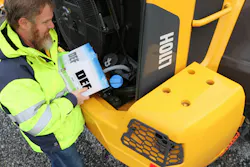
This next section was written by Adam Sieg, head of quality experience, Volvo Construction Equipment.
Diesel exhaust fluid (DEF) is sensitive to the environment, and summer’s combination of direct sunlight and high heat can quickly lead to fluid degradation and uptime issues. Managing your DEF supply is just as important as managing your fuel during the busy season.
The heat factor: DEF has a defined shelf life that shortens significantly when temperatures consistently stay above 86°F. When possible, store DEF in a cool, shaded area or a temperature-controlled environment. If you use a mobile service truck, try to keep the DEF tank out of direct sunlight. Fluid that’s been cooked in the sun can lose its effectiveness, leading to sensor errors and engine derates that stall production.
Dust and contamination: Summer is synonymous with dust, which is the primary enemy of a SCR system. Even a tiny amount of dirt or dust entering the DEF tank during a fill can clog injectors or damage the pump. Always wipe down the nozzle and the area around the tank fill cap before opening it. If you use containers to refill, make sure they’re dedicated solely to DEF — even a trace amount of oil, fuel, or coolant can contaminate an entire tank.
Maintaining the seal: Because DEF is roughly two-thirds water, evaporation can occur in high heat, causing the urea to crystallize. Keeping the tank cap tight and the seals in good condition prevents evaporation and keeps the chemical concentration at the required level for the machine to run at full power.
Embrace data and preventive maintenance strategies for summer maintenance

These next two sections were written by Wade Jones, senior director of operations, JLG.
Equipment downtime can lead to lost productivity, project delays and increased costs, making proactive maintenance essential. The most effective maintenance programs combine both predictive and preventive strategies. Predictive maintenance uses real-time equipment data and condition-monitoring technologies to identify potential issues before they result in downtime, allowing technicians to address problems proactively and optimize parts inventory. Preventive maintenance complements this approach through scheduled inspections, cleaning, repairs, and calibration activities performed at established intervals based on manufacturer recommendations and best practices. Together, these strategies help reduce unexpected breakdowns, improve operational efficiency, extend equipment lifespan, and support safer operation. To maximize results, companies should invest in technologies that provide equipment data, develop comprehensive maintenance schedules, train personnel, maintain detailed service records, and remain flexible as equipment needs evolve. A balanced approach leveraging both methods helps keep equipment running efficiently while minimizing costly disruptions.
Five steps to build a more effective maintenance program
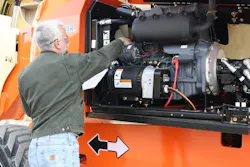
A strong maintenance program is about more than responding to issues as they arise. The most successful equipment owners take a proactive approach that combines technology, planning, and consistent execution.
1. Use equipment data to your advantage: Modern equipment can provide valuable insights into machine health and performance. Access to real-time data can help maintenance teams identify trends, prioritize service need, and address potential issues before they impact operations.
2. Create consistent maintenance routines: Routine inspections and scheduled service activities remain a critical part of equipment care. Establishing clear daily, weekly, monthly, and annual maintenance procedures helps ensure that important tasks are not overlooked.
3. Train technicians and operators: Maintenance teams need the skills to interpret machine data and perform scheduled service activities effectively. Operators also play an important role, as they are often the first to notice changes in machine performance or operating conditions.
4. Keep detailed service records: Accurate maintenance records provide valuable insight into equipment history, recurring issues, and long-term performance trends. These records can help organizations make more informed service and replacement decisions.
5. Continuously evaluate and adjust: No maintenance program should remain static. As equipment ages, operating conditions change, or new technologies become available, maintenance strategies should be reviewed and refined to ensure they continue meeting operational needs.
By combining technology, routine maintenance practices, and ongoing evaluation, companies can create a maintenance program that supports equipment reliability, operational efficiency, and long-term fleet performance.
Prepare for winter before temperatures drop
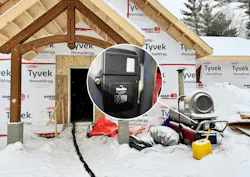
This section was written by Tom Valbak, CEO, Xtellio.
The best winter maintenance strategy starts well before the first snow falls. Fleets that use summer to inspect, document, repair, and prepare seasonal assets are better positioned to keep jobsites running when temperatures drop.
Assessment: Start with a review of utilization patterns. Which machines or support assets sat idle during the summer months? Which units will be needed as temperatures drop? Equipment that has been stored or lightly used should be inspected before demand increases. Batteries, fuel systems, filters, hoses, electrical connections, and safety components should all be checked prior to colder conditions setting in to expose vulnerabilities.
Review records: It's also a great time to review maintenance records and identify issues. Address root causes of repeated maintenance history now rather than postponing the work for a seasonal repair.
Training: Train your operators and technicians on cold-weather startup, shutdown, and storage procedures.
Visibility: Confirm where equipment is located, whether it has been sitting idle, how much it has been used, and whether any issues were reported. Use those details to prioritize inspections and avoid treating every asset the same simply because the calendar says it is due.
Preventive maintenance: Reduce unnecessary service calls and improve uptime when the weather changes quickly. This is most effective when it combines hands-on inspection with accurate telematics data.
About the Author
Keith Gribbins
Keith Gribbins is the head of content at Construction Equipment, where he leads editorial strategy across print, digital, video, and social channels. An award-winning journalist with more than 20 years of experience, Keith has won 17 national and regional editorial awards and is known for his hands-on reporting style, regularly visiting manufacturers, operating equipment, and covering major industry events worldwide.