How to Add Hydraulic Tool Capability to a Wheel Loader
Savvy managers look to attachments both to get jobs done and to increase machine utilization, but not every machine out of the factory has the necessary hydraulics.
Wheel loaders increasingly run machine-powered hydraulic attachments that reach well beyond the standard bucket, from grapples and brooms to snow blowers, mowers, and hydraulic hammers.
Visit the weird and wild side of construction attachments
Most of these tools need a dedicated hydraulic circuit, often called a third function or third spool, to supply the extra hydraulic power they require. Not every machine leaves the factory equipped for this, which leaves buyers deciding how to add the capability.
There are generally three paths: order the function factory-installed, buy an OEM field kit later, or install an aftermarket kit. Each can work, and the right choice depends on the machine’s age, the job timeline, and how the tool will be used.
A few points are worth weighing:
Start with availability. Factory options can carry long lead times, and for older machines the parts may be limited or discontinued. If a job is starting soon, or the machine is no longer in current production, an aftermarket kit is often the faster route to getting the unit working.
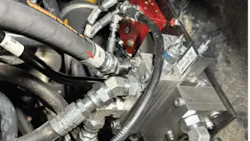
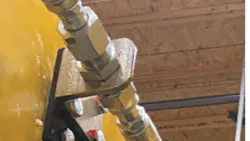
Ask how the system installs. Some kits replicate the factory design, which means removing and opening the machine’s main control valve to add a section. That is labor-intensive and introduces risk. An external valve that bolts on reduces both.
Look closely at the controls. A well-designed system ties into the machine's existing joystick and electronics without throwing error codes, so the tool operates like a factory-equipped machine.
13 questions compact wheel loader buyers should ask
Simpler diverter systems reroute an existing circuit, such as the bucket, to feed the tool. They make the operator switch back and forth, can be unreliable in harsh jobsite conditions, and often leave the locked-out circuit with no relief protection.
Without relief, the idle circuit is exposed: run the bucket into an immovable object and the pressure can blow the cylinder seals.
That's unnecessary downtime.
Finally, look past the purchase price to installation time and long-term parts support. With skilled technicians still scarce, a faster, well-supported install can deliver more value than the lowest sticker alone.
Robert Burnett is VP and COO of HKX, Inc.
About the Author
 Frank Raczon
Frank Raczon
Frank Raczon has covered and influenced the equipment industry for 35 years, including 15 years as senior editor of Construction Equipment, and marketing, advertising, and public relations work with the industry's top manufacturers. In addition to authoring "Caterpillar: Modern Earthmoving Marvels" (Motorbooks, 2015), he has won numerous awards in his career, highlighted by nods from the Construction Writers Association, the Association of Equipment Manufacturers, the Business Marketing Association, and BtoB magazine. Raczon has also won a number of awards from publishing peer groups such as ASBPE and TABPI.