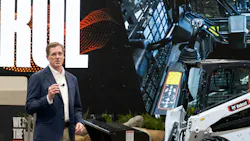
How Operator-First Design is Reshaping Equipment Development
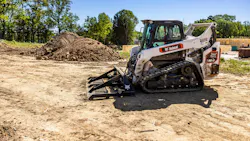
In compact construction equipment, some of the most meaningful innovations today are not always reflected in horsepower ratings, lift capacities or digging depths. Those specifications remain important, but they tell only part of the story.
Increasingly, equipment evolution is being shaped by how effectively operators can access, configure and apply machine capability in real-world jobsite conditions. As contractors navigate workforce changes, tighter project schedules and increasingly diverse applications, manufacturers are placing greater emphasis on strengthening the relationship between the operator, the machine and the work being performed.
The shift reflects a broader change in how performance is evaluated. Competitive advantage is increasingly defined not only by what a machine can do, but by how effectively operators can tailor its performance to the task at hand.
Across the industry, this evolution is influencing everything from machine controls and attachment integration to jobsite awareness technologies and operator interfaces. While approaches differ by manufacturer, the underlying objective is similar: helping operators make better use of machine performance across changing applications and jobsite conditions.
The evolution of operator-centered development
For decades, innovation in compact equipment focused on expanding machine capability. Greater hydraulic performance, increased lifting capacity, enhanced attachment options and broader machine versatility allowed loaders and excavators to take on more applications than ever before.
Today, manufacturers continue to pursue these advancements but also recognize machine performance is only as valuable as an operator's ability to access and apply it effectively.
This shift is being driven in part by changing workforce dynamics. Fleets often include operators with different experience levels, while machines are expected to transition between multiple attachments, applications and jobsites. In many cases, productivity depends on how quickly operators can establish familiarity with equipment operation and adapt to changing tasks.
Manufacturers are also evaluating how controls, hydraulic response, display information and attachment functionality work together in real operating conditions.
For contractors and fleet managers, the focus is on helping operators get more from their machines. Equipment that allows operators to configure performance for specific applications can often deliver greater value than capability alone.
Bobcat's "Classic" and "Pro" CTLs and skids explained
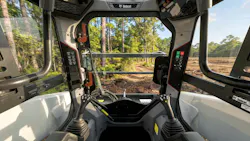
One of the most significant priorities for operator-focused equipment development is controllability.
Whether grading, excavating, loading materials or operating specialized attachments, operators are continuously translating machine capability into measurable production. The effectiveness of that process often depends on how predictably the machine responds to operator input.
Manufacturers are introducing selectable work modes, adjustable control sensitivity, customizable operating preferences and integrated attachment controls. These features allow operators to tailor machine response to specific applications rather than relying on a one-size-fits-all operating experience.
Logical control placement, predictable joystick response, integrated attachment functionality and clearly organized display information all contribute to machine controllability. While these advancements may not always receive the same attention as horsepower or breakout force, they can significantly influence how effectively operators engage with machine performance throughout the workday.
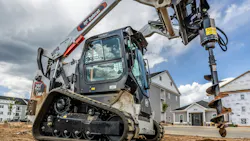
The value becomes especially apparent in attachment-intensive work. Operators may manage machine movement, hydraulic performance, attachment functionality and the surrounding jobsite activity simultaneously. Features that reduce adjustments between applications streamline workflow and improve operating efficiency.
For fleet owners, familiar operating logic across models can support smoother transitions between machines and applications while accommodating a more diverse workforce.
Expanding jobsite awareness
As operators of compact equipment continue operating in dynamic environments, jobsite awareness has become an increasingly important area of equipment development.
A machine working in an open field presents different awareness demands than one operating near utilities, structures, traffic or multiple crews. Whether working in congested urban spaces, around active crews and pedestrians, or on infrastructure and site-development projects, operators must continuously monitor machine activity, attachment actions and changing work-zone conditions.
As a result, manufacturers are examining how machine size, attachment sightlines, display integration and operator interfaces contribute to stronger jobsite awareness. Advancements have included integrated camera systems, consolidated machine information displays and other technologies designed to provide operators with greater awareness of machine surroundings and work-zone activity.
These technologies are intended to support operator awareness and decision-making, not replace operator training, jobsite procedures or operator judgment.
For veteran operators, improved jobsite awareness can help streamline workflow by reducing the need to shift attention between multiple information sources while performing a task. For fleet owners, it represents another example of how machine design is evolving to better support real-world operating demands.
Designing for a changing workforce
Another major driver behind operator-focused development is the changing makeup of the construction workforce.
Today's fleets are asked to support a broader range of operators and applications. The same machine may be used by highly experienced operators, newer crew members or personnel who encounter that platform only periodically.
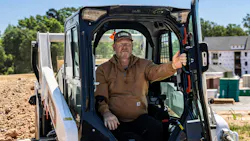
To support this reality, manufacturers are incorporating operator feedback throughout product development. These evaluations often include operators with varying levels of machine familiarity to better understand how controls, machine response and application workflows are experienced in the field.
Those insights frequently influence decisions related to control design, machine configuration, attachment integration and operator workflows. While these changes may seem incremental, they can influence how efficiently operators become familiar with machine operation and transition into productive work.
For fleet owners, this is where operator-first design connects directly to equipment utilization, workforce flexibility and training considerations.
Equipment that can be efficiently deployed across all skill levels of operators and applications help maximize the value of both labor and equipment investments.
Beyond the spec sheet
The evolution of compact loaders and excavators is no longer defined solely by traditional performance metrics. Today, innovation is being measured by how effectively operators can access, configure and apply machine performance across a variety of applications.
Today’s meaningful advancements in compact equipment help operators get more from their machines, improving the work they do. Whether through improved controllability, greater jobsite awareness, integrated attachment functionality or more adaptable operating experiences, these developments help operators make better use of their machine throughout the workday.
Scott Johnson is senior director of product — construction products for Bobcat.