Video: Ditch Witch’s Orange Intel Shows Where Fleet Telematics Is Headed Next
Telematics isn’t just tracking machines these days. These systems are running jobsites. The latest platforms act like command centers, gathering data from every corner of an operation. A great example of this is Ditch Witch’s Orange Intel. We recently took a close look at the system — and how it’s helping underground contractors connect machines, workflows, and reporting into one place. At the Ditch Witch Conexpo booth, we caught up with Cory Maker to walk us through Orange Intel — the company’s telematics and fleet management platform. The video is embedded above. Watch it.
Telematics becomes the jobsite control center
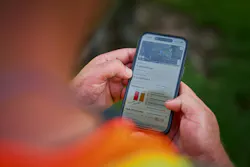
Telematics in 2026 looks different than it did five years ago. We used to track hours, location, and maybe fault codes. That was enough. Now we need more. Today’s platforms have evolved into business centers. These systems connect machines, operational data, jobsite specs, and reporting into one system. Orange Intel fits right into that trend. It pulls data from drills, locating equipment, fluid systems, and mapping tools into a single interface. That sounds just about perfect for niche underground contractors running directional drills and navigating complex utility jobs and regulatory compliance. These crews generate massive amounts of data too. I maybe hadn't realized that before. And increasingly, that data can determine how they get paid.
Data is becoming the product
Here’s the bigger shift. Construction companies are starting to treat jobsite data as an asset. On complex underground jobs, drill data can include thousands of data points per bore. That data now feeds reports, validates work, and even influences pricing decisions, according to Maker in the video above. In some cases, that data has value beyond the job itself. According to Maker, utilities and project owners want accurate digital records, and they're willing to pay for them.
What Orange Intel actually does
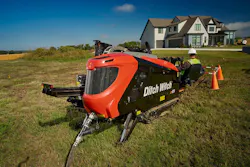
Orange Intel started as a service tool. It has grown into something bigger. At its core, the platform connects the full job lifecycle:
- Pre-inspection and planning
- Analyze machine data like thrust, torque, rotation force, and more
- Security features like live GPS and geofencing
- Automated service alerts and monitoring
- Track and export regulatory standards reporting
- Collect and share post-job reporting
- Access your dashboards from virtually any device
- Track diesel and DEF tank levels
- Access fault codes, engine load, hydraulic pressure, and other machine-specific data.
- Find and analyze historical data logging and reports
- Check out more features here
Watch the walkthrough
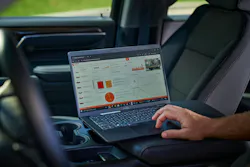
We covered a lot here, but the video shows it better. Maker walks through how Orange Intel works, how the dashboards look, and how contractors are using it today. He also explains how the platform evolved from basic telematics into a full digital ecosystem. If you manage underground equipment, this is worth your time. Watch the full video above. Then, maybe head over to our YouTube channel and subscribe. We’ve got lots more videos you’re going to want to see.
About the Author
Keith Gribbins
Keith Gribbins is the head of content at Construction Equipment, where he leads editorial strategy across print, digital, video, and social channels. An award-winning journalist with more than 20 years of experience, Keith has won 17 national and regional editorial awards and is known for his hands-on reporting style, regularly visiting manufacturers, operating equipment, and covering major industry events worldwide.