Why Fleet Maintenance Tech Must Start with People
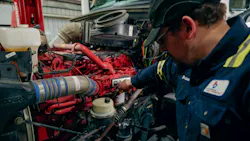
While fleet maintenance can break down because fleets lack the proper maintenance and management solutions, a primary (but often overlooked) reason it breaks down is because the people responsible for keeping assets safe and operational are buried in reactive work, chasing information across disconnected systems and navigating tools that create more complexity than clarity. According to a 2026 fleet benchmark report, the optimal scheduled service percentage for fleets is 70 percent, but respondents reported an average of only 53.7% of service as scheduled.
For all the innovation in fleet technology, one truth remains constant, which is that maintenance is a human operation. Technicians diagnose issues while managers prioritize repairs, drivers report problems, and leaders balance cost with uptime and safety. When technology fails to support those people in practical, intuitive ways, even the most advanced features and technologies fall short. A people-first approach to fleet maintenance technology is becoming increasingly essential.
Maintenance is not a back-office function
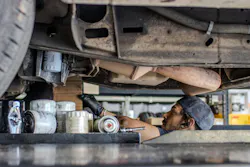
When maintenance is treated as an afterthought or an add-on to a broader fleet solution, the entire operation can feel the strain, with small issues escalating into breakdowns and preventive maintenance (PM) getting delayed. Costs can also become unpredictable as teams are forced into firefighting mode. Maintenance is not just another module; rather, it’s the operational backbone of any fleet, and without a strong maintenance foundation, uptime suffers, compliance risks grow, and budgets spiral. That’s why fleets can benefit from a single platform to run on rather than a patchwork of spreadsheets and disconnected workflows.
“With a big fleet, $50 add-ons from shops pile up,” explains Keith Eddings, Fleet Manager, 3S Services. “[Our fleet maintenance provider’s] Maintenance Shop Network makes it easy for me to catch those little costs so they don’t turn into something much larger.” When maintenance lives inside a unified system, it becomes proactive rather than reactive. Teams can see what’s coming due, what’s overdue, and what’s impacting performance before it turns into a costly disruption. Technology should reinforce the critical role maintenance plays, not relegate it to a secondary function. “Why make more work for yourself? If you already have a system that tracks everything automatically at the touch of a button, why add hours to your workday?” says Eddings.
Visibility without action isn’t enough
Many tools can surface data, lighting up dashboards with alerts, reports, and charts, but insight alone doesn’t keep assets on the road. The real question isn’t whether you can see the data, but whether you can act on it.
Fleets need to know what needs fixing, where to look, who’s responsible, when service is complete, and what it costs, which is easier and less time-consuming when the data is all in one platform. When that information is scattered across systems, emails, and text threads, maintenance execution slows down, work orders stall, accountability blurs, and costs become difficult to track in real time. “I process 20–25k line items a week and [our maintenance solution’s] Maintenance Shop Network makes it simple to review,” Eddings says regarding the ability to integrate third-party service into his fleet maintenance and management solution. “I can reject unnecessary work, hold shops accountable, and see our full service history in one click.”
A people-first maintenance platform displays information while also connecting the dots between issues and action. It ties inspections directly to work orders and links parts, labor, and vendor activity to cost tracking. It gives managers confidence that when something is flagged, there is a clear path from identification to resolution. Data should empower people to move quickly and decisively, not force them to become data analysts just to understand what’s happening.
Silos slow teams down and cost more than you think
Fleet maintenance rarely fails in one dramatic moment. Instead, it fails quietly, in the gaps between teams. A driver reports an issue, but the note never makes it into a formal work order. A technician completes a repair, but the update isn’t visible to management. A vendor invoice arrives weeks later, disconnected from the original job. Conversations happen in side channels, separate from the system of record. If everything lives in silos and side conversations, nothing gets done efficiently, and the business suffers.
Running your fleet in one place keeps teams aligned. Drivers, technicians, maintenance managers, and finance leaders operate from the same source of truth, so decisions move faster because everyone sees the same information. Accountability becomes clear because ownership is defined within the workflow itself.
When alignment improves, so does performance. This means an increase in uptime, a decrease in administrative overhead, and leaders gaining confidence in the numbers they’re using to make strategic decisions. The technology doesn’t replace people, but strengthens their coordination.
Maintenance systems must adapt as fleets evolve
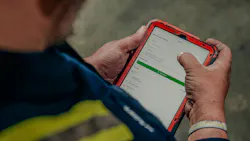
The fleet industry is constantly changing as regulations shift, asset mixes expand to include electric vehicles, supply chains fluctuate, and business models evolve and scale. Still, many fleet systems weren’t built to evolve accordingly. Even small changes can create operational friction, forcing teams to build workarounds or revert to manual processes.
A people-first approach means choosing a system that meets you where you are today while adapting to where you’re going tomorrow. Maintenance workflows should be configurable without becoming fragile. Reporting should adjust as KPIs change, and the platform should evolve as events change, rather than locking fleets into rigid processes that no longer fit reality. When technology flexes with the business, teams remain confident instead of overwhelmed, and they can focus on improving performance rather than managing software limitations.
“Technology doesn’t fix fleet maintenance problems. It’s the people who do,” says Laura Jarmon, Manager, Onboarding Services at Fleetio. “This perspective is so important because we see every day how disconnected systems, reactive workflows, siloed communication, and missed maintenance slow teams down and create unnecessary costs. When maintenance tools aren’t built with the end user in mind, even the best data becomes difficult to act on. Intuitive technologies that empower technicians, managers, and drivers are what actually drive performance. A people-first platform ensures that information flows seamlessly, decisions happen faster, and preventive maintenance stays on track. That directly impacts uptime and cost control.”
Maintenance at the core
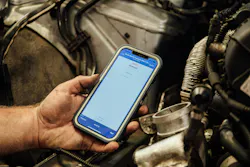
While technology doesn’t fix maintenance problems, it is a helpful tool for fleets. At least, it is when it meets the fleet’s needs. Some fleet technologies treat maintenance as an add-on, something layered onto fleet software rather than built as a core function. This is usually because the solution was built to solve a different problem. However, this can create ripple effects that undermine the entire operation, as it can result in disconnected workflows, limited functionality, and poor visibility into service activity.
This fragmentation makes it harder to track schedules, costs, asset status, and asset health in real time, pushing teams into reactive mode where small, preventable issues escalate into costly breakdowns. PM gets delayed, compliance risks increase, warranties are overlooked, and budgets become unpredictable as emergency repairs take priority. Without maintenance deeply embedded in the platform, accountability becomes unclear and execution slows. Because maintenance very heavily impacts uptime and total cost of ownership, when it’s treated as secondary, the entire business feels the strain. And when the fleet solution being used doesn’t address the fleet’s actual needs, employees from management to drivers and technicians often become frustrated, and the solution goes unused, tanking the potential ROI leadership may have been hoping to see.
Supporting people first drives measurable results
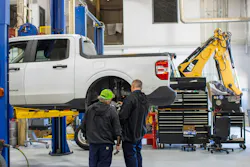
When maintenance teams feel supported, outcomes follow naturally. With clear visibility and connected workflows, PM is completed on time. With centralized cost tracking, budget overruns are identified early. With defined ownership, work doesn’t slip through the cracks. With trusted data, leaders can make informed decisions about asset lifecycle, replacement, and vendor strategy. The improvements in uptime, cost control, and operational performance aren’t accidental; rather, they are the result of giving people the tools they need to do their jobs effectively.
Technology should reduce friction and remove guesswork. It should build trust in the data and in the process. Fleet maintenance technology succeeds when it simplifies complexity, aligns teams, and turns insight into action because, at the end of the day, fleets don’t run on software alone; they run on people.
Rachael Plant is a senior content marketing specialist for Fleetio, a fleet maintenance and optimization platform that helps organizations run, repair, and optimize their fleet operations.