The Hidden Costs of Paper Records for Construction Fleets

Key takeaways:
- Paper creates costly bottlenecks. Manual data entry, version-control issues, and misplaced documents can slow decisions and increase errors.
- Digital documentation delivers visibility. Electronic tickets, on-board weighing, and connected workflows give fleet managers instant access to accurate operational data.
- Going paperless doesn't have to happen overnight. Many fleets start by digitizing a single workflow, then expand as teams become comfortable with new tools and processes.
If you’ve been in the construction or mining industry for any length of time, you’re familiar with the mountain of paperwork that follows every project. From initial bids and contracts to material orders and equipment logs, the traditional way of doing business has relied heavily on physical binders and overflowing filing cabinets. But as projects get more complex and margins get tighter, those stacks of paper are becoming more of a liability than an asset.
Modernizing your recordkeeping is a practical way to protect your business and streamline your day. Whether you’re managing a building project where schedules shift daily or a 24/7 mining operation where every second of downtime is a massive expense, moving toward a paperless site can simplify the chaos.
Paper creates unnecessary roadblocks

The established method of using paper has worked for generations, but it comes with built-in frustrations. One of the biggest issues is version control. It’s hard to be certain everyone is working off the latest report or plan when information is moving at the speed of a human hand. If a change order is sitting on a clipboard at the site instead of being in the office, decisions are delayed, and rework becomes a real risk.
Manual data entry also leaves too much room for error. Transcribing handwritten notes from paper forms into a spreadsheet is a tedious process that often leads to mistakes in everything from payroll to material reconciliation. For a quarry manager focusing on tons-per-year productivity, those small data errors can cloud the reality of their site’s actual performance.
Digital tools provide instant site insights

Moving to digital documentation directly solves these common frustrations. Instead of sifting through boxes to check a detail from a project two years ago, you have a searchable, organized record available in seconds. It’s about getting data to flow seamlessly from the field to the office so you can make smarter decisions based on real-time insights rather than after-the-fact guesswork.
In digging and loading applications, for instance, digitalization can completely transform the loading process. Rather than relying on handwritten load tickets that are easily lost or misread, site solutions can send work orders and tickets automatically from the machine cab to the site office. This transition to digital receipts cuts down on physical paper while minimizing communication errors between the cab and the office, giving you a real-time overview of your entire operation.
For a quarry or mining operation, this level of precision is where profit is made or lost. When you use systems like on-board weighing or digital mapping, you’re no longer guessing whether you’ve hit your tons-per-hour target. You have a digital receipt of every bucket and every cycle. This level of digital transparency ensures that your site is running as lean as possible, which is critical in an industry characterized by low margins and high unpredictability.
These tools also help foster a better partnership between you and your equipment dealer. When data is transparent, your dealer can take a consultative approach, helping you analyze your site setup and identifying bottlenecks that a paper log would never show. It turns your equipment provider from a simple supplier into a partner who’s just as invested in your volume commitments as you are.
Better records lead to better business

The administrative benefits of going paperless extend far beyond just tidier desks. For many contractors, the primary goal is consistent profitability and growth. Digital documentation helps achieve this by allowing them to:
- Simplify compliance: In highly regulated industries, having safety and compliance data instantly available is essential.
- Improve accuracy: Standardized digital forms ensure that field crews capture the same data points every time, making it easier for managers to combine and analyze that information.
- Speed up workflows: Whether it’s for a time card or an inspection report, digital submission allows stakeholders to be notified instantly so the workflow remains uninterrupted.
- Enhance partnerships: When project data is transparent and accessible, it’s easier to collaborate with your dealer or OEM to identify potential issues before they lead to downtime.
Implementation doesn’t have to be overwhelming
You don’t have to digitize every machine at once to start seeing the benefits of these tools. Many fleet managers start small: digitizing one specific workflow like daily reports or safety checklists. As the team gets comfortable, you can expand your use of digital information to reimagine other business processes.
For equipment decision-makers, the shift is often about finding a trusted partner to help navigate the change. Whether you’re a building contractor juggling multiple sites or a rental company focused on time utilization, the transition comes with an investment — but it’s one that pays off. As an example, for a rental operation, digital documentation makes it much easier to track machine condition before and after a job. This ensures that any poor treatment by renters is documented instantly and accurately, protecting the fleet’s value and reducing disputes over damage. Ultimately, moving away from paper provides the predictability you need to keep jobs on time and on budget, even when conditions change.
Every minute saved is revenue earned
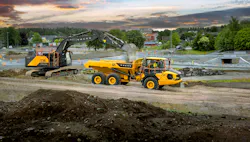
While there are many moving parts to a successful project, few things impact your bottom line more than uptime and productivity. Every second a technician spends searching for a manual or an office manager spends chasing a missing ticket is money lost. By embracing digital documentation, you move beyond just getting rid of paper and start building a more resilient, adaptable, and profitable operation.
Rethinking your site’s documentation is the first step toward a more streamlined future. When your data is digital, searchable, and accurate, you have the strategic advantage you need to stay ahead of your competitors.
Jenny Olsen is a product manager of connected services at Volvo Construction Equipment.