Old Photos: 100 Years of Work Trucks from Omaha Standard to the Palfinger PAL Pro
Key Highlights
- Omaha Standard turns 100. The Council Bluffs operation traces its truck-body roots to 1926 and became part of Palfinger in 2008.
- PAL Pro carries the legacy forward. Today’s crane-ready mechanics bodies turn Class 3 through Class 7 trucks into mobile repair shops.
- Thanks to Palfinger for opening the archives. These vintage photos offer a rare look at Omaha Standard’s century of work trucks, manufacturing, and innovation.
They don’t make Omaha Standard equipment anymore. Well, not exactly. Omaha Standard was a work truck body manufacturer that started in 1926 but was acquired by Palfinger in 2008. Over the following decade, Palfinger phased out the Omaha Standard product brand, moving its core products under the Palfinger umbrella. Yet Omaha Standard LLC still exists as the name of the Palfinger manufacturing operation in Council Bluffs, Iowa, and the brand’s DNA is still very much present in the products coming out of that facility, which just recently celebrated 100 years.
“This milestone belongs to the generations of employees whose skill, dedication, and knowledge built the foundation of this operation, and to the customers and partners who have trusted that work for decades,” said Ismael Daneluz, president of Palfinger North America, in the press release. “Their pride and commitment continue to shape every PAL Pro mechanics truck we produce today. As we celebrate the past 100 years, we are equally focused on helping customers meet the challenges of the next century.”
Palfinger celebrated the Omaha Standard connection October 2 at its Council Bluffs facility with a centennial event. PAL Pro is the modern evolution of Omaha Standard’s mechanics-truck business. After Palfinger acquired Omaha Standard in 2008, the Council Bluffs operation developed the PAL Pro line of crane-ready mechanics bodies. Today, the brand carries that Omaha Standard heritage.
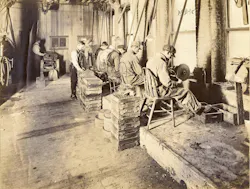
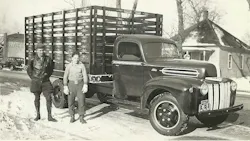
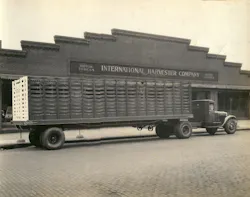
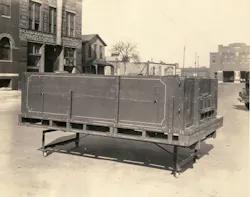
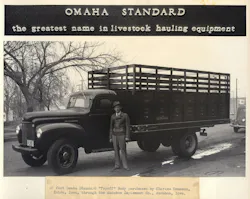
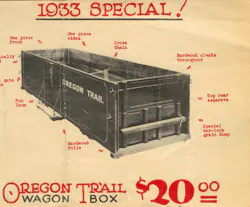
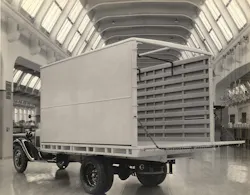
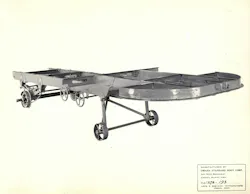
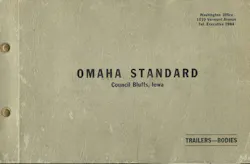
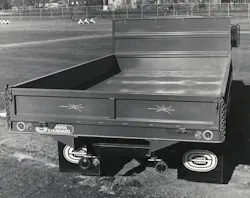
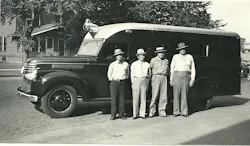
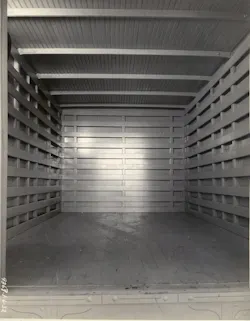
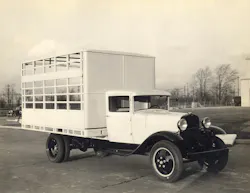
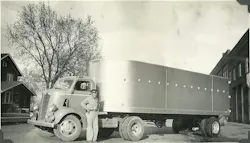
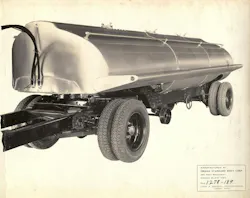
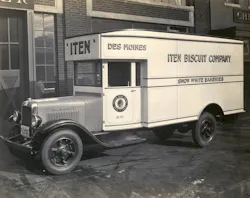
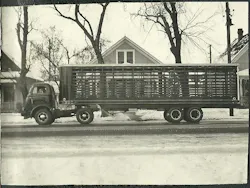
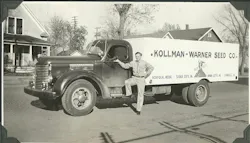
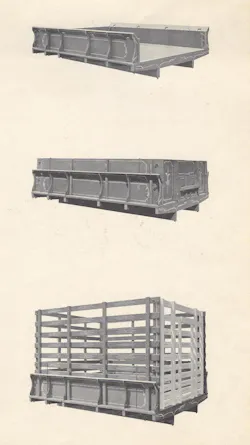
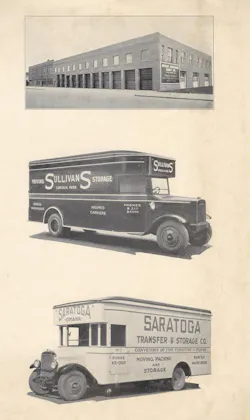
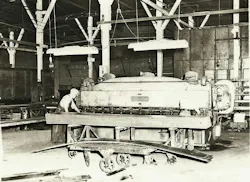
So that makes the photo slideshow above a rare treat. We don’t often get a chance to dig through a century of work-truck history from a brand that has disappeared. These vintage Omaha Standard photos capture the trucks, bodies, and equipment that helped build the company’s reputation long before the PAL Pro logo appeared. Scroll through the gallery, and then continue below for more on the company’s 100-year journey.
A century of work in Council Bluffs
Held in conjunction with National Manufacturing Day, Palfinger’s October 2 centennial celebration brought together employees, retirees, and community members from Council Bluffs. If you don’t know, the city sits directly across the Missouri River from Omaha, Nebraska. The event included a commemorative tree planting at the Council Bluffs facility. While the anniversary follows Omaha Standard’s founding in 1926, Palfinger’s own history began just six years later, when Richard Palfinger established a workshop in Austria. His early business covered agricultural trailers, tippers, and vehicle bodies.
Palfinger acquired Omaha Standard in 2008, adding American truck-body and pickup liftgate expertise to its business. The Council Bluffs facility has been a staple in the community for generations. During the celebration, Palfinger even honored Denny Nelson, a subassembly lead, who just celebrated his 51st work anniversary with the company. Together with his father, brothers, and son, the Nelson family has 169 years of combined service. It sounds like that family has earned its own parking spot.
What are PAL Pro trucks like today?
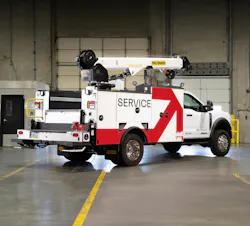
If you’re not familiar, PAL Pro is Palfinger’s line of crane-ready service truck bodies. PAL Pro bodies can be installed on Class 3 through Class 7 commercial trucks. These are basically mobile repair shops — trucks upfitted with cranes, compressors, gen sets, toolboxes, welders, lubrication systems, and ever onward. Check these trucks out.
Palfinger had a big presence at Conexpo. For example, the company showcased its PAL Pro 43 with new lightweight, 52-inch aluminum sidepacks. The 43 is made for heavy lifting, accommodating 8,000-pound service cranes with a rated lifting moment of 43,000 foot-pounds. At Conexpo, Palfinger paired the body with a PSC 8029 service crane. I could see field technicians using the PAL Pro 43 and PSC 8029 combo to remove hydraulic cylinders, final drives, or other heavy components from construction equipment. Palfinger also displayed a steel-bodied Pal Pro 72 with a PSC 12529 crane at Conexpo. The PAL Pro 72 steps up the muscle considerably, accommodating service cranes rated up to 12,500 pounds with a 72,000-foot-pound rated lifting moment. That makes it a fit for bigger field repairs while working far from home.
In my mind, one of the PAL Pro’s biggest differentiators is Palfinger’s broad portfolio of truck-mounted equipment and its ability to engineer the mechanics body and service crane as an integrated system. Palfinger has a long history of growing through acquisition (brands like Tiffin Loader Crane to MBB Liftsystems), buying established manufacturers of truck bodies, cranes, and other truck-mounted equipment. Beyond Iowa, Palfinger’s North American lineup includes a lot of different product categories, including knuckle boom cranes, truck-mounted forklifts, bucket trucks, hooklifts, and timber and refuse loaders. That’s a much bigger equipment portfolio than Omaha Standard could have imagined when it started building truck bodies in 1926.
More importantly for PAL Pro customers, Palfinger can pull from that expertise to engineer the truck body and crane to work together as one system. That integration is a big part of what separates today’s PAL Pro from a truck body with a crane simply bolted onto it.