Energy Transition: Cummins Bets on Multiple Fuels to Power Future Construction Equipment
The future of clean construction equipment power is still evolving. Alternative propulsion for machines like excavators and dozers, which have utilized diesel engines for about 100 years, has centered around a variety of technologies — electric, hydrogen, HVO, even gasoline. At Conexpo 2026, plenty of booths pushed battery-electric machines and zero-emissions jobsites. But if you want to understand the real energy transition happening in construction, I say take a long look at Cummins. The company arrived in Las Vegas with a message. The future of equipment power will not come from one solution.
“This industry is hard to decarbonize — but we’re not waiting for perfect conditions. We’re acting now,” said Marina Savelli, vice president of Cummins’ global off-highway engine business, during the company’s Conexpo press conference. “We continue to advance clean, efficient diesel, meeting global NOx and greenhouse gas standards, while supporting biofuels and HVO as practical pathways to lower emissions today. At the same time, we’re investing in alternative fuel technologies so customers can reduce emissions further when — and where — it makes sense for their business. Sustainability at Cummins isn’t a single bet. It’s a balanced, pragmatic strategy grounded in customer and market realities.”
What is Destination Zero?

Cummins’ Destination Zero is a corporate strategy aimed at achieving net-zero emissions by 2050. It has a lot of different facets. Destination Zero focuses on reducing greenhouse gas (GHG) and air quality impacts by advancing decarbonized technologies — such as battery-electric, hydrogen fuel cells, and hydrogen engines — while simultaneously improving the efficiency of existing, cleaner internal combustion engines. It also promotes the growth of various alt fuel economies by promoting the improvement of things like hydrogen infrastructure and grid resiliency. The result aims to be a roadmap for fleets and OEMs who will eventually be navigating a serious power transition. In the end, contractors will still need reliable energy, long runtimes, and equipment that works in every environment.
“We all know the environment around us is changing quickly,” said Jen Rumsey, chair and CEO at Cummins. “We are in the midst of an energy transition that is more dynamic, uncertain, and divergent than many of us expected … Destination Zero is our commitment not only to helping customers navigate the energy transition, but to sustainability and making a positive difference along the way. In the near and medium term, that means pursuing many paths forward — delivering the right solution, at the right time, based on the needs of the market and our customers.”
Cummins X15 diesel exemplifies its energy diversity
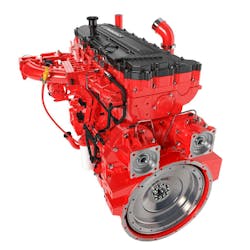
Many people assume diesel engines have reached their peak. Cummins would argue differently. The company continues to squeeze major efficiency and emissions gains from internal combustion engines. The improvements over the last two decades are significant.
“Since my first Conexpo 20 years ago, we have reduced particulate matter and NOx emissions in our off-highway engines by approximately 90 percent,” said Rumsey. “To put that into perspective, 15 20- to 40-ton excavators with today’s engines emit what one excavator did in 2005.”
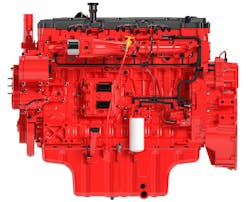
Diesels are cleaner today, but they are also more versatile. Cummins highlighted its next-generation X15 off-highway engine at Conexpo. The engine represents the company’s newest evolution of heavy-equipment diesel tech. The X15 off-highway engine highlights a range of alternative fuel options, including HVO biofuels and hydrogren capabilities. Cummins also noted its Connected Solutions will be featured on the X15, offering remote monitoring, diagnostics, and over-the-air updates. Cummins Guidanz (a suite of digital service tools designed to speed up engine diagnostics) will provide diagnostics and service management. The X15 is a part of Cummins HELM (Higher Efficiency, Lower emissions, and Multiple fuels) platforms, which are a series of 7L to 15L engine platforms (B, X10, and X15) designed to be fuel-agnostic.
The HELM approach offers several advantages:
- OEMs can design equipment around a single engine platform
- Future fuel options may require fewer machine redesigns
- Fleets gain flexibility as fuel availability changes
- Manufacturers reduce engineering complexity across product lines
The rise of HVO and hydrogen
One of the fastest ways to lower emissions from heavy equipment does not require new machines. It requires new fuel. Hydrotreated vegetable oil, or HVO, continues to gain slow traction across the industry. HVO functions as a renewable diesel fuel that can run in many modern diesel engines with little or no modification. There are some things to think about when using HVO (like gelling in the cold) but honestly not too many.
Cummins also continues exploring hydrogen combustion engines and hydrogen fuel technologies, which I personally think is one of the most practical and exciting power technologies emerging — especially for larger construction machinery where battery packs become too heavy and cost prohibitive. Hydrogen combustion engines operate similarly to traditional internal combustion systems but burn hydrogen instead of diesel, emitting only water vapor and maybe a little NOx. Hydrogen combustion engines deliver familiar power characteristics and duty cycles while reducing carbon emissions dramatically.
The real transition

The construction industry will not flip a switch from diesel to electric to hydrogen overnight. Instead, several technologies will evolve at the same time. Electric machines will probably expand in compact segments and indoor applications. Renewable fuels will reduce emissions from existing fleets. Hydrogen may power future heavy equipment. Diesel engines will continue improving along the way.
“Practically, that means continuing to strengthen our core power solutions,” said Rumsey. “Advancing clean, efficient internal combustion engines and supporting lower carbon fuels where they make sense — while also progressing low- and zero-emissions solutions when and where markets are ready. And that approach is already delivering results. Across this industry, we’ve seen major emissions reductions without sacrificing performance, alongside meaningful fuel efficiency gains that lower operating costs and improve uptime.”
About the Author
Keith Gribbins
Keith Gribbins is the head of content at Construction Equipment, where he leads editorial strategy across print, digital, video, and social channels. An award-winning journalist with more than 20 years of experience, Keith has won 17 national and regional editorial awards and is known for his hands-on reporting style, regularly visiting manufacturers, operating equipment, and covering major industry events worldwide.