September Fleet Reset: 8 Construction Equipment Maintenance Tips
Key Highlights
- Fluid condition matters as much as fluid level. Inspect oils for discoloration and contamination, and use fluid analysis to identify problems.
- Excessive idling can waste fuel, add unnecessary hours, and increase soot accumulation in diesel particulate filters.
- Don't by lazy. 🦥 We’ve got six more low-cost maintenance tips. Don't settle for these AI-style summaries. Go enjoy the magic below.
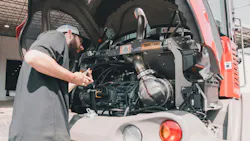
I just finished up writing some excellent equipment winterization articles. I’m excited to post them, but alas, it’s a little too warm to be thinking about subzero temps. Patience. To hold us over a few weeks, I created something fun in between. For my cold-weather maintenance features, I interviewed JLG, Volvo Construction Equipment, GOMACO, and Takeuchi, and we talked about all types of wrenching. So, I took a few pieces and parts of those interviews and created these eight September maintenance tips. Because September can be a bit of a strange month. Hot days, but cool mornings and evenings. Lots of rain and mud. Plus, the crew’s pace tends to quicken with winter on the horizon.
So, consider this a quick early-fall fleet reset — eight practical, relatively inexpensive maintenance moves that can catch small problems before they become big problems. Let’s call them September’s Great 8.
1. Inspect fluid condition, not just fluid levels

Checking fluid levels remains a daily walkaround requirement, but a full reservoir doesn’t always mean healthy fluid. Fleet managers should embrace oil analysis to find problems that visual inspections cannot. Fluid sampling can establish trends across a long period of time.
“Take samples of hydraulic reservoirs to test for contamination and preventive maintenance checks,” says Rod Schneider, director of training at GOMACO Corp.
And while you're at it...
“Check all fluid levels, inspect the hydraulic oil for discoloration or contamination, and drain water from the fuel/water separator,” suggests Joseph Huling, national service and training manager at Takeuchi-US. “Using the correct fluids for the expected operating conditions is also critical. Ensuring the engine oil viscosity, coolant mixture, and diesel fuel are appropriate for whatever weather operation helps protect key components and allows the machine to perform reliably in challenging conditions.”
2. Find moisture before it finds the electrical system
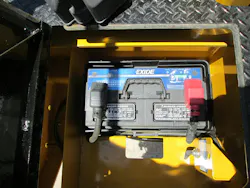
Moisture is out to get you and your machine. Rusty components. Frozen fuel lines. Faulty electrical wiring. Damn you, moisture.
“Electrical systems and batteries deserve attention,” says David Lombardo, chief engineer at JLG. “Battery connections should be secure, tight, and corrosion-free, and exposed electrical components and cannon plugs should be checked for moisture. Where appropriate, dielectric grease can be applied to help seal out moisture and prevent corrosion.”
Lombardo also recommends inspecting components operators touch every day.
“Operators should inspect toggle switches and joysticks at both the platform and ground controls for damaged protective boots,” he says. “Water entering a switch can freeze and potentially make the machine inoperative.”
3. Treat cleanliness like it’s preventive maintenance

Pro tip: A clean machine makes it easier to inspect and maintain. “Maintaining a clean machine without excessive concrete buildup will reduce wear and tear on major machine components,” Schneider confirms. That advice is especially important for concrete pavers and curb-and-gutter machines. For construction equipment:
“Cleaning the undercarriage after each use is one of the simplest and most effective ways to reduce unnecessary wear and prevent downtime,” Huling says.
4. Protect hydraulic cylinder rods
Hydraulic cylinder rods live a hard life. Dirt, moisture, concrete splatter, road salt, and jobsite debris collect on exposed chrome.
“Operators should also clean exposed cylinder rods before parking the machine, since frozen debris can damage cylinder wiper seals when the machine is put back into service,” Huling says. The risk extends beyond freezing weather. Machines stored outdoors can develop corrosion and pitting on exposed rods during any extended period of inactivity.
“Retract hydraulic cylinders as much as possible to protect the cylinder rods,” Huling says. “If any rods remain exposed, apply a rust inhibitor or grease.”
5. Stop warming equipment with excessive idling
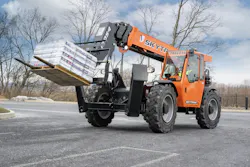
Many operators still believe a diesel engine should idle for 15 or 20 minutes before working, but extended low-idle operation can create other maintenance problems.
“One of the biggest misconceptions I hear in the field is that idling a diesel engine at low RPM for 15 or 20 minutes is the best way to warm it up,” says Garland Morrison, technical service manager at Volvo Construction Equipment. “But that actually does more harm than good.”
According to Morrison: “The right approach is to allow the engine to idle just long enough for oil pressure to stabilize and fluids to circulate, typically three to five minutes, then start working the machine under light load.”
I’ll note here that warmup requirements vary by machine, engine, and ambient temperature.
6. Remember what low idle does to the DPF
Excessive idling doesn’t only waste fuel and add machine hours. It can also increase the soot in a diesel particulate filter.
“Allowing a DPF-equipped machine to idle for extended periods increases the soot load as exhaust particulate matter is captured by the filter,” Huling says. “The filter is doing its job at that point, but the system will not generate enough heat at low RPM and low workloads to burn off the soot that is created during operation. Once the machine has reached operating temperature, operation at high idle will allow the exhaust aftertreatment system to work as designed, helping prevent DPF clogging and frequent regeneration requests due to high soot load.”
7. Don’t start stored equipment without a reason
Should a fleet periodically start equipment that will sit unused for several weeks? Not necessarily.
“Starting a stored machine just to let it idle for a few minutes in cold weather actually causes more harm than good,” Morrison says. “Because short idling prevents the engine from reaching its optimal operating temperature, unburned fuel and moisture condense inside the engine oil and exhaust system rather than burning off. Unless you plan to work the machine under load long enough to reach full operating temperature, it’s best to keep the machine properly winterized and dormant until it’s ready to return to service.”
8. Turn telematics alerts into work orders

Telematics platforms are pretty cool these days. They can provide service reminders, machine-health alerts, fault codes, operating hours, fluid temperatures, battery information, and pretty much everything you need to know.
“In terms of technology, fleet telematics systems like Volvo ActiveCare Direct make the biggest difference in uptime,” says Morrison. “Telematics allows dealers and fleet managers to catch subtle fault codes and machine health alerts proactively, giving technicians a chance to fix potential weather issues before they turn into costly downtime.”
About the Author
Keith Gribbins
Keith Gribbins is the head of content at Construction Equipment, where he leads editorial strategy across print, digital, video, and social channels. An award-winning journalist with more than 20 years of experience, Keith has won 17 national and regional editorial awards and is known for his hands-on reporting style, regularly visiting manufacturers, operating equipment, and covering major industry events worldwide.