Reverse, Replace, or Repair? Learn How Smarter Attachment Wear-Part Decisions Save Money
Key Highlights
- 🔧 Wear parts are sacrificial. Cutting edges, bucket teeth, and skid shoes exist to wear out. Replace or reverse them before wear reaches the attachment itself.
- ⏰ "One more week" can become one big repair bill. Saving an hour of maintenance today can lead to days of downtime tomorrow.
- 🦷 The right wear package wins the job. Tooth bars, cutting edges, and wear materials aren't one-size-fits-all. Match them to the application.
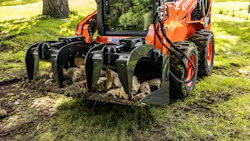
The cutting edge on the loader bucket is getting thin. The replacement is sitting on the shelf. Swapping it out would take an hour, but the machine is scheduled for a site prep job on a commercial construction project tomorrow.
It'll probably make it one more week.
It's a decision fleet and equipment managers make every day. Sometimes, it's the right call. But sometimes it’s better to consider what that extra week costs. Not the cost of a new cutting edge. The cost of waiting. Maybe it allows wear to move beyond the cutting edge and into the bucket itself. What started as a simple maintenance decision can quickly become structural repairs, unplanned downtime and a repair bill that far exceeds the cost of the wear part. Knowing where that line is starts with understanding how parts actually wear.
Recognize the warning signs early
Wear parts are designed to wear out. The challenge isn't preventing wear — it's recognizing when a wear part is no longer protecting the attachment beneath it. Wear patterns are more than maintenance indicators — they're feedback on how an attachment is being used. Fleet managers who learn to read those patterns can often identify small issues before they become expensive repairs.
Take a cutting edge, for example. Even wear across its width usually means it's doing exactly what it should: protecting the bucket from abrasion. Uneven wear deserves a closer look. It may point to operator technique, machine setup or an application that's placing uneven stress on the attachment.
Excessive wear tells a different story. Rounded bucket teeth can reduce penetration, forcing operators to spend more time breaking into hard material while increasing stress on both the attachment and carrier. A cutting edge worn beyond its intended profile may begin exposing the bucket floor to abrasion, while uneven skid shoe wear can signal improper adjustment or operating conditions that deserve further investigation.
These issues rarely appear overnight. They develop gradually, giving fleet managers an opportunity to intervene before a routine wear-part replacement becomes a structural repair. While inspection intervals should always follow the manufacturer's recommendations, many fleets incorporate wear-part inspections into daily walkarounds and take a closer look during scheduled preventive maintenance.
Reverse, replace, or repair?
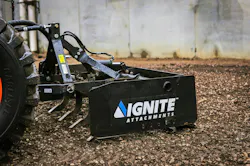
Recognizing wear is only half the equation. What happens next often has a much greater impact on attachment life than the wear itself.
For wear parts with reversible designs, the first option is often the most economical. Double-beveled cutting edges and reversible skid shoes can provide a second service life — but only if they're reversed before excessive wear removes that opportunity. Once reversal is no longer practical, planned replacement becomes the smarter investment, allowing maintenance to happen on the fleet's schedule instead of the attachment's.
Repair should be the last resort, not the strategy.
By the time a bucket floor needs rebuilding or a moldboard requires structural welding, wear has already migrated beyond the component designed to absorb it. What began as a planned wear-part replacement has become a larger repair requiring additional labor, longer downtime, and higher costs. The objective isn't to get every possible hour out of a wear part. It's to replace it before the cost of waiting becomes greater than the cost of replacement.
Match the wear part to the application
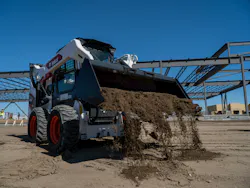
One of the quickest ways to shorten wear-part life is asking it to do a job it wasn't designed for. Fleet managers spend considerable time matching attachments to carriers and applications. Wear parts deserve the same attention. The right selection improves productivity, extends attachment life, and reduces replacement frequency. The wrong one accelerates wear before the work even begins.
Earthmoving applications are a good example. Rock, recycled concrete, and demolition debris place very different demands on cutting edges and wear components than topsoil or general material handling. A wear package that performs well in one environment may wear unnecessarily fast — or simply cost more than necessary — in another. Matching the wear package to the primary application helps balance durability, productivity, and operating cost.
Snow removal highlights just how much wear-part selection can influence performance. Steel cutting edges excel at scraping packed snow and ice, making them a common choice for roads and commercial lots. Polyurethane or UHMW edges sacrifice some scraping aggressiveness but reduce noise and help protect decorative concrete, pavers, and other finished surfaces. Neither is universally better. The right choice depends on what the attachment is expected to protect as much as what it's expected to move.
Like any attachment decision, wear-part selection should be driven by the application. Matching the wear package to the work improves productivity, extends attachment life, and reduces maintenance costs.
Know when tooth bars help — and when they hurt
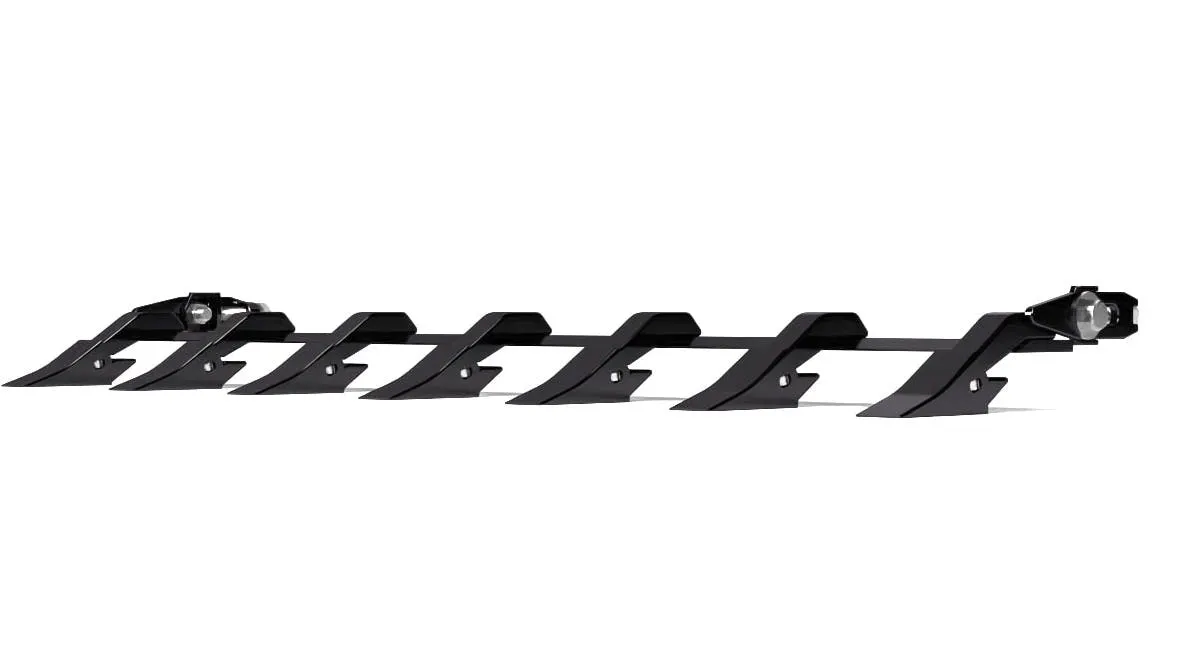
One of the most common mistakes isn't installing tooth bars — it's forgetting to remove them when the job changes. Tooth bars excel in hard-packed soil, clay, rocky ground, and other difficult digging conditions because they concentrate the bucket's breakout force into smaller contact points. That added penetration improves digging efficiency and makes it easier to break into stubborn material.
Once digging gives way to grading, material handling or finish work, those same teeth can become a disadvantage. They leave a rougher finish, make precise grading more difficult and continue wearing while providing little benefit once additional penetration is no longer needed. Keeping tooth bars installed simply because they're already on the bucket can also accelerate wear while reducing efficiency in applications where a smooth cutting edge is the better choice.
The most productive bucket isn't always the one with the most aggressive wear package. It's the one configured for the work being done that day. Treating tooth bars as application-specific tools instead of permanent fixtures improves productivity while reducing unnecessary wear.
Think beyond the purchase price
When evaluating wear parts, it's easy to focus on the purchase price. A better question is what they'll cost over the life of the attachment. Bolt-on wear parts often cost more upfront but simplify maintenance and reduce downtime. Replacing a worn cutting edge typically requires little more than removing the old component and bolting on a new one, making it easier to schedule the work instead of reacting to an unexpected repair.
Weld-on wear parts may make sense for some operations, particularly when fabrication work is already part of normal shop activity. The tradeoff is that replacement typically requires more labor, additional shop time and skilled personnel. What appears less expensive on paper can quickly become the higher-cost option once labor, equipment downtime and scheduling are factored into the equation. Every wear-part decision carries two costs: the price of the part and the cost of putting the machine back to work. For most fleets, the second number is often much larger than the first.
What does one more week really cost?
Which brings us back to the worn cutting edge sitting on the shelf. The cutting edge probably would have made it through one more week. But surviving another job was never the real question. The question was whether it could continue protecting the bucket it was designed to protect.
Do the math.
Replacing the cutting edge might cost $300 and an hour of planned labor. Rebuilding a bucket edge after wear reaches the structure could involve several hours of welding, hundreds of dollars in additional materials and a full day — or more — of downtime. Before long, that decision to save an hour has cost far more than the wear part ever would have. That's the distinction between managing wear parts and managing assets.
Darin Gronwold is a product manager for Ignite Attachments.