Managing Attachment Compatibility Across Mixed Fleets
Key takeaways
1. Physical fit doesn't guarantee compatibility: An attachment may connect to a machine, but hydraulic flow, operating capacity, coupler design, and electrical requirements determine whether it will perform safely and efficiently.
2. Compatibility issues create hidden costs: Mismatched attachments can reduce productivity, increase downtime, accelerate wear, and disrupt schedules across multiple crews and projects.
3. Standardized verification reduces fleet risk: Contractors can improve utilization and avoid jobsite disruptions by establishing approved machine-attachment pairings, using compatibility databases, and verifying specifications before deployment.
Across large construction operations, mixed-brand fleets have become standard operating reality. Contractors routinely combine owned equipment with rented machines, temporary project-specific additions and legacy assets accumulated over years of fleet expansion. While that flexibility improves equipment availability and procurement options, it also introduces new operational challenges around attachment compatibility.
On modern jobsites, attachments are expected to move seamlessly between skid steers, compact track loaders, and excavators from multiple manufacturers. In many cases, they can. Industry standardization around universal quick attach systems has improved significantly over the last decade, making it easier to share buckets, grapples, augers, and other attachments across fleets.
But even with greater standardization, compatibility challenges have not disappeared. And they still create downtime, disrupted workflows, reduced productivity, and accelerated wear on both the attachment and the machine. In large fleet operations where equipment moves frequently between crews and projects, even small mismatches can create costly interruptions.
As fleets continue to diversify, attachment compatibility is becoming less of a purchasing consideration and more of an operational management issue. Contractors that take a more disciplined approach to verification and fleet standardization are often better positioned to reduce disruptions, improve equipment utilization, and keep crews productive across multiple projects.
Understanding where compatibility problems start
Many attachment compatibility issues begin with a simple assumption: If the attachment connects to the machine, it should work properly. In practice, compatibility is far more nuanced. When evaluating attachment compatibility across mixed fleets, fleet managers should pay particular attention to several key areas.
Hydraulic flow and pressure
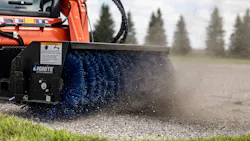
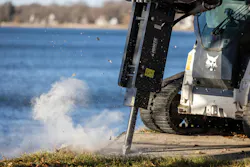
Hydraulic requirements are one of the most common sources of mismatch. Attachments such as cold planers, breakers, brooms and mulchers depend on specific hydraulic flow and pressure ranges to perform as intended. For example, a contractor supplementing a fleet with a rented compact track loader during a large site development project may discover that a high-flow mulcher physically connects to the machine, but reduced cutting performance and slower cycle times can quickly affect production targets onsite. The opposite problem can create issues as well. Pairing smaller attachments with larger, more powerful machines can place unnecessary stress on motors, hoses and structural components if the attachment was not designed for that level of hydraulic output.
Machine operating capacity
Machine operating capacity also plays a significant role. An attachment that is too heavy for the carrier can affect stability, visibility, and lifting performance, particularly when handling material loads. Conversely, pairing lightweight attachments with larger, more powerful machines can place unnecessary stress on the attachment itself if it was not designed for that level of output.
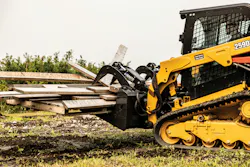
Weight-related compatibility issues are not always obvious during initial setup. An attachment may appear to function normally until material loads are added in the field. A bucket or grapple that performs adequately while empty may significantly affect machine balance, visibility, and lifting performance once handling heavier debris, concrete, or aggregate material. That becomes especially important in demolition, roadbuilding, and heavy material handling applications where attachment weight and payload capacity directly affect machine stability and operator control.
Coupler and interface variability
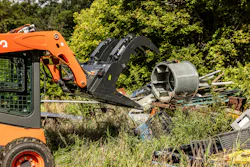
Excavators introduce another layer of complexity. Unlike skid steers and compact track loaders, excavator attachment interfaces remain far less standardized across the industry. Pin diameters, coupler geometry, and hydraulic configurations can vary significantly between manufacturers and machine classes, requiring closer verification before attachments are moved between carriers.
This can become especially challenging in fleets where attachments are routinely shared between multiple excavators across projects. An attachment that works seamlessly on one machine may still require different couplers, adapters, or hydraulic setup changes before it can be deployed efficiently on another carrier.
Electrical requirements
Electrical requirements are becoming more important as well. Attachments using advanced controls, solenoids, or integrated functions may require specific electrical connections that are not available on every machine in the fleet.
For fleet managers, the takeaway is straightforward: Attachment compatibility should be treated as a specification verification process, not a visual inspection. Physical fit may indicate that an attachment can connect to the machine, but it does not confirm that the combination will operate efficiently, safely, or reliably in the field.
Catching compatibility issues before they reach the jobsite is critical to keeping workflows moving since problems rarely stay isolated to one machine or one crew. A delayed breaker, planer, or broom can quickly affect supporting crews, material deliveries, and subsequent phases of work. On projects where attachments move frequently between teams or jobsites, even relatively small compatibility issues can create scheduling problems that extend far beyond the original equipment mismatch.
That’s one reason many contractors are treating attachment compatibility as part of a broader fleet management strategy rather than simply an equipment purchasing concern.
Building internal standards across mixed fleets
For many large construction operations, reducing compatibility issues starts with creating more consistency across the fleet itself. That does not necessarily mean standardizing around a single equipment manufacturer. Mixed fleets are often unavoidable, particularly on large projects that rely on rented equipment, temporary fleet expansion, or machines acquired over time. But contractors can still reduce compatibility-related downtime by establishing internal standards around how attachments are selected, verified, and deployed across the organization.
For some fleets, that starts with approved attachment and carrier combinations. Instead of leaving compatibility decisions to individual crews or project managers in the field, fleet managers can create standardized pairing guidelines based on machine capabilities, hydraulic requirements, and interface configurations.
To help streamline the verification process, many fleet managers are increasingly relying on digital specification databases and compatibility tools before equipment ever reaches the field.
These free, user-friendly digital tools can sort through tens of thousands of machine and attachment data points to help verify compatibility across most major makes and models of skid steer loaders, compact track loaders, compact tractors, and mini excavators. For mixed fleets, these tools can help reduce guesswork by cross-referencing key specifications before equipment is purchased or deployed, helping reduce downtime and speed procurement decisions across multiple projects and machine types.
No mixed fleet will ever be completely uniform. But contractors that build stronger verification processes and internal compatibility standards are often better positioned to reduce downtime, improve equipment utilization, and keep projects moving without unnecessary interruptions.
Keeping mixed fleets moving
Mixed fleets are not going away. As contractors continue balancing owned equipment, rentals, and long-term fleet expansion, attachment compatibility will remain an important part of keeping projects moving efficiently. While interface standardization has improved flexibility across the industry, compatibility still requires more than confirming an attachment will physically connect to the machine. Hydraulic capabilities, operating capacity, coupler configurations, and electrical requirements all play a role in how attachments perform in the field.
For fleet managers, the goal is not simply avoiding incompatibility. It is creating processes that identify potential issues before equipment reaches the jobsite. Contractors that build stronger verification procedures, standardized attachment guidelines, and centralized compatibility processes are often better positioned to reduce downtime, improve equipment utilization, and maintain workflow continuity across multiple projects.
Darin Gronwold is a product manager for Ignite Attachments.