5 Attachment Maintenance Mistakes Every Fleet Should Fix
Key takeaways:
- Most attachment failures are preventable. Consistent greasing, inspections, and wear-part replacement can significantly reduce downtime.
- Hydraulic systems need attention. Regular hose and coupler inspections help catch problems before they become jobsite shutdowns.
- Maintenance culture matters. Standardized procedures and operator accountability can extend attachment life and improve fleet performance.
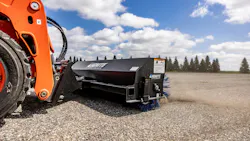
Attachments like buckets and brooms are often the hardest-working tools on a jobsite, and they often receive the least amount of attention. Expected to perform day in and day out, they are frequently overlooked until something goes wrong. That approach can be costly. Today’s attachments are engineered systems with moving parts, hydraulic components, and critical wear surfaces that require consistent care. When maintenance is inconsistent or overlooked, the result is often premature wear, unplanned downtime, and higher replacement costs.
For fleet and equipment managers, the good news is that most of these issues are preventable. With a better understanding of how attachments are designed to operate and a commitment to simple, repeatable maintenance practices, fleets can extend service life and improve overall return on investment. Here are five of the most common attachment maintenance mistakes and how to avoid them.
Mistake #1: Inconsistent or improper greasing
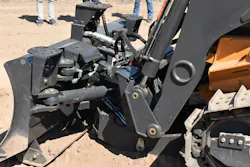
Routine lubrication is widely understood as essential, but in the pace of a busy jobsite, it is also one of the first things to get skipped. The problem is not just whether greasing happens, but how consistently it happens. In many operations, lubrication is handled on a set schedule rather than based on real-world use. Attachments operating in high-cycle or demanding applications may require more frequent attention than a standard interval provides.
A more effective approach is to align greasing practices with application intensity. Attachments used in demolition, land clearing, or heavy material handling should be inspected and lubricated more frequently than those used in lighter-duty work. Equipment design also plays a role. Attachments with easily accessible grease points make it faster and more practical for operators to complete routine maintenance in the field. When service points are difficult to reach, they are more likely to be missed.
Even the most consistent lubrication routine will fall short without a clear understanding of how attachment components are designed to perform and wear over time.
Mistake #2: Misunderstanding pin and component design
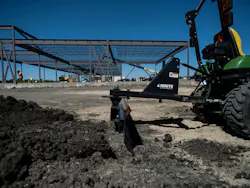
Not all attachment components are designed with the same maintenance expectations, and misunderstanding these differences can lead to avoidable wear. Some attachments feature greasable pins and serviceable joints that are intended to be maintained over time. Others use fixed or non-serviceable hardware that reduces routine maintenance but typically results in a shorter overall service life.
Issues arise when operators assume all pivot points function the same way. A missing grease fitting can be misinterpreted as an indication that maintenance is not required, when it may simply reflect a different design approach. For fleet managers, understanding how attachments are built is critical to developing effective maintenance practices. Standardizing specifications across a fleet, when possible, can help reduce confusion and ensure operators follow the correct procedures for each attachment.
Knowing whether a component is designed to be maintained or replaced allows fleets to make better decisions that impact both performance and long-term cost. When possible, look for attachments that prioritize serviceable components and durable construction to support a longer service life.
Mistake #3: Ignoring hoses and couplers until failure
Hydraulic issues are one of the most common causes of attachment downtime, yet hoses and couplers are often overlooked until a problem forces attention. Daily inspections do not need to be time-consuming, but they do need to be consistent. A quick visual check can identify early signs of wear such as abrasion, cracking, or minor leaks before they turn into job-stopping failures.
Couplers are another frequent trouble spot. Dirt and debris can easily contaminate connections, leading to poor hydraulic performance or damage over time. In fast-paced environments where attachments are swapped frequently, it is easy for this step to be skipped. Maintaining clean connections and inspecting hoses regularly helps prevent avoidable downtime, but design can also make a difference in how easy this process is in the field. Features like flat-face couplers help minimize contamination and simplify cleanup, while full nylon hose sleeves provide an added layer of protection against abrasion and jobsite wear.
Mistake #4: Skipping gearbox maintenance on rotating attachments
Gearboxes are easy to overlook because they are not part of the daily visual workflow, but they play a critical role in the performance of many rotating attachments. Attachments like augers, rotary cutters, and other driven implements rely on properly maintained gearboxes to operate efficiently. When oil levels are not checked or fluids are not changed at recommended intervals, heat and internal wear can build quickly, leading to premature failure.
One of the most common issues is assuming that a sealed gearbox does not require attention. In reality, even sealed systems benefit from periodic inspection to ensure proper lubrication and to catch contamination early. A consistent approach to gearbox maintenance should include checking both oil levels and condition, not just topping off fluids. Discoloration, debris, or changes in consistency can all indicate developing issues that should be addressed before they impact performance.
Following manufacturer guidelines is important, but just like greasing, real-world application should guide how frequently these checks occur. Attachments operating in demanding conditions may require more frequent inspection to maintain performance and extend service life.
Mistake #5: Running wear components too long

Wear components are designed to take the brunt of the workload and protect more expensive structural elements, yet they are often pushed beyond their intended limits. In many operations, wear parts like cutting edges, teeth, and tines are run as long as possible to maximize their use. The challenge is that once those components pass their effective wear point, the damage does not stop there. It begins to impact the surrounding structure, leading to more expensive repairs and increased downtime.
The key is recognizing that wear parts are meant to be replaced before they fail completely. Staying ahead of that curve helps protect the attachment and keeps equipment performing as intended. Attachment design can also influence how easy it is to manage wear over time. Look for wear components that offer extended service life or are designed to simplify replacement in the field. These features can help reduce downtime and make it easier for operators to stay on top of routine maintenance.
Building a maintenance culture across the fleet
Even with the right maintenance practices in place, inconsistency across operators and crews can still lead to avoidable issues. In many fleets, maintenance is left to individual habits rather than standardized processes. One operator may follow best practices closely, while another may skip steps due to time constraints or lack of access to information. Over time, that variability creates uneven wear, inconsistent performance, and more frequent downtime.
Relying on memory alone is often part of the problem. Operators are expected to manage multiple pieces of equipment, each with its own maintenance requirements. Without easy access to the right information, even experienced crews can miss important steps. Standardizing daily routines and making maintenance expectations clear across the fleet helps reduce that variability. Simple checklists, consistent inspection practices, and clear accountability can go a long way in improving overall equipment performance.
Access to information in the field also plays an important role. Some manufacturers now provide digital resources that allow operators to quickly reference maintenance procedures, parts diagrams and troubleshooting steps. QR codes, for example, can connect operators directly to equipment-specific information without the need to track down a manual, helping reduce downtime and keep work moving. Creating a maintenance culture is not about adding complexity. It is about making the right practices easy to follow and repeat, regardless of who is operating the equipment.
Darin Gronwold is the product manager at Ignite Attachments.