Beyond Height: What Really Matters When Renting a Lift
Key takeaways
- Choose the lift for the job, not just the height. Application, obstacles, and working conditions should determine whether you rent a boom lift or scissor lift.
- Don't overlook platform capacity and ground conditions. Weight limits, tire setup, and surface conditions can have a major impact on productivity and safety.
- Modern lifts offer more than reach. Safety systems, onboard diagnostics, telematics, and easy-to-access support tools are becoming essential rental considerations.
For many contractors, renting a lift starts with a simple question: How high do we need to go? That answer still matters, but tighter project schedules, increased safety expectations, and ongoing labor challenges are forcing contractors to think beyond the question — what's the required working height?
Can the machine reach up and over structural steel or utilities? Will the platform capacity handle workers, tools, and materials at the same time? Is the ground condition suitable for the machine’s weight and tire setup? And if multiple operators are using the lift throughout the project, how intuitive are the controls and safety systems?
Those questions have become more important as access equipment continues to evolve. New ANSI standards, advanced safety technology, and onboard diagnostics are changing what contractors should expect from rental equipment. Choosing a lift today is less about simply reaching the work area and more about matching the machine to the application, the jobsite, and the crew using it.
Start with the application, not just the height requirement
One of the most common rental mistakes is selecting a machine based primarily on maximum working height. The application itself should drive the decision.
Match the lift type to the work
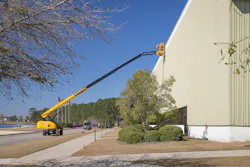
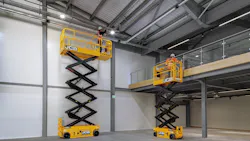
Projects that require operators to work around steel structures, piping, or utilities may benefit more from an articulated boom lift than a telescopic model. While telescopic booms are often preferred for straight reach and maximum horizontal outreach, articulated machines provide the flexibility to reach up and over obstacles that would otherwise limit access. Scissor lifts can also be a better fit for slab applications where crews need more platform space and primarily vertical access, while jobs requiring outreach or more precise positioning may call for a boom lift instead.
Understand working height vs. platform height
There is also more to the height question than simply determining whether the platform can reach the work area. Working height typically includes approximately 6 feet of operator reach above the platform floor. Understanding that distinction can help contractors better match the machine to the application. In some cases, factoring in working height may allow crews to safely complete the work with a smaller lift than originally anticipated. At the same time, operator ergonomics matter. If crews will spend extended periods performing overhead work, moving up to a slightly taller machine may create a safer and more comfortable working position while helping reduce fatigue throughout the shift.
Consider platform capacity early
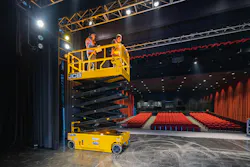
Platform capacity is one of those specifications that often gets overlooked until crews are already trying to fit workers, tools, and materials into the basket. Personnel, materials, and application-specific equipment all contribute to load requirements, and underestimating capacity can create inefficiencies once work begins.
It is also important to understand that capacity ratings can vary significantly between machines that appear similar on paper. Some manufacturers offer certain boom lifts with a standard 1,000-pound platform capacity, while others classify 500 pounds as standard and offer 1,000-pound configurations as extra-capacity models. Contractors should make sure they understand exactly which configuration they are renting before the machine arrives on-site.
In many cases, platform capacity is one area where overspecing can actually improve productivity. Additional capacity can provide more flexibility for tools, materials, and multiple workers while helping crews avoid operational limitations during the project.
Evaluate ground conditions and site access
Ground conditions are another factor that can look manageable during planning but quickly become a problem once equipment arrives on site. Machine weight, ground-bearing pressure, and tire selection can all affect how well a lift performs on a particular jobsite. Soft ground, finished surfaces, and uneven terrain may require different tire configurations or machine sizes than contractors initially expect.
Newer equipment means asking different questions
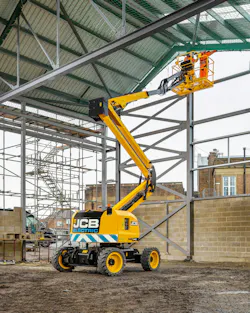
One challenge contractors are navigating today is that newer aerial equipment is being asked to do two things at once: incorporate more advanced safety systems while remaining simple and intuitive for operators in the field. As newer ANSI standards have introduced additional safety requirements for aerial equipment, contractors are seeing more sensors, monitoring systems, and electronic safeguards integrated into rental fleets than ever before.
That includes features like load sensing systems, boom angle monitoring, level sensors, and secondary guarding technologies designed to improve operator awareness and help reduce unsafe operation. As these systems become more common, contractors should understand not only what technology is equipped on the machine, but also how it may affect operation in the field.
At the same time, aerial equipment still needs to do what it has always done well: remain durable, dependable, and easy to use. On many jobsites, lifts are shared across multiple crews throughout the day, which means machines need to be approachable for everyone from a new hire to a seasoned operator stepping into the platform at a moment’s notice.
That balancing act between stricter safety requirements and ease of use is shaping the next generation of aerial equipment. Manufacturers are increasingly focused on incorporating advanced safety technology without adding unnecessary complexity for operators in the field.
One example is onboard-integrated lift calibration systems that simplify machine setup and troubleshooting. Some newer lifts now allow operators to recalibrate platform load systems directly from the basket or machine itself using a known weight as small as 120 pounds rather than requiring a full 1,000 pounds. Features like that can help crews return machines to service faster while reducing unnecessary downtime on the jobsite.
Support and uptime matter more than ever
Keeping a machine easy to operate is only part of the challenge. On today’s jobsites, contractors are under pressure to keep projects moving, minimize downtime and solve problems quickly when they arise.
That reality is changing the way manufacturers approach machine support and serviceability. Many newer lifts now include QR codes positioned both in the platform and at the base of the machine that provide direct access to quick-start guides, operating information, service manuals and troubleshooting resources. Instead of stopping work to track down paperwork or wait for a callback, operators can often access the information they need directly from the machine.
Telematics and remote diagnostics are becoming increasingly important for the same reason. Contractors and rental providers alike want better visibility into machine health, maintenance needs and potential issues before they lead to downtime. In many cases, telematics can help identify service concerns early, improve preventative maintenance scheduling and speed up support response when problems occur in the field.
Support features may not be the first thing contractors ask about during the rental process, but they often become important the moment a project schedule tightens or an issue appears in the field. A lift that is easy to support, troubleshoot and return to service can help contractors avoid unnecessary delays and keep crews productive throughout the project.
The best rental decisions happen before the machine arrives
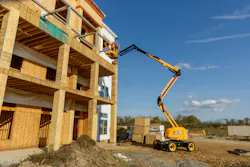
The most successful lift rentals usually come down to preparation. Contractors who take the time to discuss the application in detail with their rental partner are often better positioned to avoid downtime, productivity issues, and unexpected limitations once work begins. Ultimately, a successful rental is not just about the height needed to get to the work area. It is about keeping crews productive, comfortable, and working safely once they’re there.
Connor Stanmore is a product manager for JCB.